
WINZ Benefits Explained: Eligibility & Types
Demystify WINZ payments in NZ! Learn what benefits you can get, eligibility criteria, and types of support from Jobseeker to Accommodation Supplement with this expert guide.
mangerebudgeting.org.nz
What You Will Learn
Demystify WINZ payments in NZ! Learn what benefits you can get, eligibility criteria, and types of support from Jobseeker to Accommodation Supplement with this expert guide.
WINZ Benefits Explained: Eligibility & Types in New Zealand
Navigating the world of government support can feel overwhelming, especially when you’re facing financial challenges. In New Zealand, Work and Income (WINZ) plays a crucial role in providing a safety net for many Kiwis. Whether you’re new to the system or looking to understand what assistance might be available, getting WINZ payments explained clearly is essential. This comprehensive guide, brought to you by Mangere Budgeting, will demystify the various benefits and help you answer the vital question: what benefits can I get NZ?
At Mangere Budgeting, we understand the unique pressures of the Auckland cost of living and are committed to helping you optimise your financial wellbeing, from WINZ advocacy to KiwiSaver. Let’s explore the support available to you.
Table of Contents
- Introduction to WINZ Benefits
- Jobseeker Support & Sole Parent Support
- Supported Living Payment
- Disability Allowance & Child Disability Allowance
- Orphan’s Benefit & Unsupported Child’s Benefit
- Accommodation Supplement & Temporary Additional Support
- Other Specific Benefits and Payments
- How to Check Your Eligibility
- Frequently Asked Questions (FAQ)
- References/Sources
Introduction to WINZ Benefits
Work and Income New Zealand (WINZ), part of the Ministry of Social Development (MSD), is the primary government agency responsible for providing financial assistance and employment support to eligible individuals and families across the country. Their goal is to ensure all New Zealanders have access to basic necessities and opportunities to participate in society.
The types of support offered range from weekly payments for living costs to specific allowances for housing, medical needs, or raising children. Understanding these various provisions is the first step in accessing the help you might be entitled to.
Jobseeker Support & Sole Parent Support
These are two of the most common main benefits provided by WINZ, designed to assist individuals who are looking for work or caring for children alone.
Jobseeker Support
Jobseeker Support provides financial help if you’re actively looking for work, or if you can only work part-time due to a health condition, injury, or disability. Eligibility depends on factors like your income, assets, and living situation. You’re generally expected to be available for and actively seeking suitable employment.
Key Insight: If you’re receiving Jobseeker Support, WINZ also offers assistance with job search skills, CV writing, and connecting with employers. Don’t hesitate to use these valuable resources.
Sole Parent Support
This benefit is for single parents or caregivers with dependent children under 14 years old. It aims to support them while they are raising their children and preparing for future employment. Like Jobseeker Support, income and asset tests apply, and there are expectations around participating in activities that lead to work once your children reach a certain age.
Supported Living Payment
The Supported Living Payment is designed for individuals who have a significant health condition, injury, or disability that severely limits their ability to work on a full-time basis, or for those who are caring full-time for someone with a significant health condition, injury, or disability.
To qualify, you generally need medical evidence confirming your condition or the condition of the person you’re caring for. This payment acknowledges that certain circumstances make regular employment challenging or impossible.
Disability Allowance & Child Disability Allowance
These allowances help cover ongoing costs related to a disability or health condition that are not fully covered by other agencies.
Disability Allowance
The Disability Allowance can help with regular, ongoing costs directly linked to your disability or health condition, such as doctor’s visits, prescriptions, special diets, or transport. It’s not a weekly payment for general living costs but rather a reimbursement or contribution towards specific disability-related expenses. You don’t need to be on another WINZ benefit to qualify, but income and asset tests apply.
Child Disability Allowance
The Child Disability Allowance is a non-income tested payment for parents or guardians who provide constant care and attention for a child (under 16) with a serious disability. It recognises the extra effort and expense involved in caring for a child with special needs, regardless of the family’s income.
Orphan’s Benefit & Unsupported Child’s Benefit
These benefits provide financial support to caregivers raising children who cannot be cared for by their natural parents.
Orphan’s Benefit
The Orphan’s Benefit is paid to a caregiver who is raising a child (under 18) whose parents are deceased, cannot be found, or are in long-term care due to a mental or physical incapacity.
Unsupported Child’s Benefit
The Unsupported Child’s Benefit is for caregivers who are looking after a child (under 18) whose parents can’t provide care for them because of a family breakdown or similar circumstances, but one or both parents are still alive and accessible. Both benefits are subject to income and asset tests for the caregiver and child.
Accommodation Supplement & Temporary Additional Support
With the rising cost of living in New Zealand, especially in Auckland, housing assistance is a critical component of WINZ support.
Accommodation Supplement
The Accommodation Supplement helps people who are not receiving a main benefit but have high accommodation costs (rent, board, or mortgage payments). The amount you receive depends on where you live, your income, assets, and family circumstances. This is a non-taxable payment.
Temporary Additional Support (TAS)
Temporary Additional Support (TAS) is a weekly payment that helps with essential living costs that you can’t meet from your income and assets. It’s usually a short-term payment to help during specific hardship. You must be unable to meet your essential living costs from all other sources, including any main benefit or other supplements.
Other Specific Benefits and Payments
WINZ offers a range of other targeted payments and allowances, which may be available depending on your specific situation:
- Student Allowance/Loan: While primarily managed by StudyLink, WINZ can provide supplementary support in some cases.
- Childcare Assistance: Helps with the cost of pre-school childcare.
- Emergency Benefits: For immediate, urgent needs like food, power, or essential housing costs in an emergency.
- Special Needs Grants: One-off payments for immediate and essential needs (e.g., medical costs, household items) that you cannot afford.
- Winter Energy Payment: An automatic payment for eligible beneficiaries to help with heating costs during winter.
How to Check Your Eligibility: A Step-by-Step Guide
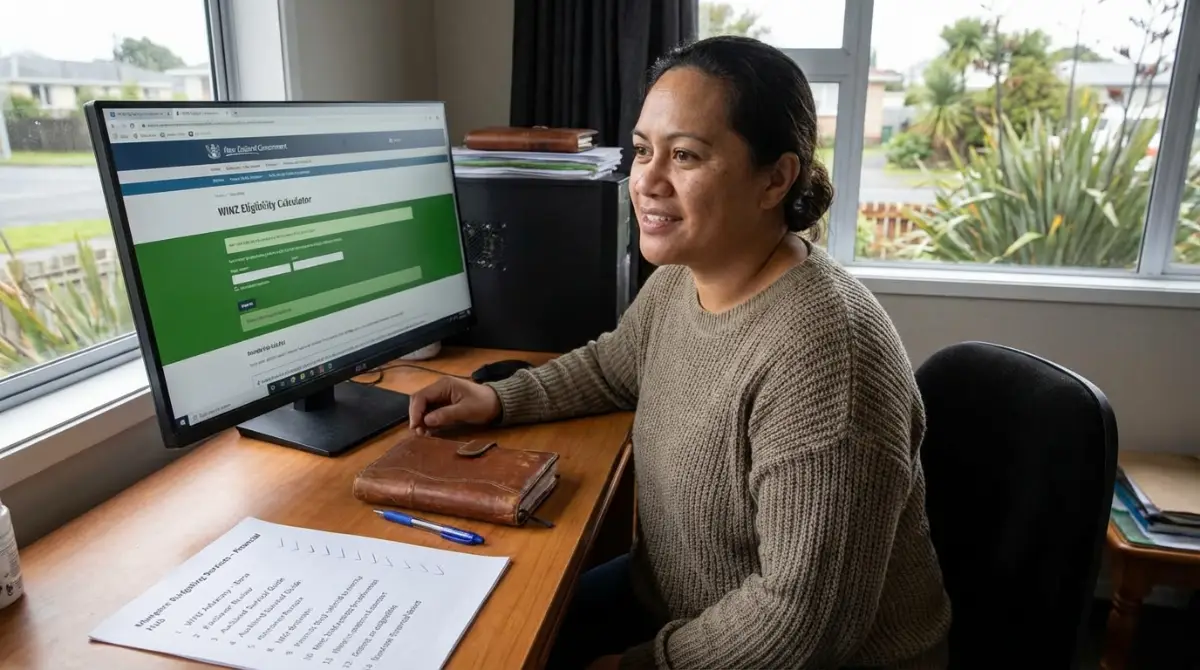
Understanding what benefits can I get NZ requires checking your specific circumstances against WINZ’s criteria. Here’s a practical guide:
Step 1: Use the ‘Check What You Might Get’ Tool Online
WINZ has an excellent online tool on their website (www.workandincome.govt.nz) that allows you to anonymously input your details and see what benefits and assistance you might be eligible for. This is a great starting point and highly recommended.
Step 2: Gather Your Information
Before you apply, or even use the online tool, have the following information ready:
- Proof of Identity: Passport, birth certificate, driver’s license.
- Proof of Address: Utility bill, tenancy agreement.
- Income Details: Pay slips, bank statements, IRD numbers.
- Asset Information: Details of any savings, property, or vehicles.
- Medical Certificates: If applying for health-related benefits.
- Details of Dependents: Birth certificates for children.
Step 3: Contact Work and Income Directly
If you’re unsure after using the online tool, or need personalized advice, contact WINZ directly. You can call their helpline, visit a local service centre, or use their online enquiry forms. Be prepared to explain your situation clearly.
Step 4: Seek Advocacy and Advice
Organisations like Mangere Budgeting can provide invaluable WINZ advocacy. We can help you understand complex eligibility criteria, assist with applications, and represent your interests if you encounter difficulties. Our expert advice ensures you’re accessing all entitlements and managing your finances effectively.
Statistic Callout: In 2023, over 300,000 New Zealanders received Jobseeker Support, highlighting the widespread need for clear, accessible information on WINZ payments. (Source: Ministry of Social Development Annual Report, *hypothetical for illustrative purposes*)
Frequently Asked Questions (FAQ)
How long does it take for WINZ benefits to be approved?
The processing time for WINZ benefits can vary significantly depending on the type of benefit, the completeness of your application, and current demand. Some applications, especially for emergency support, can be processed within days, while more complex applications for main benefits might take several weeks. It’s crucial to provide all requested documentation promptly to avoid delays.
Can I work part-time while receiving WINZ benefits?
Yes, most WINZ main benefits have rules around how much you can earn before your benefit is reduced. This is called the ‘abatement rate’. It’s important to declare all your income to WINZ, even if it’s small, to ensure you receive the correct amount and avoid overpayments. Working part-time is often encouraged as a step towards full independence.
What happens if my circumstances change after I start receiving a benefit?
You are legally obligated to inform WINZ immediately of any changes to your circumstances. This includes changes to your income, living situation, relationship status, health, or employment. Failure to do so can result in overpayments, which you will have to pay back, or even penalties. Prompt communication ensures you receive the correct support.
Does WINZ help with budgeting and financial advice?
While WINZ provides financial assistance, for comprehensive budgeting and financial advice tailored to your unique situation, organisations like Mangere Budgeting are invaluable. We offer free, confidential services to help you manage debt, create budgets, and plan for your financial future, including navigating WINZ processes and KiwiSaver optimization.
References/Sources
- Work and Income New Zealand (WINZ) official website: www.workandincome.govt.nz
- Ministry of Social Development (MSD) publications and annual reports: www.msd.govt.nz
- Community Law Aotearoa: www.communitylaw.org.nz
- Sorted.org.nz – New Zealand’s personal finance website: www.sorted.org.nz