
Utility & Consumer Protection
Protect your consumer rights in NZ! Learn about essential services, spotting scams, and how to effectively make a complaint with this expert guide from Mangere Budgeting.

mangerebudgeting.org.nz
What You Will Learn
Protect your consumer rights in NZ! Learn about essential services, spotting scams, and how to effectively make a complaint with this expert guide from Mangere Budgeting.
In today’s fast-paced world, navigating the marketplace can often feel overwhelming. From choosing the right power provider to securing reliable internet and guarding against sophisticated scams, understanding your consumer rights in NZ is not just helpful—it’s essential. At Mangere Budgeting, we believe informed consumers are empowered consumers. This comprehensive guide will equip you with the knowledge and tools to protect your interests, make savvy choices, and effectively address any issues that arise.
Whether you’re new to New Zealand, managing a tight budget, or simply want to ensure you’re getting a fair deal, knowing where you stand as a consumer is your first line of defense. Let’s delve into the core principles of consumer protection and explore practical strategies for navigating the complexities of utility services and market interactions.
Table of Contents
- Understanding Your Rights as a Consumer
- Comparing Essential Services (Power, Internet)
- Dealing with Scams and Unfair Practices
- Advocacy and Complaints Process
- Frequently Asked Questions
- References & Sources
Understanding Your Rights as a Consumer
Knowing your fundamental consumer rights in NZ is the bedrock of smart financial management and protection against unfair practices. New Zealand has robust legislation designed to protect consumers, primarily through the Fair Trading Act and the Consumer Guarantees Act. These laws ensure that businesses operate ethically and that you receive fair treatment and quality goods and services.
The Fair Trading Act Explained
The Fair Trading Act 1986 (FTA) is designed to protect consumers from misleading and deceptive conduct by businesses. It covers everything from false advertising and bait advertising to misleading prices and unfair sales tactics. Essentially, it ensures that businesses are honest and transparent in their dealings. If a business makes a claim about a product or service, that claim must be accurate and truthful.
Key Takeaway: The Fair Trading Act protects you from being misled or deceived by businesses, ensuring you receive accurate information to make informed decisions.
This includes:
- Misleading Representations: Businesses cannot make false or misleading claims about their products, services, or prices.
- Unsubstantiated Claims: Any claim a business makes must be able to be backed up with reasonable grounds.
- False Advertising: Advertisements must be truthful and not create a false impression.
- Unfair Practices: Prohibition of tactics like bait advertising (advertising a product at a low price to lure customers, then trying to sell a more expensive one).
The Consumer Guarantees Act: What it Means for You
The Consumer Guarantees Act 1993 (CGA) provides fundamental guarantees for goods and services purchased for personal use. It covers the quality, fitness for purpose, and durability of goods, as well as the skill and care with which services are provided. If a product or service doesn’t meet these guarantees, you have the right to a remedy.
For goods, this means they must be:
- Of acceptable quality: Fit for all the purposes for which goods of that type are commonly supplied.
- Fit for a particular purpose: If you told the seller you needed the product for a specific use and they agreed it would work.
- Match their description: The product must be as described on the packaging or by the salesperson.
- Arrive on time and in good condition: If the seller is responsible for delivery.
For services, the CGA guarantees they must be:
- Carried out with reasonable care and skill.
- Fit for any particular purpose you made known.
- Completed within a reasonable time (if no time is agreed).
- Priced reasonably (if no price is agreed).
Comparing Essential Services (Power, Internet)
Essential services like electricity and internet are significant household expenses. Making informed choices here can lead to substantial savings and better service. Understanding your consumer rights nz means knowing you have the right to compare, switch, and demand fair terms from utility providers.

Navigating Power Providers
New Zealand’s electricity market is competitive, with numerous providers offering various plans. Don’t assume your current provider is the cheapest or best fit for your household’s usage patterns. Tools like Powerswitch (run by Consumer NZ) allow you to compare plans based on your actual usage data.
When comparing, consider:
- Unit Rates: The cost per kilowatt-hour (kWh).
- Daily Fixed Charges: A flat daily fee regardless of usage.
- Prompt Payment Discounts: Discounts for paying on time.
- Bundle Deals: Some providers offer discounts for combining electricity with gas or internet.
- Contract Length & Exit Fees: Be aware of any fixed-term contracts and penalties for early termination.
Choosing the Right Internet Plan
Reliable internet is crucial for work, education, and social connection. With different technologies (Fibre, VDSL, Wireless) and providers, selecting the right plan can be tricky. Consider your household’s needs: Are you heavy streamers, gamers, or mostly just browsing? Speed, data limits, and price are key factors.
Essential Services Comparison at a Glance
| Feature | Power Providers | Internet Providers |
|---|---|---|
| Key Metrics to Compare | Unit Rates, Daily Charges, Discounts, Contract Terms | Speed (Mbps), Data Cap, Contract Length, Router Cost |
| Best Comparison Tools | Powerswitch.org.nz | Broadband Compare, Glimp |
| Things to Watch Out For | Hidden Fees, Early Exit Fees, Variable Rates | Traffic Management, Installation Costs, Speeds during peak hours |
Dealing with Scams and Unfair Practices
Unfortunately, scammers are always at work, and unfair practices can emerge in various forms. Being vigilant and informed is crucial to protect your finances and personal information. Recognizing common tactics and knowing how to respond is a key aspect of upholding your consumer rights in NZ.
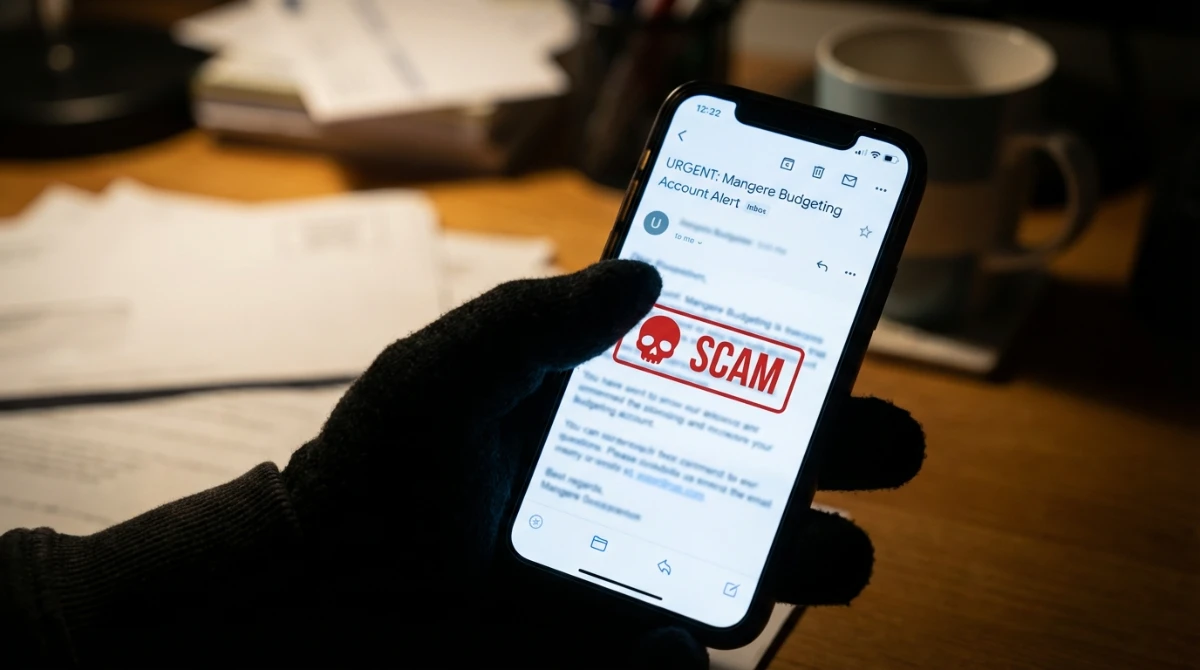
Recognising Common Scams
Scams are becoming increasingly sophisticated. Here are some prevalent types:
- Phishing Scams: Emails or texts pretending to be from legitimate organisations (banks, government, utility companies) asking for personal information or payment.
- Impersonation Scams: Calls or messages from someone pretending to be from Spark, IRD, or the police, demanding immediate payment or access to your computer.
- Investment Scams: Promises of high returns with little risk, often involving cryptocurrencies or foreign exchange.
- Door-to-Door Sales: High-pressure tactics for goods or services, often targeting vulnerable individuals. Always remember you have a cooling-off period for unsolicited sales.
Action Checklist: Protecting Yourself
Use this checklist to fortify your defenses against scams and unfair practices:
- Always Be Skeptical: If an offer seems too good to be true, it probably is.
- Verify Identity: If someone claims to be from a company or government agency, hang up and call them back using a publicly available official number, not a number they provided.
- Never Share Personal Information: Do not give out bank details, passwords, or PINs over the phone or in response to unsolicited emails/texts.
- Think Before You Click: Be wary of suspicious links in emails or messages.
- Secure Your Devices: Use strong, unique passwords and enable two-factor authentication where possible. Keep your anti-virus software updated.
- Educate Yourself: Stay informed about the latest scams by checking reputable sources like Consumer Protection NZ and CERT NZ.
- Report It: If you’ve been scammed or suspect an attempt, report it to Netsafe and your bank immediately.
Advocacy and Complaints Process
Despite your best efforts, sometimes things go wrong. When you encounter a problem with a product or service, knowing how to escalate your issue is vital. This step-by-step guide will help you navigate the complaints process and advocate effectively for your consumer rights in NZ.

Step 1: Informal Resolution with the Provider
Start by trying to resolve the issue directly with the business. Clearly explain the problem, what you want (e.g., a repair, replacement, refund), and why you believe you’re entitled to it under the CGA or FTA. Keep a record of who you spoke to, when, and what was discussed.
Step 2: Lodge a Formal Complaint
If informal attempts fail, submit a formal written complaint. This can be via email or letter. Clearly state the facts, refer to the relevant consumer laws (CGA/FTA), attach copies of receipts or other evidence, and reiterate your desired resolution. Give them a reasonable timeframe (e.g., 10 working days) to respond. Keep a copy of your complaint.
Step 3: External Dispute Resolution Schemes
Many industries in New Zealand have independent dispute resolution schemes (DRS) if you can’t resolve the issue directly with the business. These services are free for consumers and offer an impartial way to resolve disputes. Examples include:
- Utilities Disputes: For electricity, gas, and water issues.
- Telecommunication Dispute Resolution (TDR): For phone and internet services.
- Financial Services Complaints Ltd (FSCL) / Banking Ombudsman Scheme: For financial services.
- Motor Vehicle Disputes Tribunal: For vehicle-related complaints.
Contact the relevant scheme; they will guide you through their process, which often involves mediation or conciliation.
Step 4: Considering Further Action
If a dispute resolution scheme can’t help, or if the business isn’t covered by one, you might consider taking your case to the Disputes Tribunal. This is a low-cost, informal court where you can bring claims up to certain monetary limits. For serious breaches of the Fair Trading Act, you can also report businesses to the Commerce Commission, who can investigate and prosecute companies.
Frequently Asked Questions
What are my main consumer rights in NZ?
Your main consumer rights in NZ are protected by the Fair Trading Act (FTA) and the Consumer Guarantees Act (CGA). The FTA prevents businesses from misleading or deceiving you, while the CGA ensures goods and services are of acceptable quality, fit for purpose, and match their description.
What should I do if a product I bought is faulty?
If a product is faulty, you should first contact the retailer. Under the Consumer Guarantees Act, you are entitled to a remedy. For minor faults, the retailer can choose to repair, replace, or refund. For major faults, you can choose between a replacement or a full refund.
How can I compare utility providers effectively?
To compare utility providers (like power and internet), use independent comparison websites like Powerswitch for electricity and Broadband Compare for internet. Input your usage details to get personalised comparisons based on unit rates, daily charges, discounts, and contract terms. Always read the fine print!
What steps should I take if I suspect a scam?
If you suspect a scam, do not engage. Do not click links, open attachments, or provide any personal information. Hang up on suspicious calls. Report the scam to Netsafe, your bank (if financial details were compromised), and CERT NZ. Always verify the legitimacy of any communication through official channels.
Where can I get help if a business won’t resolve my complaint?
If a business won’t resolve your complaint directly, you can escalate it to an external dispute resolution scheme relevant to the industry (e.g., Utilities Disputes, TDR for telecommunications, Financial Services Complaints Ltd). These services are free for consumers. For other issues or larger claims, consider the Disputes Tribunal or contacting the Commerce Commission for serious breaches of law.
References & Sources
- Consumer Protection NZ – Official government website for consumer rights.
- Consumer NZ – Independent advocate for New Zealand consumers.
- Disputes Tribunal – Information on resolving civil disputes.
- Utilities Disputes – Independent dispute resolution for utilities.
- Telecommunication Dispute Resolution (TDR) – Resolving disputes with phone and internet companies.
- Netsafe NZ – Online safety and scam prevention.
- CERT NZ – Cyber security threat reporting and advice.