
Utility & Consumer Protection
Empower yourself! Learn your consumer rights in NZ, compare utility services, spot scams, and effectively handle complaints. A guide for every Kiwi.

mangerebudgeting.org.nz
What You Will Learn
Empower yourself! Learn your consumer rights in NZ, compare utility services, spot scams, and effectively handle complaints. A guide for every Kiwi.
Utility & Consumer Protection: Navigating Your Consumer Rights in NZ
In today’s fast-paced world, understanding your consumer rights NZ is more crucial than ever. From the power powering your home to the internet connecting you to the world, and even the everyday purchases you make, knowing where you stand can empower you to make informed decisions, protect your finances, and navigate potential disputes with confidence. At Mangere Budgeting, we believe informed consumers are empowered consumers. This comprehensive guide will equip you with the essential knowledge to assert your rights and ensure fair treatment in the marketplace.
Understanding Your Rights as a Consumer
As a consumer in New Zealand, you are protected by robust legislation designed to ensure you get what you pay for and are treated fairly. The two primary pieces of legislation governing your consumer rights NZ are the Consumer Guarantees Act (CGA) and the Fair Trading Act (FTA).
The Consumer Guarantees Act (CGA)
The CGA applies to goods and services ordinarily acquired for personal, domestic, or household use. It provides a set of guarantees to consumers, regardless of any manufacturer’s warranty. Key guarantees include:
- Acceptable Quality: Goods must be fit for purpose, durable, safe, and free from minor defects.
- Fit for Particular Purpose: If you tell a seller you need goods for a specific purpose, they must be fit for that purpose.
- Match Description: Goods must match any description given by the seller or in advertisements.
- Reasonable Price (Services): If no price is agreed beforehand, the service must be provided at a reasonable price.
- Reasonable Time (Services): If no time is agreed, the service must be completed within a reasonable time.
- Carried out with Reasonable Care and Skill (Services): Services must be provided competently.
If these guarantees aren’t met, you have the right to a repair, replacement, or refund, depending on the nature of the failure.
The Fair Trading Act (FTA)
The FTA prohibits misleading and deceptive conduct by businesses. This means businesses cannot:
- Make false or misleading claims about goods or services.
- Mislead consumers about pricing, promotions, or terms.
- Engage in unfair trading practices, such as bait advertising or pyramid selling.
Understanding these acts is your first step towards confidently exercising your consumer rights NZ. Remember, these rights apply whether you’re buying a fridge, hiring a plumber, or signing up for a new phone plan.
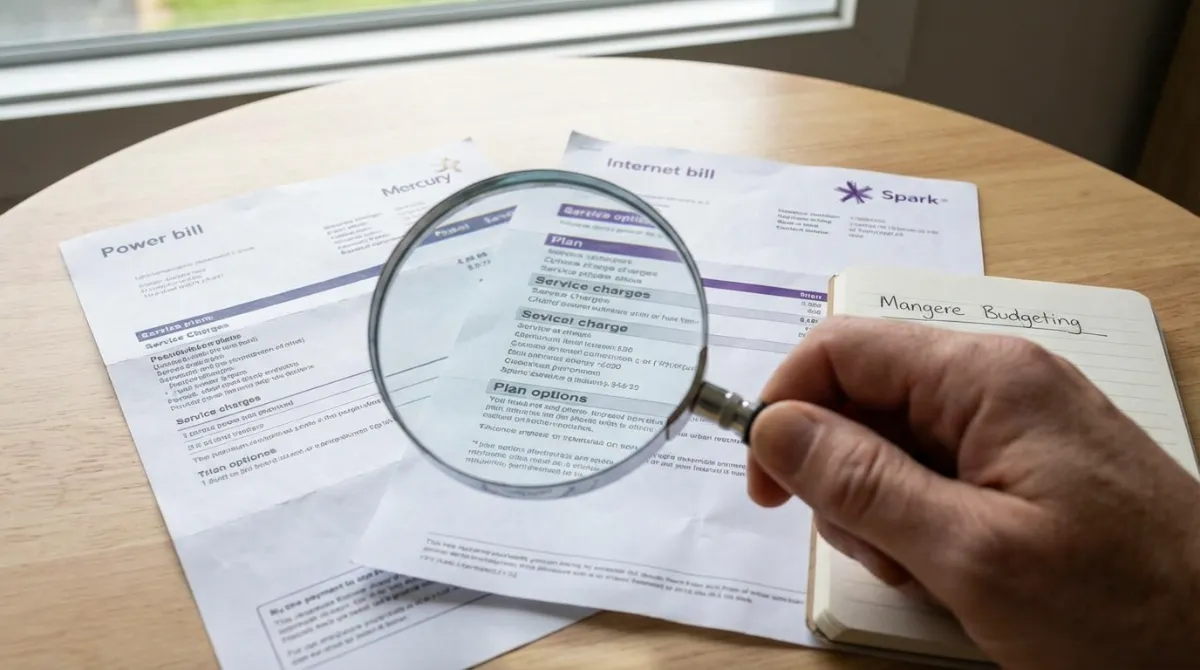
Comparing Essential Services: Power and Internet
Utility bills for power and internet can be significant household expenses. Smart comparison is a key budgeting strategy and an exercise of your consumer rights NZ to seek the best value. Don’t settle for the first offer; actively compare and negotiate.
Tips for Choosing Providers
- Understand Your Usage: How much power do you use? What internet speed do you actually need?
- Compare Plans: Look beyond the headline price. Check for prompt payment discounts, bundling options, contract lengths, and any hidden fees.
- Read Reviews: What do other customers say about their customer service and reliability?
- Check Termination Fees: Be aware of any costs if you decide to switch providers before your contract ends.
- Ask About Support: Good customer service is invaluable when issues arise.
“Being proactive in comparing essential services not only saves you money but also ensures you’re getting a service that truly meets your needs, aligned with your consumer rights.”
| Feature | Power Provider | Internet Provider |
|---|---|---|
| Pricing & Plans | Variable vs. fixed rates, prompt payment discounts, bundling options, low user plans. | Data limits, speed tiers (Fibre, VDSL), contract length, setup fees, broadband type. |
| Customer Service | Availability (24/7), online chat, local support, complaint resolution, outage communication. | Technical support, outage response time, online portals, easy contact, self-service options. |
| Billing & Transparency | Clear statements, smart meter data access, hidden fees, payment methods. | Transparent usage data, no surprise charges, clear terms & conditions, easy-to-understand bills. |
| Environmental/Social | Renewable energy sourcing, community initiatives, ethical practices, carbon footprint. | Digital inclusion programs, support for local communities, responsible data handling. |
Dealing with Scams and Unfair Practices
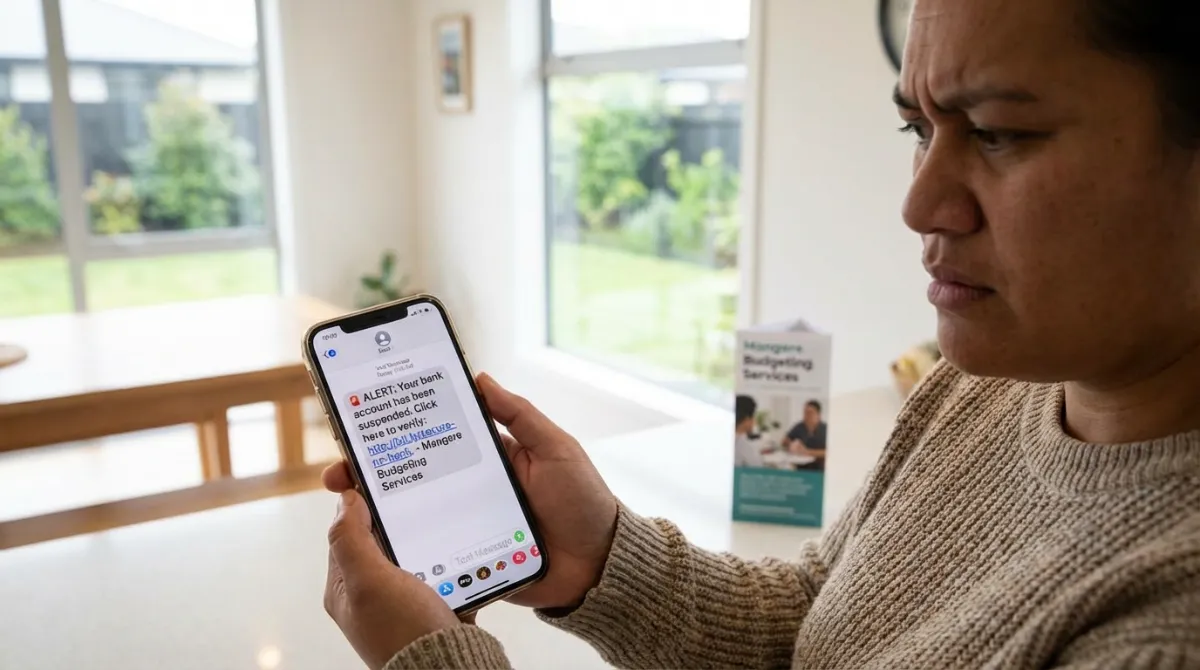
Unfortunately, not all interactions in the marketplace are legitimate. Scams and unfair practices are a constant threat to consumers. Protecting your consumer rights NZ also means protecting yourself from deceit.
Common Scam Types
- Phishing/Smishing: Emails or texts that appear to be from legitimate organisations (banks, government agencies) asking for personal details.
- Investment Scams: Promises of high returns with little to no risk, often involving cryptocurrencies or fake investment platforms.
- Online Shopping Scams: Non-delivery of goods, fake websites, or substandard products.
- Tech Support Scams: Unsolicited calls claiming to be from tech companies, offering to fix non-existent computer problems.
- Impersonation Scams: Scammers pretending to be from IRD, police, or utility companies to demand payments or personal info.
How to Protect Yourself
- Be Skeptical: If an offer seems too good to be true, it probably is.
- Verify Identity: Always independently verify the identity of callers or senders, especially if they ask for personal information or money.
- Never Click Suspicious Links: Avoid clicking links in unsolicited emails or texts.
- Use Strong Passwords: And enable two-factor authentication where possible.
- Think Before You Act: Don’t be pressured into making immediate decisions. Take time to research and consult trusted sources.
- Report Scams: If you encounter a scam, report it to NetSafe, CERT NZ, or the Commerce Commission.
Advocacy and the Complaints Process
Despite your best efforts, issues can still arise. Knowing how to effectively advocate for your consumer rights NZ through a formal complaints process is crucial. The goal is to resolve your issue efficiently and fairly.
Steps for Making a Complaint
Before escalating, always try to resolve the issue directly with the business. Many problems can be sorted out quickly and informally.
Your Action Checklist for Making a Complaint
- Gather Evidence: Collect all relevant documents, emails, receipts, contracts, and communication logs related to your purchase or service.
- Identify the Issue: Clearly define what went wrong, which of your consumer rights (e.g., under CGA or FTA) you believe has been breached, and what specific outcome you seek (e.g., repair, replacement, refund, apology).
- Contact the Business: Start by contacting the business directly. State your issue clearly, calmly, and professionally, referencing your evidence. Give them a reasonable timeframe to respond (e.g., 5-10 working days).
- Keep Records: Document every step of your complaint, including dates, names of people you spoke to, summaries of conversations, and copies of all correspondence.
- Escalate if Needed: If the business doesn’t resolve it to your satisfaction, refer to their internal complaints process (if they have one) or consider external dispute resolution schemes.
- Seek External Help: If still unresolved, or if the business is unresponsive, contact independent organisations. These include the Citizens Advice Bureau (CAB), Consumer Protection (part of MBIE), or relevant industry-specific dispute resolution schemes (e.g., Telecommunication Dispute Resolution, Utilities Disputes, Banking Ombudsman). For serious breaches of the Fair Trading Act, report to the Commerce Commission.
Remember, patience and clear communication are key. Most businesses want to resolve issues to maintain their reputation, but knowing your escalation options provides essential leverage.
Frequently Asked Questions
What is the Consumer Guarantees Act (CGA)?
The Consumer Guarantees Act (CGA) provides fundamental rights to consumers when they buy goods or services in New Zealand. It states that goods must be of acceptable quality, fit for purpose, and match their description. Services must be carried out with reasonable care and skill, fit for purpose, and delivered within a reasonable time and at a reasonable price.
How do I know if I’m being scammed?
Common red flags for scams include unsolicited contact (phone, email, text), urgent demands for money or personal information, promises of unrealistic returns, requests for payment via unusual methods (e.g., gift cards, cryptocurrency), and pressure to act quickly. Always be suspicious of offers that seem too good to be true.
Can I return something if I just changed my mind?
Generally, the Consumer Guarantees Act does not cover ‘change of mind’ returns. Retailers are not legally required to offer a refund or exchange if you simply changed your mind. However, many retailers have their own store policies that allow for this, so it’s always best to check their specific return policy before purchasing.
Who can help me with a consumer complaint?
If you can’t resolve an issue directly with the business, you can seek help from various organisations. These include the Citizens Advice Bureau (CAB), Consumer Protection (part of the Ministry of Business, Innovation and Employment – MBIE), and specific industry dispute resolution schemes (e.g., for telecommunications, energy, banking). For serious breaches of the Fair Trading Act, you can complain to the Commerce Commission.
References and Sources
- Ministry of Business, Innovation & Employment (MBIE) – Consumer Protection: www.consumerprotection.govt.nz
- Commerce Commission New Zealand: www.comcom.govt.nz
- Citizens Advice Bureau (CAB) New Zealand: www.cab.org.nz
- NetSafe New Zealand: www.netsafe.org.nz
- Consumer Guarantees Act 1993 (New Zealand Legislation): www.legislation.govt.nz