
Saving on Groceries in Auckland: Smart Food Budgeting
Save big on groceries in Auckland! Discover expert tips for cheap groceries in Auckland, smart food budgeting, and finding the best deals to stretch your dollar further. Your ultimate guide to an Auckland food budget.
mangerebudgeting.org.nz
What You Will Learn
Save big on groceries in Auckland! Discover expert tips for cheap groceries in Auckland, smart food budgeting, and finding the best deals to stretch your dollar further. Your ultimate guide to an Auckland food budget.
Navigating the cost of living in Auckland can feel like a high-stakes game, and one of the biggest challenges for many families and individuals is managing the weekly grocery bill. With food prices consistently on the rise, mastering smart food budgeting is more critical than ever. Whether you’re a long-time Aucklander or new to the city, finding cheap groceries in Auckland doesn’t have to be a daunting task. This comprehensive guide from Mangere Budgeting will equip you with practical strategies, local insights, and expert tips to stretch your food dollar further without compromising on quality or nutrition. Let’s transform your Auckland food budget from a source of stress into a tool for financial empowerment.
Table of Contents
- Creating a Weekly Food Budget
- Best Supermarkets for Deals and Discounts in Auckland
- Exploring Local Markets and Community Gardens
- Meal Planning and Batch Cooking Strategies
- Using Loyalty Programs and Discount Vouchers Effectively
- Reducing Food Waste to Save Money
- Affordable Healthy Eating Tips
- Food Banks and Community Food Initiatives in South Auckland
- Frequently Asked Questions About Saving on Groceries
- References and Sources
Creating a Weekly Food Budget
The first step to finding cheap groceries in Auckland is understanding where your money goes. A solid food budget provides a clear roadmap, helping you identify areas to save and stick to your financial goals. It’s not about deprivation, but about intentional spending.
Stat Callout: Did you know the average weekly food cost for a New Zealand household (2 people) is around $250? For many Aucklanders, this figure can be even higher. Setting a budget helps you regain control.
1. Track Your Current Spending
For a week or two, meticulously record every dollar spent on food – groceries, takeaways, coffees. This honest assessment reveals your habits and spending patterns.
2. Set a Realistic Limit
Based on your income and other expenses, decide on a realistic weekly or fortnightly amount you can allocate to food. Start conservatively and adjust as needed.
3. Categorise Your Food Expenses
Separate your budget into categories like ‘supermarket essentials,’ ‘fresh produce,’ and ‘treats/takeaways.’ This helps you see where cuts can be made.
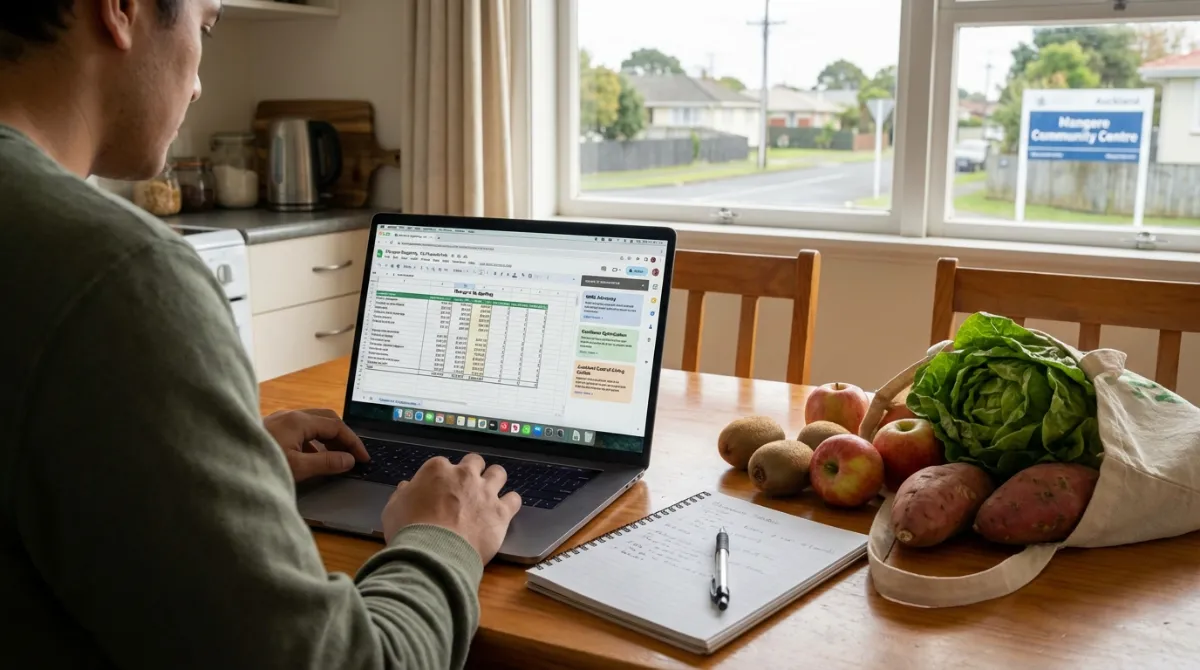
4. Use a Budgeting Tool
Whether it’s a spreadsheet, a budgeting app, or a simple notebook, find a system that works for you to track and manage your Auckland food budget effectively.
Best Supermarkets for Deals and Discounts in Auckland
Auckland’s supermarket landscape offers various options, each with its strengths when it comes to saving money.
- Pak’nSave: Often considered the cheapest option, Pak’nSave focuses on bulk buying and everyday low prices. Keep an eye on their ‘yellow sticker’ specials for quick sales on items nearing their expiry date.
- Countdown: Known for its Onecard loyalty program and regular promotions. Check their weekly mailer for specials and use the app to load personalised discounts.
- New World: While generally perceived as slightly higher-priced, New World often has excellent quality produce and meat specials. Their Clubcard program offers points and discounts, and their ‘Pams’ and ‘Value’ brands provide affordable alternatives.
- Other Options: Don’t overlook smaller, ethnic grocery stores (e.g., Asian, Indian, Middle Eastern supermarkets) which often offer specialty ingredients and fresh produce at significantly lower prices than major chains.
Exploring Local Markets and Community Gardens
Beyond the major chains, Auckland boasts a vibrant network of local markets and community initiatives that are goldmines for cheap groceries Auckland residents often overlook.
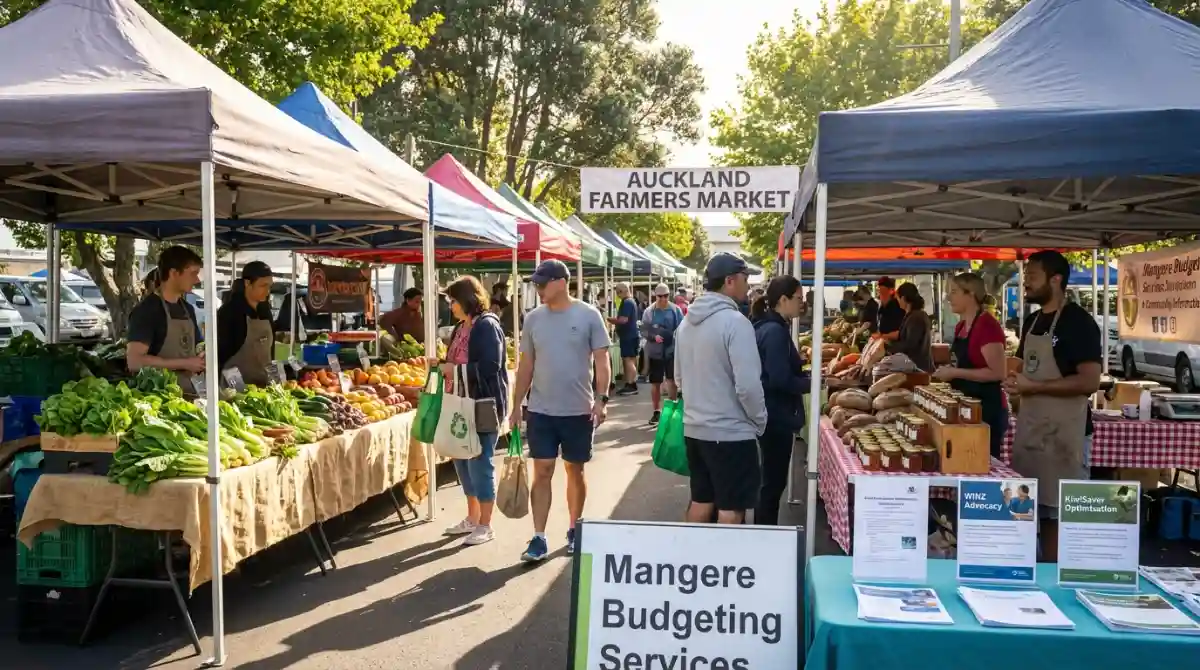
- Farmers’ Markets: Visit markets like the Parnell Farmers’ Market or Otara Market. You can often find fresh, seasonal produce directly from growers at competitive prices, especially towards closing time.
- Fruit & Veggie Shops: Independent fruit and vegetable shops can offer better deals than supermarkets, especially for staple items. Many have daily specials.
- Community Gardens & Food Swaps: Explore local community gardens where you might be able to volunteer in exchange for produce, or join local food swap groups on social media to exchange homegrown goods.
Meal Planning and Batch Cooking Strategies
Strategic meal planning and batch cooking are powerful tools for managing your Auckland food budget. They reduce impulsive purchases, minimise food waste, and save time during busy weekdays.
1. Plan Around Sales and Seasonal Produce
Before you even make a list, check supermarket flyers for weekly specials. Build your meal plan around ingredients that are on sale or in season, as these will naturally be cheaper.
2. Create a Weekly Menu
Outline all your meals for the week – breakfast, lunch, dinner, and snacks. Be realistic about what you’ll actually cook and eat to avoid buying unnecessary items.
3. Make a Detailed Shopping List
Stick to your list rigorously! Impulse buys are budget killers. Organise your list by supermarket aisle to shop efficiently.
4. Dedicate Time for Batch Cooking
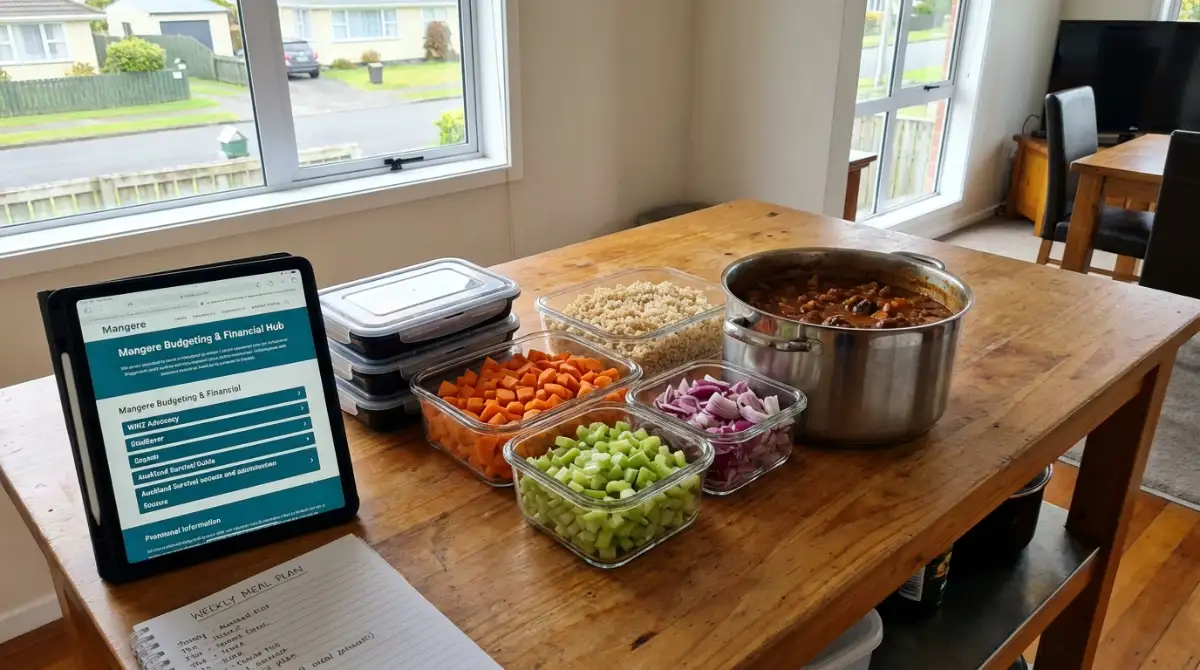
Choose one day a week (e.g., Sunday afternoon) to prep ingredients or cook larger batches of meals (like curries, soups, or roasted vegetables) that can be portioned and frozen or refrigerated for later in the week.
Using Loyalty Programs and Discount Vouchers Effectively
Don’t leave money on the table! Supermarket loyalty programs and discount vouchers are designed to save you money, but only if you use them strategically.
- Sign Up for Everything: Join Onecard (Countdown), Clubcard (New World), and any other loyalty programs offered by your preferred stores.
- Load Personalised Offers: Check your loyalty app or email for personalised discounts. These often align with items you regularly buy.
- Collect Points Wisely: Understand how to earn and redeem points for maximum value. Some programs offer greater savings when you redeem points for specific items or during special promotional periods.
- Coupon Clipping (Digital & Print): Keep an eye out for physical vouchers in mailboxes or digital coupons online. Combine these with sale items for super savings.
- Student & Senior Discounts: If applicable, inquire about any specific discounts for students or seniors at local stores.
Reducing Food Waste to Save Money
Food waste is not just an environmental issue; it’s a financial drain. An average Kiwi household wastes an estimated $600-$1000 worth of food per year. Reducing food waste is a direct way to achieve cheap groceries in Auckland.
- Store Food Properly: Learn the best ways to store fruits, vegetables, and other perishables to extend their shelf life.
- Understand ‘Best Before’ vs. ‘Use By’: ‘Best before’ is about quality, not safety. ‘Use by’ is about safety.
- Repurpose Leftovers: Get creative! Transform leftover roast chicken into sandwiches, tacos, or a soup.
- Freeze for Later: Many foods, from bread to ripe bananas to cooked meals, can be frozen. Label and date everything.
- Compost Scraps: While not a direct money-saver, composting reduces waste going to landfill and creates rich soil for a home garden, potentially saving you money on produce.
Affordable Healthy Eating Tips
Eating healthy on an Auckland food budget is entirely possible. It’s often cheaper and more nutritious to cook from scratch than to rely on processed foods or takeaways.
- Embrace Legumes & Grains: Lentils, beans, chickpeas, rice, and oats are incredibly cheap, versatile, and packed with nutrients.
- Buy Frozen Fruits & Vegetables: They are often cheaper than fresh, just as nutritious, and last longer.
- Cook with Cheaper Cuts of Meat: Stewing beef, chicken thighs, and mince are more budget-friendly than premium cuts and can be delicious when cooked properly.
- Grow Your Own: Even a small herb garden or a few tomato plants can save you money and provide fresh, healthy ingredients.

Food Banks and Community Food Initiatives in South Auckland
For those facing significant financial hardship, food banks and community food initiatives offer crucial support. In South Auckland, there are several organisations dedicated to ensuring no one goes hungry.
- Mangere Budgeting Services: We can help connect you with local food support and provide guidance on accessing assistance. Don’t hesitate to reach out.
- Local Food Banks: Organisations like the Salvation Army, Auckland City Mission, and various church-based food banks offer emergency food parcels. A referral from a social worker or our service may be required.
- Community Pantries & Kai Desks: Some communities have ‘take what you need, leave what you can’ pantries, or school-based kai desks providing food support. Inquire at your local community centre.
- Wonky Box / Fruit & Vege Co-ops: Initiatives that rescue ‘ugly’ or surplus produce and deliver it at a reduced cost. Search for these services in your area.
Navigating the grocery aisles of Auckland doesn’t have to be overwhelming. By implementing these strategies for smart food budgeting, seeking out cheap groceries in Auckland, and utilising available community resources, you can take control of your food spending and free up valuable funds for other essential needs. Mangere Budgeting is here to support your journey towards financial wellbeing.
Frequently Asked Questions About Saving on Groceries
What’s the best day to find cheap groceries in Auckland?
Many supermarkets release their new weekly specials on Monday or Tuesday. Shopping mid-week during off-peak hours can also mean fewer crowds and potentially more marked-down items as staff clear shelves.
Are ethnic supermarkets really cheaper for an Auckland food budget?
Often, yes, especially for specific items like rice, spices, certain vegetables, and cuts of meat. Shopping at a mix of major supermarkets and ethnic stores can significantly reduce your overall grocery bill.
How can I reduce food waste effectively?
Start with meal planning to buy only what you need. Learn proper food storage, get creative with leftovers, and freeze foods before they spoil. Consider composting for scraps that can’t be eaten.
Is organic produce worth the extra cost when trying to save money?
While organic produce has benefits, it’s generally more expensive. When on a tight Auckland food budget, focus on buying conventional produce that’s on sale or in season. The most important thing is to eat plenty of fruits and vegetables, regardless of whether they are organic.
References and Sources
- Stats NZ. (2023). Household Living-costs Price Indexes: Food and non-alcoholic beverages. Retrieved from Stats NZ Website (Hypothetical reference for cost data).
- NZ Food Waste. (n.d.). Love Food Hate Waste NZ. Retrieved from Love Food Hate Waste NZ (Plausible source for food waste statistics).
- Auckland Council. (n.d.). Farmers Markets & Community Gardens. Retrieved from Auckland Council Website (Plausible general reference for local initiatives).
- Mangere Budgeting Services. (2024). Internal Financial Wellness Guides. (Plausible internal reference for budgeting advice).