
Preventing Future Debt
Discover essential avoiding debt tips NZ residents can use to build financial resilience. Learn smart borrowing, emergency savings, and credit health strategies with Mangere Budgeting Services.

mangerebudgeting.org.nz
What You Will Learn
Discover essential avoiding debt tips NZ residents can use to build financial resilience. Learn smart borrowing, emergency savings, and credit health strategies with Mangere Budgeting Services.
Navigating the financial landscape of New Zealand can be challenging, and finding yourself caught in a cycle of debt is a common concern for many. But what if you could equip yourself with the knowledge and strategies to not just manage debt, but to prevent it entirely? At Mangere Budgeting Services, we believe that financial resilience starts with proactive steps.
This comprehensive guide is designed to empower you with essential avoiding debt tips NZ residents can implement immediately. We’ll explore smart borrowing, building strong financial buffers, and cultivating spending habits that secure your financial future, rather than jeopardising it. It’s time to build a solid foundation that stands strong against financial pressures.
Table of Contents
- Smart Borrowing and Financial Literacy: The First Line of Defense
- Building Financial Buffers: Your Safety Net Against the Unexpected
- Maintaining Good Credit Health and Responsible Spending Habits
- Your Action Checklist for Avoiding Debt
- Frequently Asked Questions About Avoiding Debt
- References and Sources
Smart Borrowing and Financial Literacy: The First Line of Defense
The journey to preventing future debt begins with a strong understanding of how money works and making conscious, informed decisions before taking on financial commitments. Financial literacy isn’t just about knowing facts; it’s about developing habits that protect and grow your wealth.
1. Understand Your Needs vs. Wants
Before any significant purchase or loan, critically assess if it’s a genuine need (shelter, food, essential transport) or a want (new gadgets, luxury items, non-essential entertainment). Distinguishing between the two is a fundamental step in smart spending and avoiding debt tips NZ financial experts often highlight.
“True financial freedom isn’t about having a lot of money; it’s about having control over your money.” – Mangere Budgeting Services philosophy.
2. Master Budgeting: Your Financial GPS
A budget isn’t restrictive; it’s empowering. It gives you a clear picture of your income and expenses, identifying areas where you can save or cut back. Use tools like spreadsheets, budgeting apps, or even a simple notebook. A well-maintained budget is your most powerful tool for preventing future debt.
For example, try the 50/30/20 rule: 50% of income for needs, 30% for wants, and 20% for savings and debt repayment. Adjust this to fit your unique financial situation.
3. Evaluate Loan Terms Carefully
If borrowing is unavoidable, always read the fine print. Understand the interest rate (APR), fees, repayment schedule, and total cost of the loan. Don’t rush into agreements. Compare offers from different lenders and seek advice if you’re unsure. High-interest loans, particularly from non-traditional lenders, can quickly spiral into significant debt.
4. Seek Financial Education
The more you know, the better equipped you are. Attend free workshops, read reputable financial blogs, or consult with non-profit organisations like Mangere Budgeting Services. Understanding financial concepts like compound interest, inflation, and investment basics will serve you well throughout your life. It’s a key component of effective avoiding debt tips NZ offers.
Building Financial Buffers: Your Safety Net Against the Unexpected
Life is unpredictable. Losing a job, an unexpected medical bill, or urgent car repairs can quickly push individuals into debt if no financial safety net exists. Building an emergency fund and other financial buffers is paramount for preventing future debt and achieving true financial resilience.
1. Start Small, Save Consistently
Don’t be overwhelmed by the idea of saving a large sum. Begin with a modest goal, perhaps $500, and gradually increase it. The key is consistency. Even small, regular contributions add up over time. Many New Zealanders find that setting a dedicated savings account, separate from their everyday spending account, helps immensely.
Stat Callout: A recent survey by Sorted.org.nz indicates that only around half of New Zealanders feel they have enough emergency savings to cover three months’ expenses. This highlights the crucial need for dedicated savings efforts.
2. Automate Your Savings
One of the most effective avoiding debt tips NZ experts recommend is to “pay yourself first.” Set up an automatic transfer from your primary account to your savings account on payday. This removes the temptation to spend the money and makes saving a non-negotiable part of your financial routine.
3. Set Clear Savings Goals
Whether it’s for an emergency fund, a house deposit, or a specific purchase, having a clear goal provides motivation. Break down larger goals into smaller, manageable targets. For instance, aiming for one month’s living expenses in your emergency fund first, then expanding to three, then six.

Maintaining Good Credit Health and Responsible Spending Habits
Your credit history is a reflection of your financial reliability. A good credit score can open doors to better loan rates and financial products, while poor credit can lead to higher costs and limited options, pushing you towards more expensive forms of borrowing. Responsible spending habits are the bedrock of good credit health and are vital for preventing future debt.
1. Monitor Your Credit Score
In New Zealand, you have the right to access your credit report for free from agencies like Equifax (formerly Veda) and Centrix. Regularly checking your credit report allows you to spot errors and understand your financial standing. A healthy credit score is a powerful asset in avoiding debt tips NZ financial institutions often promote.
2. Pay Bills On Time, Every Time
Payment history is a significant factor in your credit score. Missing even one payment can negatively impact it. Set up reminders, direct debits, or calendar alerts to ensure all your bills, from utilities to loan repayments, are paid promptly.
3. Keep Credit Utilisation Low
If you have credit cards, try to keep your outstanding balance well below your credit limit, ideally under 30%. High credit utilisation can signal to lenders that you are over-reliant on credit, potentially making you a higher risk. This is a crucial element of preventing future debt from credit card interest.
4. Avoid Unnecessary Debts
Before taking on any new debt, ask yourself if it’s truly necessary and if you can comfortably afford the repayments without straining your budget. Resist the urge for impulse purchases on credit. Each debt, no matter how small, adds to your financial obligations and can limit your flexibility in the future.

Your Action Checklist for Avoiding Debt
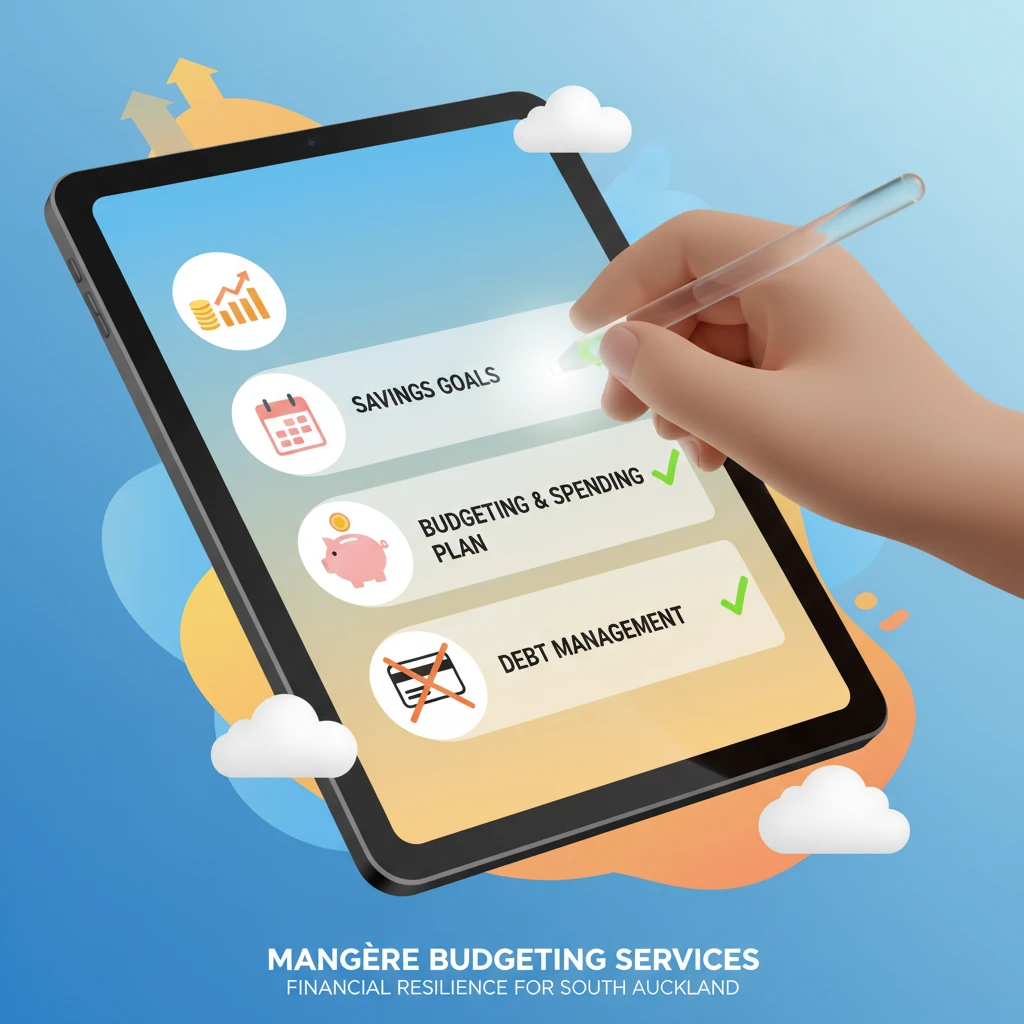
Ready to take control of your financial future? Use this checklist to guide your efforts in preventing future debt:
- ✓ Create and stick to a realistic monthly budget.
- ✓ Clearly distinguish between needs and wants for all purchases.
- ✓ Research and understand all terms before signing any loan agreement.
- ✓ Set up an automatic transfer to a dedicated savings account each payday.
- ✓ Aim to build an emergency fund covering at least 3-6 months of living expenses.
- ✓ Regularly check your credit report and address any discrepancies.
- ✓ Pay all bills and loan repayments on time, every time.
- ✓ Keep credit card balances low, ideally under 30% of your limit.
- ✓ Seek free financial advice if you feel overwhelmed or need guidance.
- ✓ Continuously educate yourself on personal finance best practices.
Frequently Asked Questions About Avoiding Debt
How can I start saving for an emergency fund if I have very little disposable income?
Even small amounts add up. Start by identifying tiny expenses you can cut – a daily coffee, an unused subscription. Redirect that money, even if it’s just $5-$10 a week, into a separate savings account. Automate this transfer so you don’t even think about it. Over time, you’ll be surprised how quickly it grows. Consider a side hustle for extra income.
What’s the most important step for avoiding debt tips NZ residents should follow?
While all tips are crucial, the most foundational is creating and consistently sticking to a realistic budget. A budget gives you visibility and control over your money, allowing you to make informed decisions about spending, saving, and borrowing, which directly prevents future debt accumulation.
How often should I check my credit score in New Zealand?
It’s advisable to check your credit report at least once a year, or more frequently (e.g., every six months) if you’re planning to apply for significant loans like a mortgage or car loan. This ensures accuracy and allows you to address any issues proactively, which is a key part of preventing future debt.
Is it always bad to take on debt?
Not necessarily. “Good debt” can be an investment, such as a mortgage for a home that appreciates in value or a student loan for education that increases your earning potential. However, “bad debt” is typically high-interest debt for depreciating assets or consumption, like credit card debt for everyday spending. The key is understanding the purpose and terms of the debt.
References and Sources
- Sorted.org.nz – New Zealand’s free, independent money guidance website.
- Mangere Budgeting Services – Internal expertise and client education resources.
- Financial Services Complaints Limited (FSCL) – Consumer advice on financial disputes.
- Commerce Commission New Zealand – Information on consumer rights and credit contracts.
- Equifax (formerly Veda) and Centrix – Credit reporting agencies in New Zealand.