
Māori Financial Resilience
Discover how Māori financial planning integrates Te Ao Māori principles for whānau prosperity. Learn about budgeting, wealth management, and resilience. Get culturally specific guidance today.
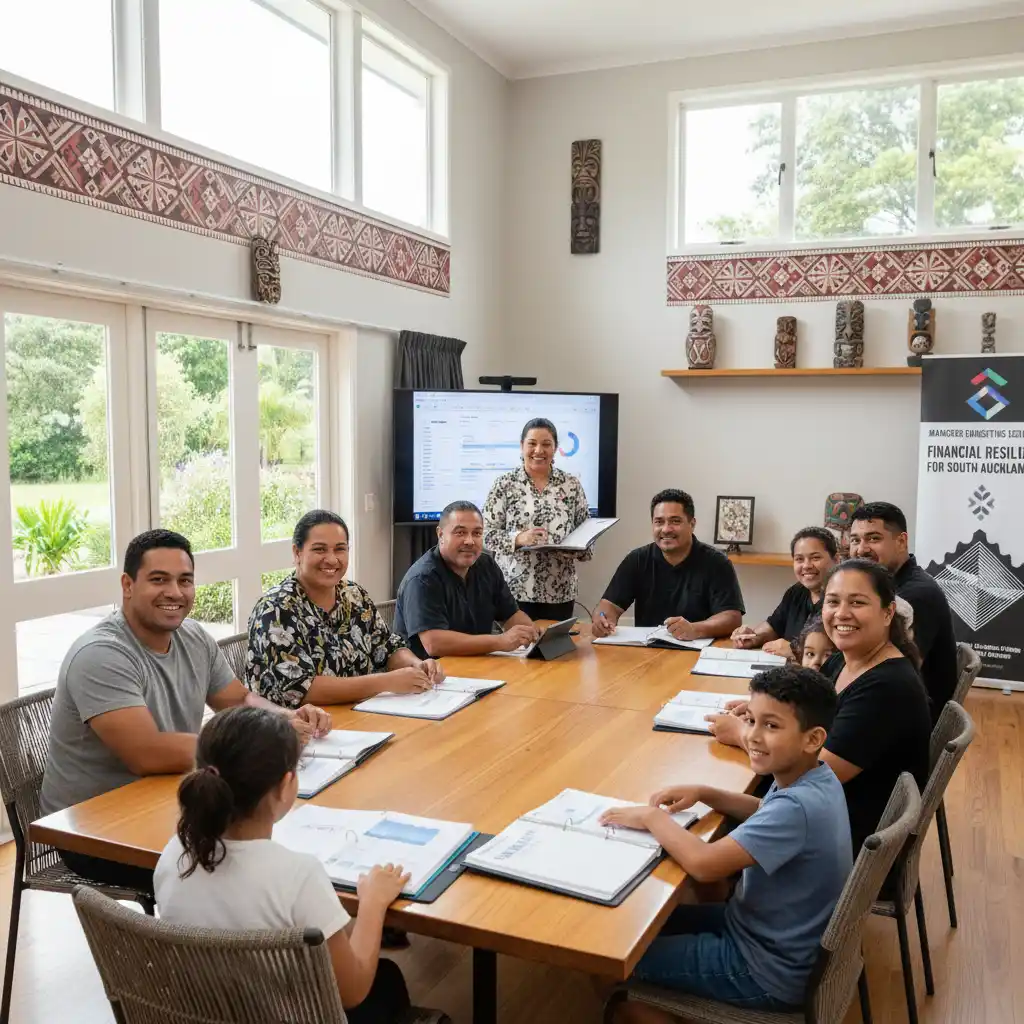
mangerebudgeting.org.nz
What You Will Learn
Discover how Māori financial planning integrates Te Ao Māori principles for whānau prosperity. Learn about budgeting, wealth management, and resilience. Get culturally specific guidance today.
Māori Financial Resilience: Cultivating Whānau Prosperity through Culturally Grounded Planning
In the vibrant communities of South Auckland, financial well-being extends far beyond individual bank accounts. For Māori, it’s a journey deeply rooted in collective strength, intergenerational responsibility, and a profound connection to cultural heritage. Māori financial planning is not just about numbers; it’s about nurturing whānau, protecting whenua, and fostering a future where prosperity is shared. At Mangere Budgeting Services, we understand that true financial resilience is built on foundations that resonate with your identity and values.
This comprehensive guide explores how to integrate Te Ao Māori principles into practical financial strategies. We will delve into Kaupapa Māori approaches to budgeting and wealth management, offering insights and tools to support your whānau’s financial aspirations and secure a thriving future.
Integrating Te Ao Māori Principles into Financial Guidance
For generations, Māori have held a holistic view of well-being, where economic prosperity is inseparable from social, cultural, and spiritual health. This worldview, Te Ao Māori, offers a powerful framework for Māori financial planning. Unlike Western models often prioritising individual accumulation, Te Ao Māori principles emphasise collective responsibility, long-term sustainability, and the profound connection between people, land, and resources.
Key principles informing a Māori approach to finance:
- Kaitiakitanga (Guardianship): Responsible management of resources, encouraging sustainable spending and investing for future generations.
- Whanaungatanga (Kinship & Relationships): Financial decisions are made with the whānau in mind, fostering mutual support and shared well-being.
- Manaakitanga (Generosity & Care): Sharing resources and caring for others strengthens social networks, crucial for collective resilience during difficult times.
- Tūrangawaewae (A Place to Stand): Financial aspirations often link to home ownership, land retention, and investing in community infrastructure.
- Wairuatanga (Spirituality & Well-being): Recognising that financial stress impacts overall health, this principle encourages a balanced approach where money serves life, not the other way around.
Kaupapa Māori Approaches to Budgeting and Wealth Management
Translating Te Ao Māori principles into actionable financial steps forms the core of Kaupapa Māori approaches to wealth management. These are flexible strategies aligning with cultural values, promoting sustainable growth and collective well-being. Here’s how to integrate these approaches into your Māori financial planning journey.
1. Understanding Your Whānau Financial Landscape
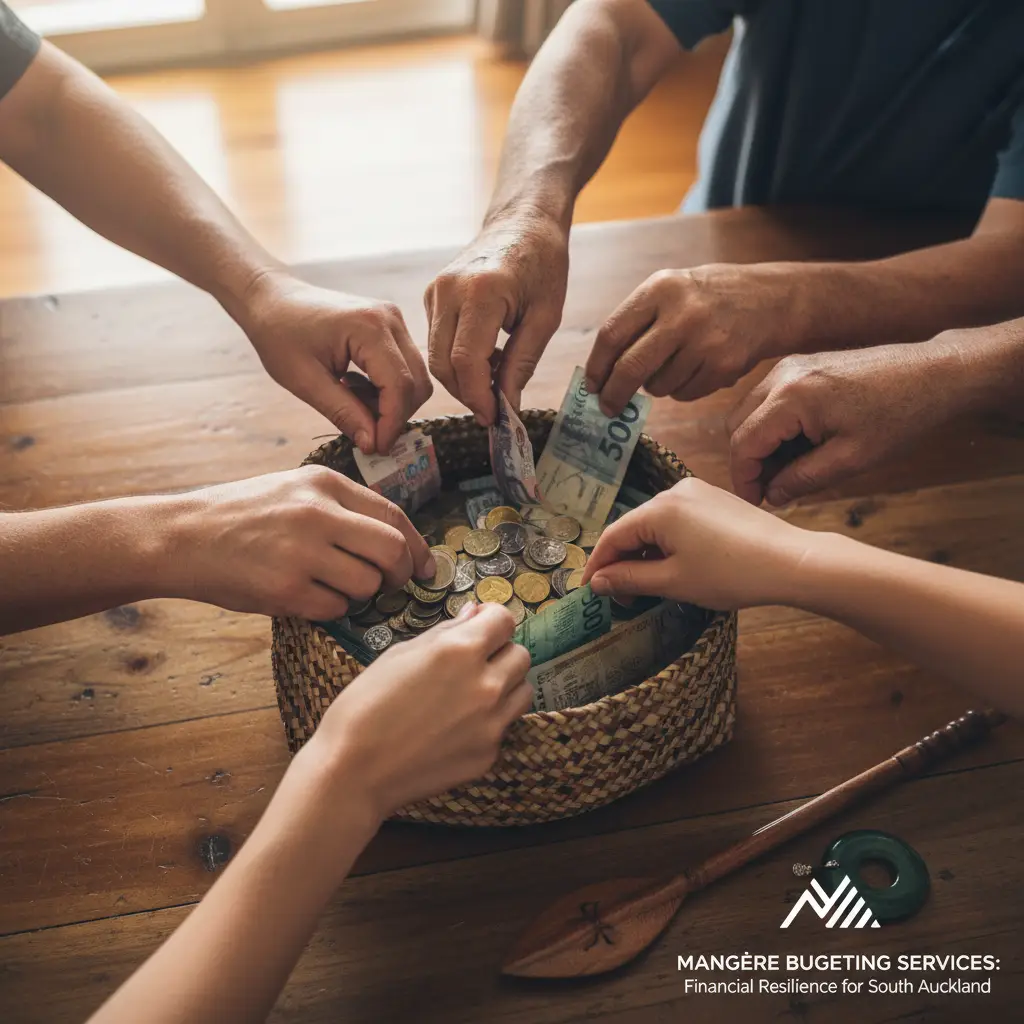
Begin with an open kōrero (discussion) about money among your whānau. Transparency about income, expenses, assets, and debts is vital. View resources as a collective pool, identifying shared responsibilities. Understanding this collective landscape helps pinpoint strengths and areas for growth, fostering a united approach to financial management.
2. Setting Goals with a Collective Mindset
After clarifying your current financial picture, collaboratively set goals. These might be short, medium, or long-term, from whānau hui to homeownership. Crucially, goals should reflect collective aspirations, prioritising the well-being and security of the entire whānau over individual desires. This shared vision strengthens commitment and teamwork.
“True financial planning for Māori involves seeing wealth not as an end, but as a means to empower whānau, strengthen cultural identity, and secure a flourishing future for all.”
3. Implementing Kaitiakitanga in Savings and Investments
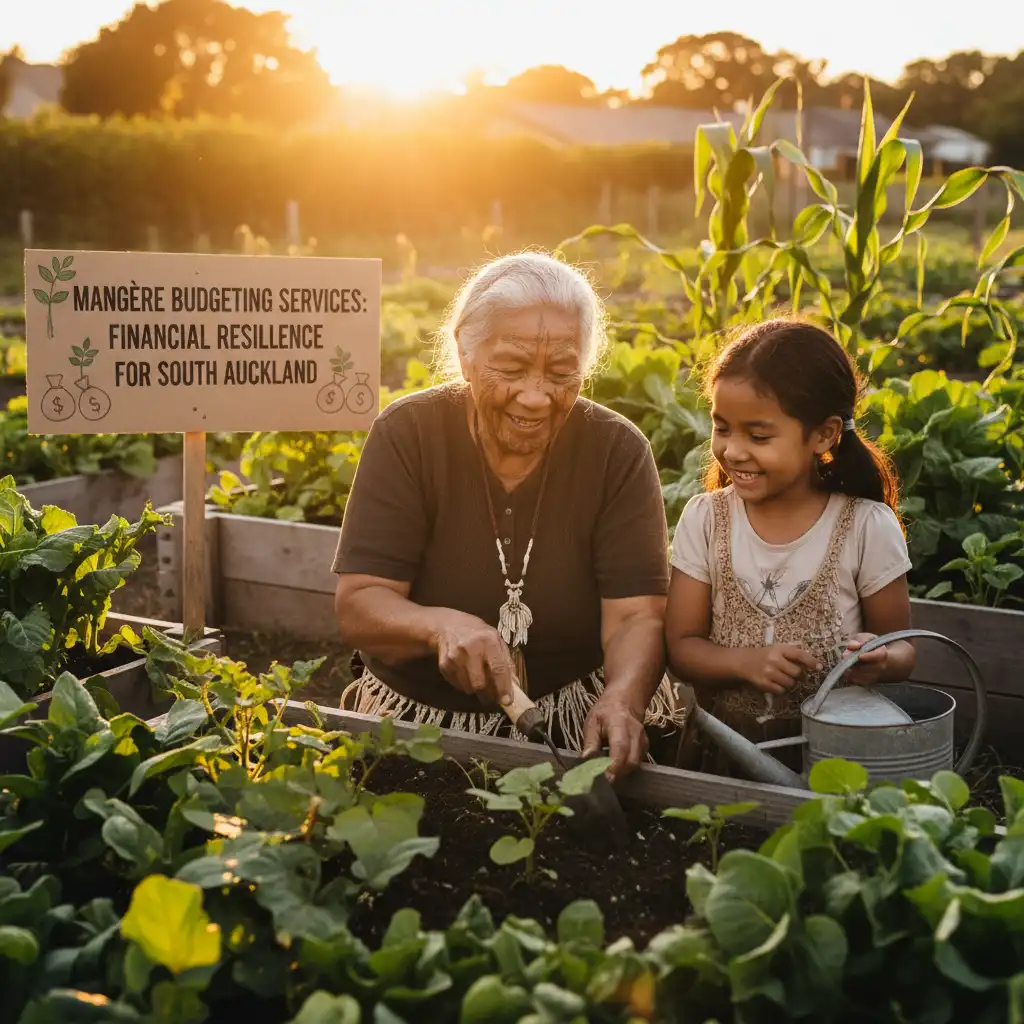
Approach saving and investing with a kaitiaki (guardian) mindset. This means making sustainable choices beneficial in the long run. Consider ethical investments aligning with Māori values, supporting responsible businesses. Teach mokopuna (grandchildren) the value of saving for collective purposes, instilling a sense of guardianship over future resources and intergenerational prosperity.
4. Managing Debt with Whanaungatanga
When managing debt, Whanaungatanga encourages open communication and mutual support. If a whānau member struggles, the collective can explore ways to assist, whether through shared resources, advice, or moral support. Leverage whānau relationships to navigate challenges together, finding collective solutions like shared budgeting for debt repayment or pooling resources for larger repayments, preventing isolation.
Supporting Whānau Financial Aspirations
Achieving financial resilience for Māori is a journey that benefits immensely from strategic planning and unwavering whānau support. Mangere Budgeting Services is dedicated to walking alongside South Auckland whānau, providing expert guidance tailored to your unique context. Here’s an action checklist to help you move forward:
- Initiate Regular Whānau Kōrero: Schedule dedicated times for open, honest discussions about finances, fostering transparency and shared responsibility.
- Document Whānau Goals: Clearly write down both short-term and long-term financial goals, ensuring everyone understands and is committed to them.
- Explore Collective Savings Strategies: Consider setting up a whānau savings account or investment fund specifically for collective goals like property or education.
- Seek Expert Cultural Financial Advice: Connect with organisations like Mangere Budgeting Services who understand and respect Te Ao Māori principles.
- Educate the Next Generation: Teach mokopuna about money management, saving, and kaitiakitanga from an early age, embedding financial literacy culturally.
- Build an Emergency Fund: Prioritise creating a collective emergency fund to provide a safety net for unexpected events, reinforcing manaakitanga.
By proactively engaging in Māori financial planning and leveraging the inherent strengths of whanaungatanga, whānau can build robust financial futures, ensuring prosperity across generations and reinforcing their cultural identity.
Frequently Asked Questions
What is Māori financial planning?
Māori financial planning is an approach to managing money and resources that integrates Te Ao Māori principles such as Kaitiakitanga (guardianship), Whanaungatanga (kinship), and Manaakitanga (generosity). It prioritises collective well-being, intergenerational wealth, and cultural values over purely individual financial gain.
How do Te Ao Māori principles apply to budgeting?
In budgeting, Te Ao Māori principles encourage a collective approach. Whanaungatanga means budgeting with the entire whānau’s needs and contributions in mind. Kaitiakitanga promotes responsible spending and saving for long-term sustainability, while Manaakitanga might involve allocating resources to support whānau members in need or contribute to community initiatives.
Where can whānau get culturally specific financial support?
Organisations like Mangere Budgeting Services in South Auckland offer culturally specific financial guidance. They provide advice that understands and respects Te Ao Māori, helping whānau navigate budgeting, debt management, and wealth creation in a way that aligns with their values and aspirations.
What is intergenerational wealth from a Māori perspective?
From a Māori perspective, intergenerational wealth extends beyond monetary assets. It includes the transfer of land (whenua), cultural knowledge (mātauranga), language (te reo), and strong whānau relationships. Financial intergenerational wealth aims to secure resources and opportunities for mokopuna (grandchildren) and future generations, ensuring their well-being and connection to their heritage.
References & Sources
- Maori Economic Development Advisory Board. (Ongoing). Reports on Māori Economic Growth and Financial Well-being.
- Ministry of Social Development. (Various). Whānau Ora Outcomes Framework Documentation.
- Academic Journals on Indigenous Financial Literacy and Community Development. (Various publications).
- Mangere Budgeting Services. (Ongoing). Community Financial Resilience Programmes.