
Managing Overdue Bills and Avoiding Fines
Learn how to manage overdue bills in NZ effectively, avoid late fees, and protect your credit. Our guide helps South Auckland residents navigate payment plans and financial stress.
mangerebudgeting.org.nz
What You Will Learn
Learn how to manage overdue bills in NZ effectively, avoid late fees, and protect your credit. Our guide helps South Auckland residents navigate payment plans and financial stress.
Managing Overdue Bills and Avoiding Fines: Your Guide for South Auckland
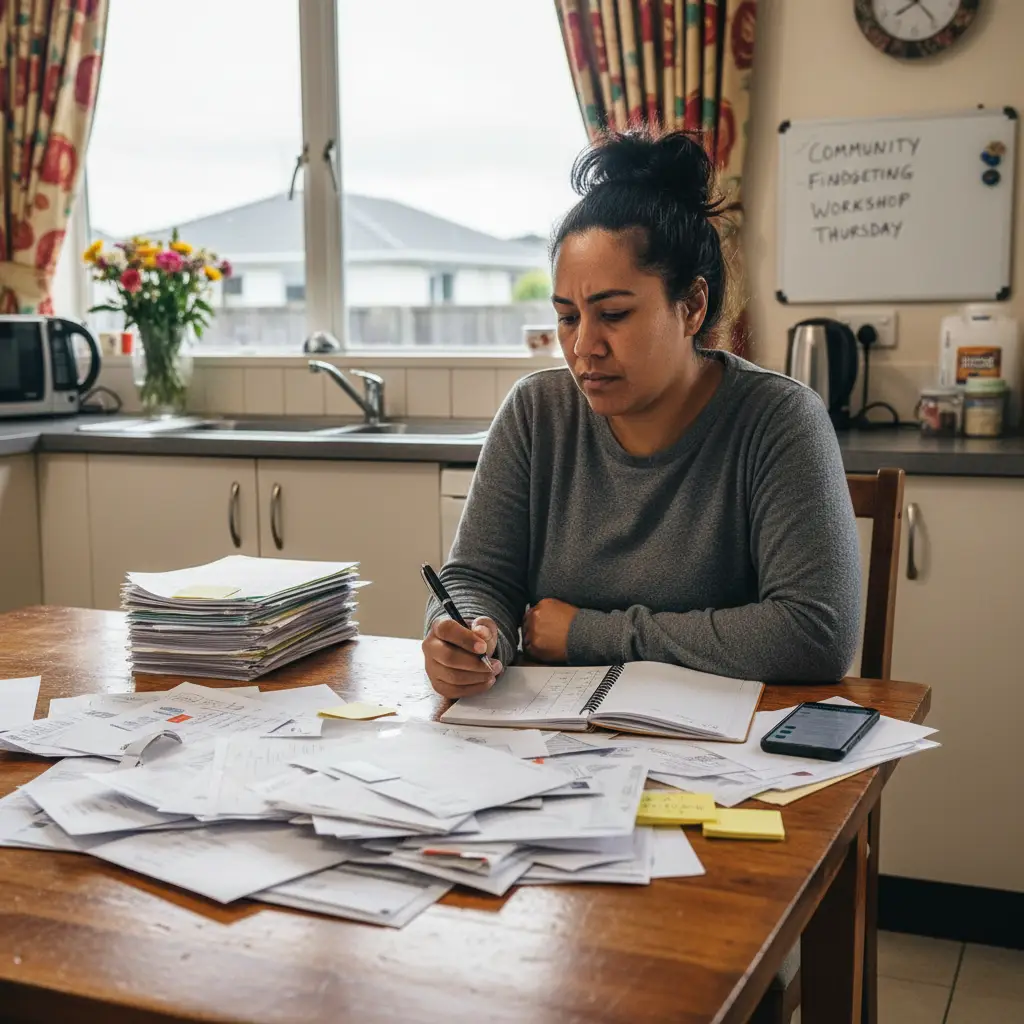
Are you staring at a stack of bills, wondering how to manage overdue bills in NZ without feeling overwhelmed? In South Auckland, navigating financial challenges is a reality for many, and overdue bills can quickly turn into a source of significant stress, leading to late fees, damaged credit, and even more hardship. But it doesn’t have to be this way. This comprehensive guide will equip you with the practical strategies and essential knowledge you need to take control, communicate effectively with service providers, and establish a clear path towards financial stability.
We understand the unique pressures faced by our community. That’s why we’ve designed this resource to be an approachable yet authoritative roadmap, helping you not just tackle current overdue payments but also build habits that prevent future financial headaches. Let’s transform that anxiety into action.
Table of Contents
- Prioritising Bills Effectively
- Communicating with Service Providers
- Setting Up Payment Plans
- Consequences of Unpaid Bills in NZ
- Tips for Preventing Overdue Payments
- Your Action Checklist
- Frequently Asked Questions (FAQ)
- References & Sources
1. Prioritising Bills Effectively
When you have multiple overdue bills, it can feel like you’re drowning. The first step in learning how to manage overdue bills in NZ is to create a clear picture of your situation and prioritise. Not all bills carry the same weight of consequence.
Step 1: List All Your Debts and Due Dates
Gather all your bills, statements, and payment reminders. Create a spreadsheet or a simple list that includes:
- The creditor/service provider (e.g., electricity company, landlord, bank)
- The amount owed
- The original due date
- The current amount overdue (including late fees)
- The contact details for each provider
Step 2: Understand the Consequences of Each Bill
Bills can be categorised by their level of urgency and potential impact if left unpaid:
- High Priority (Essentials with immediate risk): Rent/mortgage, utilities (power, water), essential phone/internet (if critical for work/education), food, secure loans (e.g., car loan, if repossession is a risk). Non-payment here can lead to homelessness, disconnection of essential services, or loss of assets.
- Medium Priority (Important with later impact): Unsecured loans (e.g., credit cards, personal loans), insurance premiums, council rates. Non-payment can lead to late fees, interest accumulation, credit score damage, or debt collection.
- Lower Priority (Less immediate impact): Non-essential subscriptions, fines (though these can escalate), less urgent medical bills (always communicate!).
Key Insight: Always prioritise bills that keep a roof over your head, food on the table, and essential services connected. These are foundational to your well-being.
2. Communicating with Service Providers
One of the most powerful steps you can take when trying to manage overdue bills in NZ is to talk to your creditors. Avoiding calls or letters only makes the situation worse. Most New Zealand companies prefer to work with customers to find a solution rather than resorting to harsh measures.
Step 1: Contact Them Early
The moment you realise you might miss a payment, pick up the phone. The earlier you communicate, the more options you’ll have. Explain your situation honestly but keep it brief.
Step 2: Be Prepared and Specific
Before calling, have your account number, the amount you owe, and your prioritised list handy. Be clear about what you can afford, even if it’s a small amount. Don’t promise more than you can deliver.
What to Ask For:
- Temporary Payment Extension: A short grace period to pay the full amount.
- Partial Payment: Paying a smaller portion now and the rest later.
- Payment Plan: Spreading the overdue amount over several weeks or months (more on this below).
- Fee Waivers: Ask if late fees can be waived, especially if this is your first time missing a payment or if you’re experiencing genuine hardship.
- Hardship Options: Many utility companies and banks have specific hardship policies for customers in financial difficulty.
Stat Callout: A recent study by Financial Capability New Zealand found that over 60% of people who proactively contacted their creditors were able to arrange a more manageable payment solution. Don’t be afraid to ask!

3. Setting Up Payment Plans
For many in South Auckland grappling with how to manage overdue bills in NZ, a structured payment plan is often the most viable solution. This involves agreeing with your creditor to pay off the outstanding amount in smaller, regular instalments over a set period.
Key Considerations for a Payment Plan:
- Affordability: Only agree to payments you genuinely know you can make consistently. Review your budget to determine a realistic amount.
- Terms and Conditions: Understand if interest or additional fees will still be applied. Will the late payment still show on your credit history, or will the provider note that you’ve entered a payment arrangement?
- Get it in Writing: Always request confirmation of your payment plan in writing (email is usually sufficient). This protects both you and the provider.
- Stick to the Plan: Once an agreement is made, make every effort to stick to it. Missing payments on a plan can negate your efforts and make future negotiations harder.
When to Seek External Help for Payment Plans:
If you’re struggling to negotiate directly or have multiple debts, free financial mentors in South Auckland can help you:
- Create a comprehensive budget.
- Negotiate with multiple creditors on your behalf.
- Explore options like debt consolidation or insolvency if necessary.
4. Consequences of Unpaid Bills in NZ
Understanding the full spectrum of consequences is crucial for anyone learning how to manage overdue bills in NZ. Ignoring bills doesn’t make them disappear; it amplifies the problems.
Late Fees and Interest
This is usually the first consequence. Late fees can quickly add up, turning a small overdue amount into a much larger one. Credit cards, for example, often apply high-interest rates to overdue balances.
Impact on Your Credit Score
In New Zealand, your payment history is a major factor in your credit score. Overdue bills, especially those that go to collections, will negatively impact your credit rating. A poor credit score can:
- Make it harder to get loans, mortgages, or credit cards in the future.
- Lead to higher interest rates on any credit you do obtain.
- Affect your ability to get mobile phone plans, internet contracts, or even rent a property.
Stat Callout: Financial mentors report that credit score damage is one of the most common long-term impacts of unmanaged overdue bills, often taking years to repair.
Debt Collection Agencies
If a creditor can’t recover the debt directly, they may sell it to a debt collection agency. These agencies can be persistent and, while they must follow strict guidelines under the Fair Trading Act, their involvement adds another layer of stress.
Legal Action
For significant debts, creditors can take you to court to recover the money. This can result in a court judgment against you, which further damages your credit and can lead to enforcement actions like wage garnishment or property seizure (though these are typically last resorts).
5. Tips for Preventing Overdue Payments
The best way to manage overdue bills in NZ is to prevent them from becoming overdue in the first place. Here are proactive strategies to keep your finances on track.
Step 1: Create and Stick to a Budget
A budget is your most powerful tool. Track your income and all your expenses. This helps you understand exactly where your money is going and identify areas where you can cut back to ensure essential bills are covered.
Step 2: Automate Payments
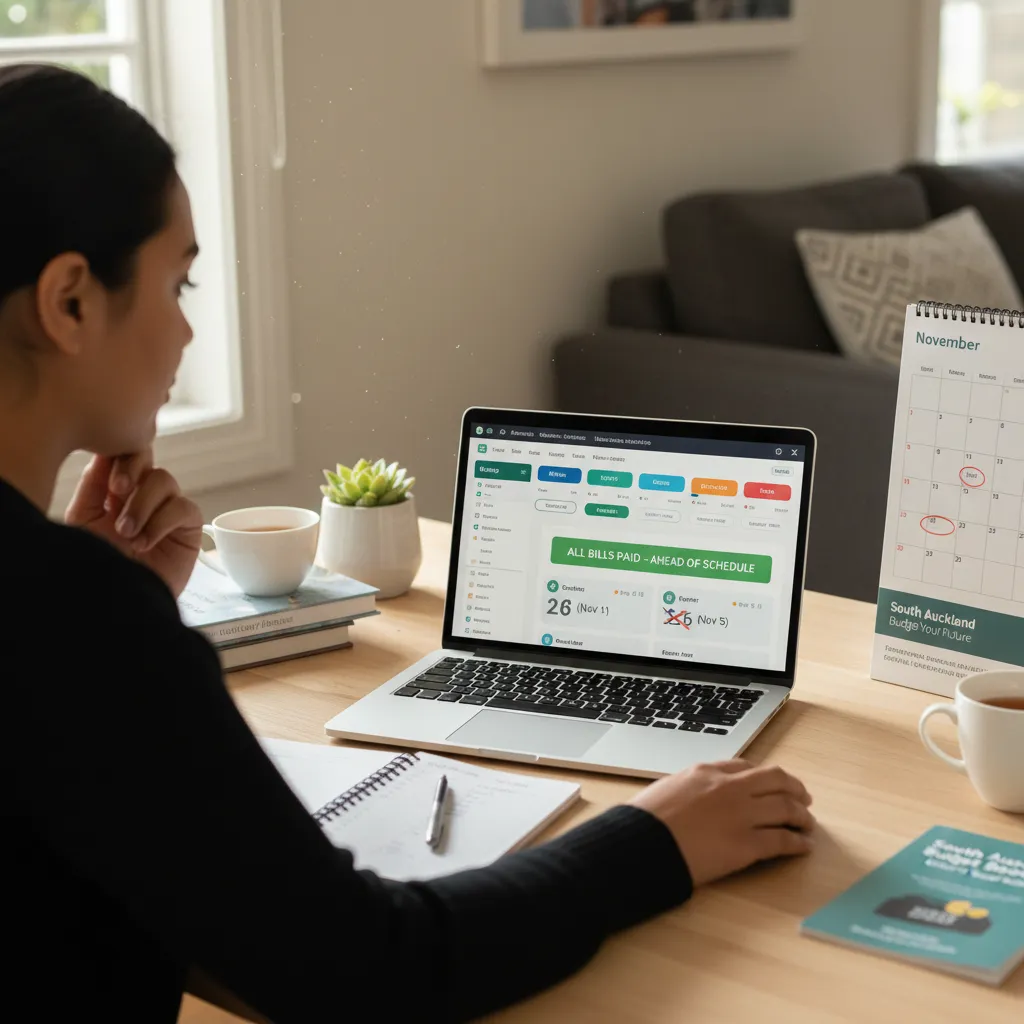
Set up automatic payments or direct debits for regular bills like rent, utilities, and loan repayments. This ensures bills are paid on time without you having to remember each month. Just make sure you always have sufficient funds in your account.
Step 3: Set Reminders
For bills that can’t be automated or vary, set up calendar reminders on your phone or computer a few days before the due date. Many banks and budgeting apps also offer this feature.
Step 4: Build an Emergency Fund
Even a small emergency fund can be a lifeline for unexpected expenses or a temporary dip in income. Aim to save at least $500-1000 to cover minor financial shocks.
Your Action Checklist: How to Manage Overdue Bills NZ
- Gather & List: Collect all overdue bills and list them with amounts, due dates, and contact details.
- Prioritise: Identify essential bills (rent, utilities) and prioritise paying them first.
- Contact Immediately: Call your service providers as soon as you realise you can’t pay.
- Negotiate a Plan: Discuss payment extensions, partial payments, or structured payment plans.
- Get it in Writing: Ensure any agreement is confirmed via email or letter.
- Budget Regularly: Create and stick to a budget to track income and expenses.
- Automate Payments: Set up direct debits for consistent bills to avoid missing due dates.
- Build Savings: Start an emergency fund, even if it’s small, for financial resilience.
- Seek Help: Don’t hesitate to contact a free financial mentor if you feel overwhelmed.
Frequently Asked Questions (FAQ)
1. What happens if I can’t pay a bill on time in New Zealand?
Initially, you’ll likely incur a late fee. If the bill remains unpaid, you might receive reminder notices, calls from the creditor, and eventually, the debt could be passed to a debt collection agency. For essential services like power, disconnection is a risk, while for loans, your credit score will be negatively impacted, and legal action could be pursued for larger debts.
2. Will overdue bills affect my credit score in NZ?
Yes, absolutely. Most creditors report payment behaviour to credit reporting agencies in New Zealand. Overdue bills, especially those that are significantly late or sent to collections, will negatively impact your credit score, making it harder and more expensive to borrow money or get certain services in the future.
3. Can I negotiate a payment plan with my service provider?
In most cases, yes. Many New Zealand service providers are willing to work with customers experiencing financial difficulty. It’s crucial to contact them as soon as possible, explain your situation, and propose a realistic payment plan based on what you can afford. Always try to get the agreed plan in writing.
4. What resources are available for financial help in South Auckland?
South Auckland has several free financial mentoring services. Organisations like FinCap (Financial Capability NZ) can connect you with local services that offer budgeting advice, help with debt management, and advocacy with creditors. Your local Citizens Advice Bureau (CAB) is also a great first point of contact.
5. When should I seek professional financial advice for overdue bills?
You should seek professional advice as soon as you feel overwhelmed, if you have multiple overdue bills, are receiving persistent calls from debt collectors, or if you can’t see a clear path to getting back on track. Free financial mentors can provide impartial, expert guidance tailored to your situation.
References & Sources
- Citizens Advice Bureau (CAB) NZ – Debt and Money: www.cab.org.nz/money-and-debt/
- FinCap (Financial Capability New Zealand) – Find a Financial Mentor: fincap.org.nz/find-a-financial-mentor/
- Commerce Commission New Zealand – Debt Collection: comcom.govt.nz/consumers/consumer-protection/debt-collection
- Sorted.org.nz – Debt and borrowing: www.sorted.org.nz/guides/debt-and-borrowing/
- Credit Simple NZ – What affects your credit score: www.creditsimple.co.nz/blog/what-affects-your-credit-score