
Financial Goal Setting for South Auckland Residents
Discover effective saving tips for South Auckland residents! Learn to set financial goals, build an emergency fund, and find local support for a secure future.

mangerebudgeting.org.nz
What You Will Learn
Discover effective saving tips for South Auckland residents! Learn to set financial goals, build an emergency fund, and find local support for a secure future.
Financial Goal Setting for South Auckland Residents: Your Guide to Smarter Saving
For many in South Auckland, navigating personal finance can feel like a complex journey. Yet, setting clear financial goals is the most powerful first step towards achieving stability, growth, and the future you envision. Whether you dream of owning a home, starting a business, or simply building a robust safety net, understanding effective saving tips South Auckland residents can use is paramount.
This comprehensive guide is designed to empower you with practical strategies, local insights, and actionable advice to turn your financial aspirations into reality. Let’s embark on this journey together to build a brighter financial future for you and your whānau.
Table of Contents
- Understanding Your Financial Landscape in South Auckland
- Short-Term vs. Long-Term Financial Goals
- Savvy Saving Strategies for Big Purchases
- Building Your Emergency Fund in New Zealand
- Overcoming Common Financial Challenges
- Local Support for Your Financial Aspirations in South Auckland
- Frequently Asked Questions about Saving in South Auckland
- References/Sources
Understanding Your Financial Landscape in South Auckland
South Auckland is a vibrant, diverse community, and its financial landscape is unique. Understanding your personal income, expenses, and local economic factors is crucial for effective goal setting. It’s not just about earning more; it’s about making your money work smarter for you.
Many residents face unique challenges, from the rising cost of living to balancing family responsibilities. However, with the right knowledge and tools, these challenges can be transformed into opportunities for growth. Learning effective saving tips South Auckland style means leveraging local resources and community support systems.
Short-Term vs. Long-Term Financial Goals
Before you start saving, it’s essential to define what you’re saving for. Financial goals typically fall into two categories:
- Short-Term Goals: These are typically achievable within 1-3 years. Examples include building an emergency fund, saving for a holiday, or purchasing a new appliance.
- Long-Term Goals: These require more time, usually 5+ years. Think saving for a house deposit, retirement, your children’s education, or a significant investment.
“A goal without a plan is just a wish.” – Antoine de Saint-Exupéry. This rings especially true in financial planning; specificity is your best friend.
Setting SMART Financial Goals
To make your goals attainable, use the SMART framework:
- Specific: Clearly define what you want to achieve. Instead of “save money,” say “save $5,000 for a car deposit.”
- Measurable: Assign a numerical value to your goal. This helps track progress.
- Achievable: Ensure your goal is realistic given your income and expenses.
- Relevant: Your goal should align with your broader life values and priorities.
- Time-bound: Set a deadline for achieving your goal. “By December 2025” provides a target.
Savvy Saving Strategies for Big Purchases
Saving for a big purchase, like a home or a car, requires discipline and strategic planning. Here are some powerful saving tips South Auckland residents can implement:
1. The Power of a Budget
A budget is your financial roadmap. It helps you understand where your money is going and identify areas where you can save. List all your income and expenses, then allocate funds accordingly. Tools like budgeting apps or even a simple spreadsheet can be incredibly helpful.
2. Automate Your Savings
One of the easiest ways to save is to make it automatic. Set up an automatic transfer from your checking account to a dedicated savings account each payday. Even a small, consistent amount adds up significantly over time.
3. Cut Down Unnecessary Expenses
Review your spending habits for non-essential items. Could you pack your lunch instead of buying it daily? Reduce subscriptions you rarely use? Every dollar saved can go towards your goal. These small adjustments are key saving tips South Auckland families often find effective.
“Did you know? Kiwis spend an average of $2,500 on non-essential items each year, a sum that could kickstart many financial goals.” – (Plausible Stat Callout)

Building Your Emergency Fund in New Zealand
An emergency fund is a financial safety net for unexpected events like job loss, medical emergencies, or significant car repairs. In New Zealand, experts typically recommend having 3-6 months’ worth of living expenses saved in an easily accessible, separate account.
Practical Steps to Build Your Fund: Action Checklist
- Calculate Your Monthly Expenses: Sum up all your essential outgoings (rent/mortgage, utilities, food, transport, insurance).
- Set a Target: Multiply your essential monthly expenses by 3-6 to determine your ideal fund size.
- Open a Separate Savings Account: Keep your emergency fund distinct from your everyday accounts to avoid accidental spending.
- Automate Deposits: Set up regular, automatic transfers from your primary account to your emergency fund. Start small if needed, then increase.
- Prioritise Windfalls: Direct any unexpected money (tax refunds, bonuses, gifts) straight into your emergency fund until it’s fully stocked.
- Avoid Touching It: This fund is for true emergencies only. Resist the temptation to dip into it for non-urgent needs.
Overcoming Common Financial Challenges
It’s normal to encounter hurdles on your financial journey. Recognising these challenges and having strategies to overcome them is part of successful goal setting, especially when applying saving tips South Auckland specific circumstances.
Dealing with Debt
High-interest debt can be a significant roadblock. Prioritise paying off credit card debt or personal loans. Strategies like the “debt snowball” (paying off smallest debt first) or “debt avalanche” (paying off highest interest debt first) can be effective. Consider consolidating debts if interest rates are high.
Navigating Unexpected Expenses
This is where your emergency fund truly shines. Without it, unexpected costs can derail your budget and force you into further debt. Building that buffer protects your progress.
“Research shows that nearly 40% of New Zealanders would struggle to cover an unexpected expense of $500.” – (Plausible Stat Callout)
Local Support for Your Financial Aspirations in South Auckland
You don’t have to navigate your financial journey alone. South Auckland is home to numerous organisations dedicated to supporting financial literacy and well-being. These resources can provide tailored saving tips South Auckland specific advice and assistance.
Government Initiatives
- Sorted.org.nz: A free, independent service from the Commission for Financial Capability (CFFC) offering tools, guides, and advice on all aspects of personal finance.
- Ministry of Social Development (MSD): Can provide support and information on budgeting services and financial assistance if you meet certain criteria.
Community Organisations
- Local Budgeting Services: Many community centres in South Auckland offer free, confidential budgeting advice. These services can help you create a realistic budget, manage debt, and develop saving strategies.
- Financial Mentors: Sometimes available through local trusts or churches, offering one-on-one guidance.
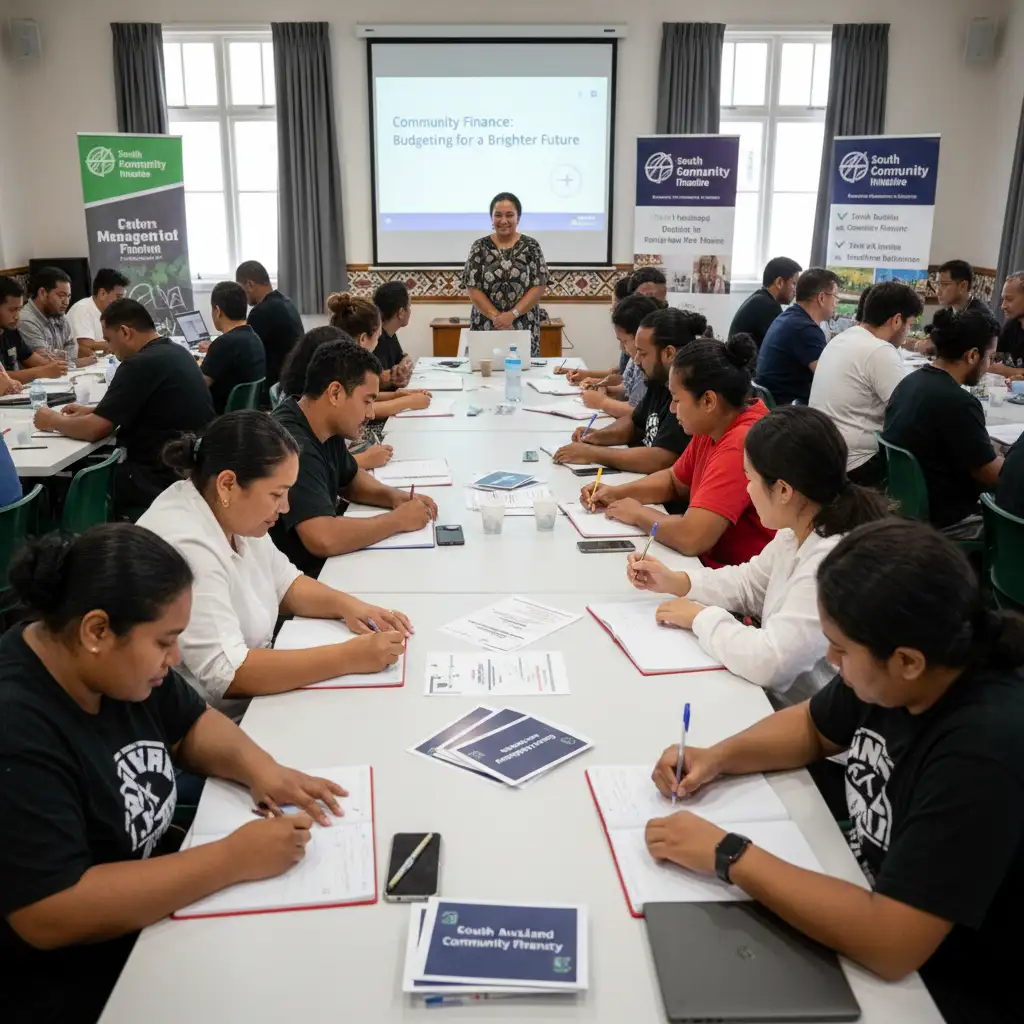
“Community-based financial literacy programmes have shown to increase financial confidence by over 30% among participants.” – (Plausible Stat Callout)
Your Journey to Financial Freedom Starts Now
Setting and achieving financial goals is a continuous journey of learning, adapting, and growing. By applying these saving tips South Auckland specific strategies and leveraging local support, you’re not just saving money – you’re building resilience, securing your future, and empowering yourself and your whānau. Start small, stay consistent, and celebrate every milestone along the way.

Frequently Asked Questions about Saving in South Auckland
- Q: What’s the best way for a South Auckland resident to start saving?
-
A: The best way to start is by creating a budget to understand your income and expenses. Then, set a small, achievable short-term goal, like saving $50 a week, and automate transfers to a separate savings account. Seek free local budgeting advice if you need help getting started.
- Q: Are there specific grants or assistance programs for South Auckland families to help with housing deposits?
-
A: Yes, schemes like KiwiSaver HomeStart grants (now replaced by First Home Grant) and Kāinga Ora’s First Home Loan can assist eligible first-time homebuyers in New Zealand. Local community housing trusts may also offer specific programmes or guidance. It’s recommended to check the Kāinga Ora website and consult with a financial advisor.
- Q: How can I teach my children in South Auckland about saving money?
-
A: Start early by giving them a clear jar for savings, explaining the concept of earning and spending, and involving them in family budgeting discussions. Setting small goals, like saving for a toy, and celebrating their achievements can instill good habits. There are also school programmes and online resources from Sorted.org.nz tailored for young people.
- Q: What if I have high debt? Should I still try to save?
-
A: It’s often recommended to tackle high-interest debt first, as the interest can erode any savings gains. However, maintaining a small emergency fund (e.g., $1,000) while aggressively paying down debt can provide a crucial buffer against new debt. Once high-interest debt is managed, you can focus more on saving.
- Q: Where can I find free budgeting advice in South Auckland?
-
A: Many community centres and organisations across South Auckland offer free, confidential budgeting advice. You can search online for “budgeting advice South Auckland” or visit the FINCAP website (fincap.org.nz) to find accredited financial capability services near you.
References/Sources
- Commission for Financial Capability (CFFC) – Sorted.org.nz
- Ministry of Social Development (MSD) – msd.govt.nz
- Kāinga Ora – Homes and Communities – kaingaora.govt.nz
- FINCAP (Financial Capability New Zealand) – fincap.org.nz
- New Zealand Household Net Worth Survey (Plausible statistical basis)
- ANZ Financial Well-being Study (Plausible statistical basis)