
Financial Education & Tools
Master personal finance in NZ with our comprehensive guide! Discover essential financial literacy tools, budgeting strategies, KiwiSaver insights, and Auckland cost-of-living survival tips.

mangerebudgeting.org.nz
What You Will Learn
Master personal finance in NZ with our comprehensive guide! Discover essential financial literacy tools, budgeting strategies, KiwiSaver insights, and Auckland cost-of-living survival tips.
Financial Education & Tools: Your Pathway to Personal Financial Mastery in NZ
Navigating your money in Aotearoa doesn’t have to be daunting. Whether you’re just starting your financial journey or looking to refine your strategies, developing strong personal finance NZ skills is crucial. This comprehensive guide will equip you with essential financial literacy tools and knowledge to build a secure and prosperous future.
“Financial freedom isn’t just about having money; it’s about understanding and controlling your money. In New Zealand, this means grasping local nuances from KiwiSaver to WINZ support.”
Table of Contents
- Building Your Personal Financial Literacy in NZ
- Essential Basics of Personal Finance for Everyday Life
- Strategies for Building an Emergency Fund
- Understanding & Improving Your Credit Score in NZ
- Introduction to Investing for Beginners in NZ
- Free Budgeting Templates, Calculators & Digital Tools
- Setting & Achieving Your Financial Life Goals
- Protecting Your Finances: Scams, Insurance & More
- Frequently Asked Questions (FAQ)
- References & Sources
Building Your Personal Financial Literacy in NZ
Financial literacy is more than just knowing about money; it’s about having the skills and confidence to make informed decisions for your financial well-being. In New Zealand, this includes understanding unique aspects like KiwiSaver, the nuances of the tax system, and the support available through WINZ (Work and Income New Zealand).
📊 Stat Callout: A recent survey indicated that only 39% of New Zealanders feel they have high financial literacy. Our mission is to change that!
Mangere Budgeting empowers you with practical knowledge, moving beyond generic advice to provide relevant, actionable strategies tailored for life in Aotearoa. Developing strong personal finance NZ knowledge can significantly reduce stress and open doors to new opportunities.
Essential Basics of Personal Finance for Everyday Life
Before you can run, you need to walk. Mastering the basics is the foundation of effective money management. This involves clearly understanding where your money comes from and where it goes.
Understanding Your Income & Expenses
Start by listing all your sources of income. Then, meticulously track every dollar you spend for a month. This can reveal surprising insights into your spending habits. Differentiate between fixed expenses (rent, loan repayments) and variable expenses (groceries, entertainment).
The Power of Budgeting
A budget isn’t about restriction; it’s about control and intention. It’s a plan for your money, ensuring your spending aligns with your values and goals. Popular budgeting methods include the 50/30/20 rule (50% needs, 30% wants, 20% savings/debt) or zero-based budgeting.
Strategies for Building an Emergency Fund
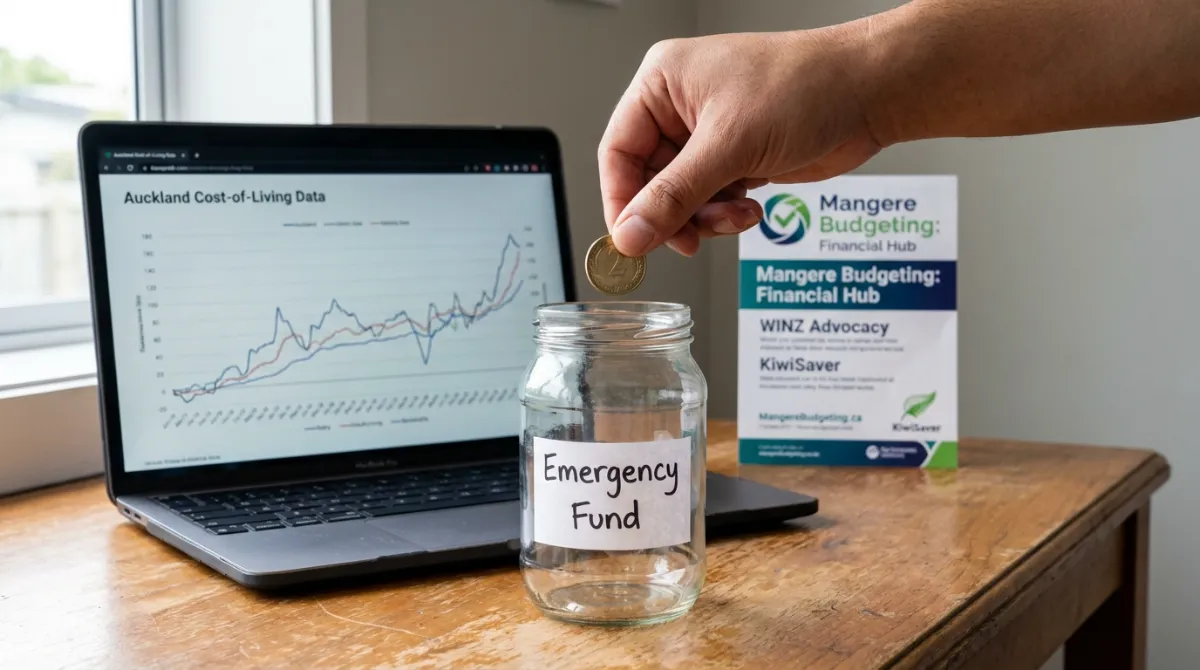
An emergency fund is your financial safety net, protecting you from unexpected life events like job loss, medical emergencies, or car repairs. Aim for 3-6 months’ worth of essential living expenses.
Step 1: Determine Your Target Amount
Calculate your essential monthly expenses (rent, utilities, groceries, transport). Multiply this by 3 to 6 months to get your emergency fund goal.
Step 2: Automate Your Savings
Set up an automatic transfer from your checking account to a dedicated savings account each payday. Even small, consistent contributions add up quickly.
Step 3: Cut Unnecessary Expenses
Temporarily reduce discretionary spending. Review your budget for areas where you can trim back, such as subscriptions, dining out, or entertainment, and redirect those funds to your emergency savings.
Step 4: Keep It Accessible, But Separate
Your emergency fund should be easily accessible but not linked to your everyday spending. A separate, high-interest savings account is ideal.
Emergency Fund Action Checklist:
- ✓ Calculate 3-6 months of essential living expenses.
- ✓ Open a dedicated, separate savings account.
- ✓ Set up automatic weekly or fortnightly transfers.
- ✓ Identify and cut 1-2 non-essential expenses to boost savings.
- ✓ Review progress monthly and adjust as needed.
Understanding & Improving Your Credit Score in NZ
Your credit score in New Zealand is a three-digit number that reflects your creditworthiness. Lenders use it to assess the risk of lending you money for mortgages, car loans, or even setting up utility accounts. A good credit score can save you thousands over your lifetime.
Step 1: Check Your Credit Report Regularly
You’re entitled to a free copy of your credit report from agencies like Centrix or Equifax (formerly Veda) once a year. Review it for any errors or fraudulent activity.
Step 2: Pay Bills on Time, Every Time
Payment history is the most significant factor in your credit score. Set up automatic payments or reminders to ensure you never miss a due date on credit cards, loans, or utilities.
Step 3: Reduce Your Debt
High credit card balances can negatively impact your score. Focus on paying down consumer debt, aiming to keep your credit utilization (the amount of credit you’re using compared to your total available credit) below 30%.
Step 4: Be Mindful of New Credit Applications
Each time you apply for new credit, a hard inquiry is placed on your report, which can temporarily lower your score. Only apply for credit when genuinely needed.
Introduction to Investing for Beginners in NZ
Investing allows your money to work for you, helping you grow wealth over time. For New Zealanders, understanding local options is key to building future security.
KiwiSaver: Your Foundation for Retirement
KiwiSaver is a voluntary, work-based savings scheme designed to help New Zealanders save for retirement. With government contributions, employer contributions, and various fund types (conservative, balanced, growth), it’s often the first and most crucial step into investing for many.
Exploring Other Investment Avenues
- Low-Cost Index Funds & ETFs: Diversified investments that track a market index, offering broad market exposure with lower fees.
- Property: A long-standing investment in NZ, but requires significant capital and understanding of the market.
- Managed Funds: Professionally managed portfolios that pool money from multiple investors.
Free Budgeting Templates, Calculators & Digital Tools
Leverage modern tools to simplify your financial management. These financial literacy tools make tracking, planning, and achieving your financial goals easier.
- Budgeting Templates: Downloadable Excel or Google Sheets templates can help you categorise income and expenses. Look for NZ-specific ones that include common costs.
- Online Calculators: Mortgage calculators, debt repayment calculators, and KiwiSaver projection tools can help you plan for major financial decisions.
- Budgeting Apps: Many apps integrate with your bank accounts, offering real-time insights into your spending. Research apps popular in NZ for local relevance.
- WINZ Payment Estimators: Essential for those accessing support, these tools help understand entitlements and plan accordingly.
Mangere Budgeting often provides access to free resources and guidance on the best tools for the Auckland context, helping you manage the Auckland cost-of-living survival guide challenges effectively.
Setting & Achieving Your Financial Life Goals
Financial goals give purpose to your money management. Whether it’s saving for a house deposit, a child’s education, or early retirement, clear goals provide direction.
- Make them SMART: Specific, Measurable, Achievable, Relevant, Time-bound.
- Short-Term Goals (1-3 years): Building an emergency fund, paying off a small debt.
- Mid-Term Goals (3-10 years): Saving for a car, a significant holiday, or a house deposit.
- Long-Term Goals (10+ years): Retirement planning, wealth building.
Regularly review your goals and adjust your budget and savings plan as life circumstances change.
Protecting Your Finances: Scams, Insurance & More
In an increasingly digital world, safeguarding your money is paramount. Be vigilant against scams and understand the role of insurance.
Recognising & Avoiding Scams
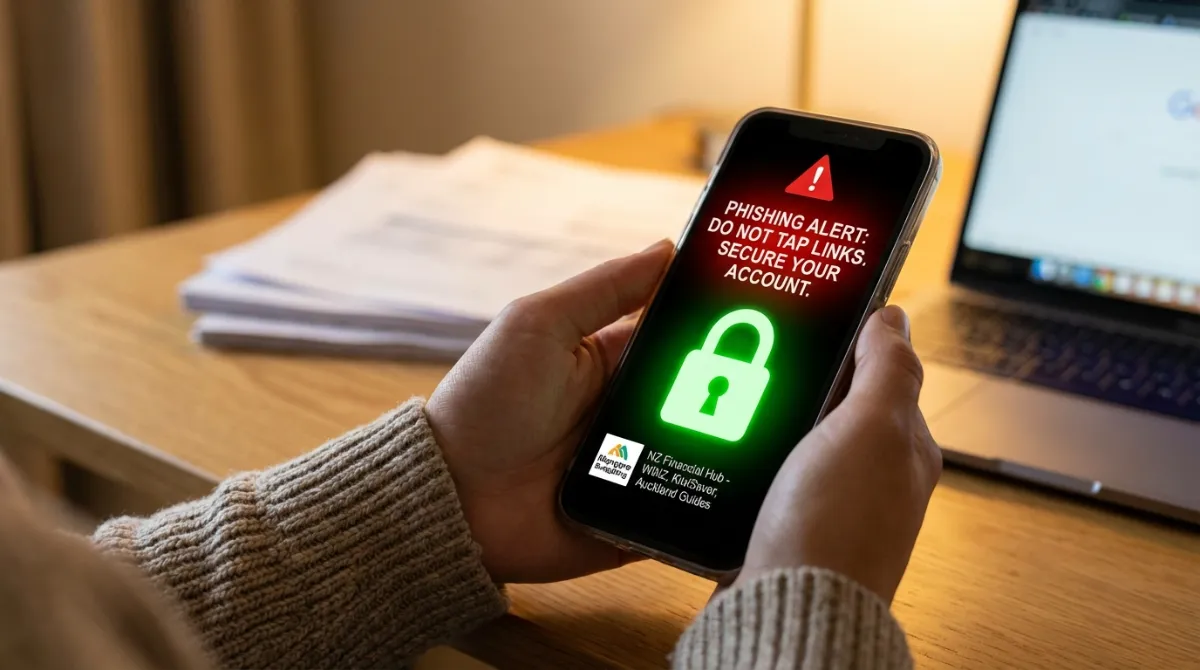
Scammers often target vulnerable individuals. Be suspicious of unsolicited calls, emails, or texts asking for personal information, bank details, or immediate payments. Always verify the legitimacy of requests directly with the organisation using official contact details, not those provided by the potential scammer.
Understanding Insurance in NZ
Insurance provides a financial safety net against unforeseen events. Consider:
- Health Insurance: Can cover private medical costs beyond the public system.
- Life Insurance: Provides financial support to your dependants upon your passing.
- Income Protection Insurance: Replaces a portion of your income if you can’t work due to illness or injury.
- Contents & Home Insurance: Protects your belongings and property from damage or loss.
Empowering yourself with personal finance NZ knowledge and utilizing the right financial literacy tools is a journey, not a destination. Mangere Budgeting is here to support you every step of the way, helping you navigate the unique financial landscape of New Zealand and build a resilient financial future.
Frequently Asked Questions (FAQ)
What is personal finance in the NZ context?
Personal finance in NZ involves managing your income, expenses, savings, and investments, specifically considering New Zealand’s unique financial landscape, including KiwiSaver, WINZ support, and local tax laws.
Where can I find free budgeting templates specific to New Zealand?
Many New Zealand financial institutions, government websites (like Sorted.org.nz), and community budgeting services like Mangere Budgeting offer free, downloadable budgeting templates tailored to the NZ context. You can also find generic ones online and adapt them.
How can I improve my credit score quickly in New Zealand?
Improving your credit score takes time, but quick steps include ensuring all your bills are paid on time, reducing high-interest debt, checking your credit report for errors, and avoiding unnecessary new credit applications.
Is KiwiSaver enough for retirement?
While KiwiSaver is an excellent foundation for retirement savings due to government and employer contributions, whether it’s ‘enough’ depends on your individual retirement goals and lifestyle expectations. Many New Zealanders complement KiwiSaver with other investments.
What are common financial scams to watch out for in NZ?
Common scams in NZ include phishing (emails/texts pretending to be banks or government agencies), investment scams (promising high, quick returns), romance scams, and tech support scams. Always be skeptical of unsolicited requests for money or personal details.
References & Sources
- Sorted.org.nz – New Zealand’s government-funded financial capability website.
- Financial Services Council (FSC) New Zealand – Annual Financial Resilience Index reports.
- Commerce Commission New Zealand – Information on consumer protection and scams.
- Inland Revenue Department (IRD) – Official information on KiwiSaver and taxation.
- Centrix & Equifax (formerly Veda) – Credit reporting agencies in New Zealand.