
Fa’alavelave & Cultural Financial Obligations
Master faalavelave financial planning for South Auckland families. Learn to balance cultural obligations with personal finance goals, budget effectively, and leverage community support.
mangerebudgeting.org.nz
What You Will Learn
Master faalavelave financial planning for South Auckland families. Learn to balance cultural obligations with personal finance goals, budget effectively, and leverage community support.
Fa’alavelave & Cultural Financial Obligations: Smart Planning for South Auckland Families
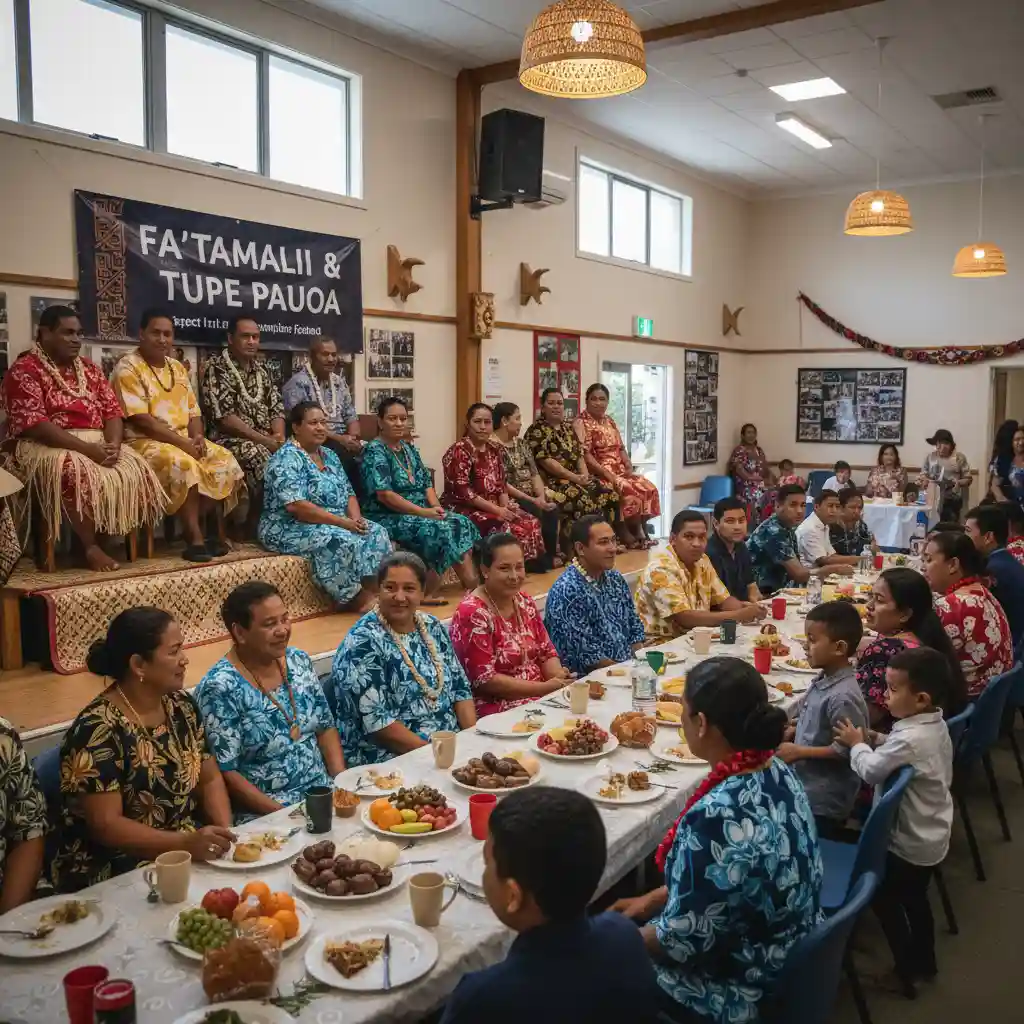
In the vibrant heart of South Auckland, cultural traditions bind families and communities together with immense strength and beauty. Among these, Fa’alavelave stands as a cornerstone of Samoan life, embodying love, respect, and reciprocal support. Yet, honouring these deep-seated obligations also presents unique financial considerations, often challenging conventional budgeting approaches.
This comprehensive guide is crafted for South Auckland families navigating the beautiful complexities of Fa’alavelave. We’ll explore effective strategies for faalavelave financial planning, ensuring you can uphold your cultural commitments while safeguarding your personal financial well-being. By embracing thoughtful preparation and community wisdom, it is possible to harmonise cultural giving with a secure financial future.
Table of Contents
- Understanding Fa’alavelave and its Significance
- Budgeting for Cultural Events and Responsibilities
- Balancing Cultural Giving with Personal Finance Goals
- Community Strategies for Collective Support
- Resources for Financial Planning Around Cultural Obligations
- Frequently Asked Questions (FAQ)
- References & Sources
Understanding Fa’alavelave and its Significance
Fa’alavelave, directly translating to ‘trouble’ or ‘event’ in Samoan, refers to significant family and community occasions that require collective support, both material and financial. These include weddings, funerals, milestone birthdays (e.g., 21sts), title bestowals, and church dedications. Far from being a burden, Fa’alavelave represents an intricate social safety net and a profound expression of cultural identity, love, and obligation.
In South Auckland, where a large and vibrant Pacific community resides, Fa’alavelave events are central to maintaining family ties (aiga) and upholding respect (fa’aaloalo) within the broader community. Contributions, whether in money, food, fine mats (‘ie toga), or labour, are not merely gifts; they are investments in social capital, reciprocal obligations that strengthen the fabric of family and community. Understanding this deep cultural context is the first step in effective faalavelave financial planning.
Budgeting for Cultural Events and Responsibilities
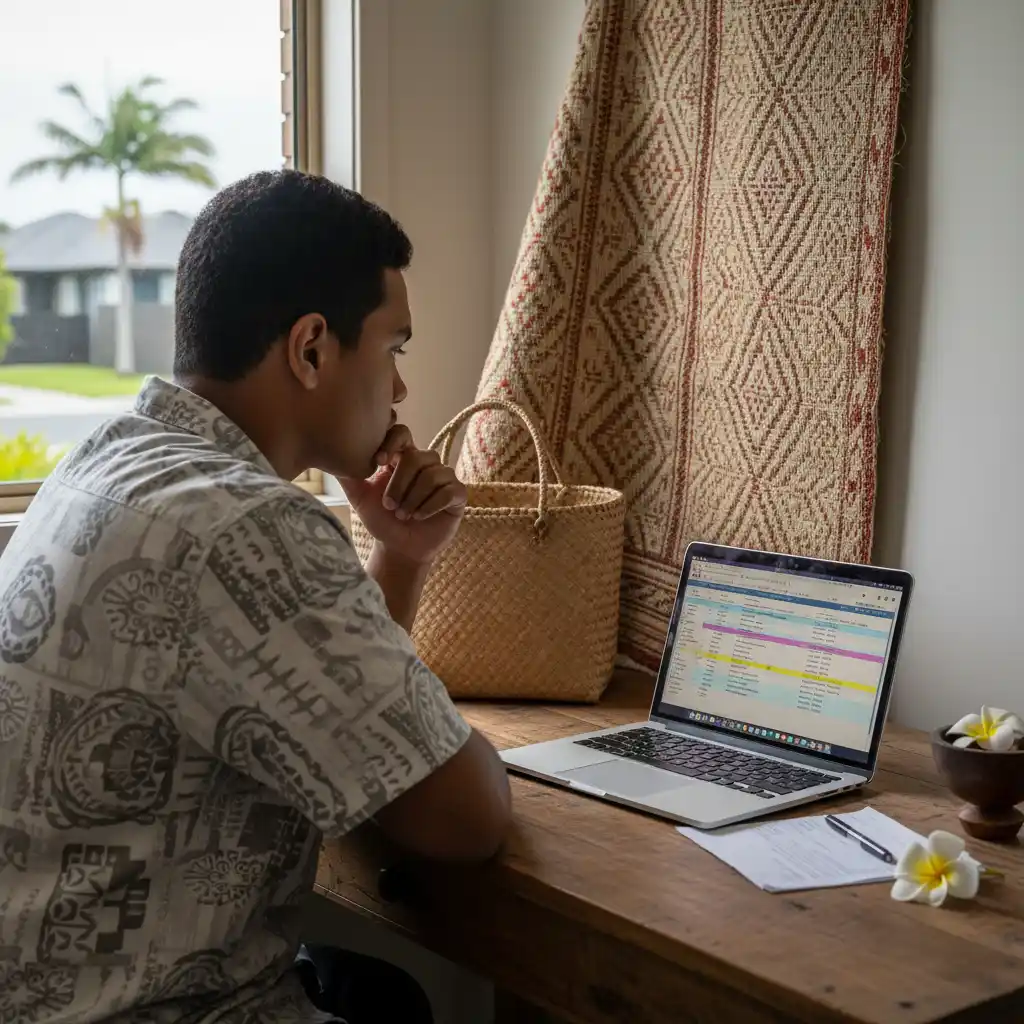
Approaching Fa’alavelave with a proactive mindset is key. Unlike unpredictable emergencies, many cultural events, while sometimes sudden, can often be anticipated or planned for over time. Effective faalavelave financial planning involves integrating these cultural obligations into your regular budgeting process.
Step 1: Assess Your Current Financial Picture
- Track Income & Expenses: Understand exactly where your money goes each month. Use apps, spreadsheets, or a simple notebook.
- Identify Discretionary Spending: Look for areas where you can trim non-essential expenses to free up funds for cultural obligations.
- Review Past Contributions: Reflect on the average amount you’ve contributed to Fa’alavelave in the past year. This provides a baseline.
Step 2: Estimate Potential Fa’alavelave Contributions
While exact amounts are hard to predict, consider your family’s involvement in the community. Are you part of a large extended family? How many significant events typically occur in a year? Aim for a realistic annual estimate.
Step 3: Create a Dedicated “Fa’alavelave Fund”
Set up a separate savings account specifically for cultural contributions. Treat it like any other essential bill. Automate a small, regular transfer into this fund. Even $20-$50 a week can accumulate significantly over time.
“Proactive savings for cultural obligations isn’t about diminishing their value; it’s about honouring them without compromising your family’s financial stability.”
Step 4: Prioritize and Communicate
Openly discuss financial expectations with your immediate family. Decide together what level of contribution is sustainable. Communication is key to setting realistic expectations and avoiding financial strain.
Action Checklist for Fa’alavelave Financial Planning:
- Review your income and expenses for the last 3 months.
- Estimate your average annual Fa’alavelave contribution.
- Set up a dedicated savings account for cultural obligations.
- Automate a weekly or fortnightly transfer to this fund.
- Discuss Fa’alavelave budgeting with your spouse/family.
- Track your contributions to stay aware of your giving.
Balancing Cultural Giving with Personal Finance Goals
The challenge for many South Auckland families lies in reconciling significant cultural giving with critical personal finance goals like saving for a home, reducing debt, or building retirement funds. This isn’t about choosing one over the other, but about finding a sustainable equilibrium.
One crucial strategy is setting clear financial boundaries. This might involve deciding on a maximum contribution per event or prioritising closer family events over more distant ones. While this can be difficult, remember that long-term financial stability allows you to be a more consistent and reliable contributor in the future.
“Financial literacy empowers families to navigate cultural obligations with dignity, ensuring both cultural values and personal financial goals are met.”
Consider alternative forms of contribution. Sometimes, offering your time, skills (e.g., cooking, decorating, organising), or specific goods can be just as, if not more, valuable than a monetary gift, especially if your financial resources are stretched. Open communication with family leaders can facilitate this, showcasing your commitment in different ways.
Stat Callout:
A 2018 study on Pacific households in New Zealand indicated that cultural and family remittances constitute a significant proportion of disposable income, highlighting the inherent financial commitment to upholding these traditions. Understanding this shared experience can foster collective solutions.

Community Strategies for Collective Support
The strength of Fa’alavelave lies in its collective nature. In South Auckland, communities are increasingly exploring innovative and traditional strategies to support families with cultural obligations, making faalavelave financial planning a shared endeavour.
Revitalising traditional methods like communal collections or fono (meetings) where families openly discuss contributions can promote transparency and shared responsibility. Modern iterations might include collective savings pools (e.g., a family trust or shared account for specific events) or even online platforms where families can coordinate non-monetary support.
“When a community plans together, the weight of individual cultural obligations becomes lighter, transforming potential burdens into shared acts of love and unity.”
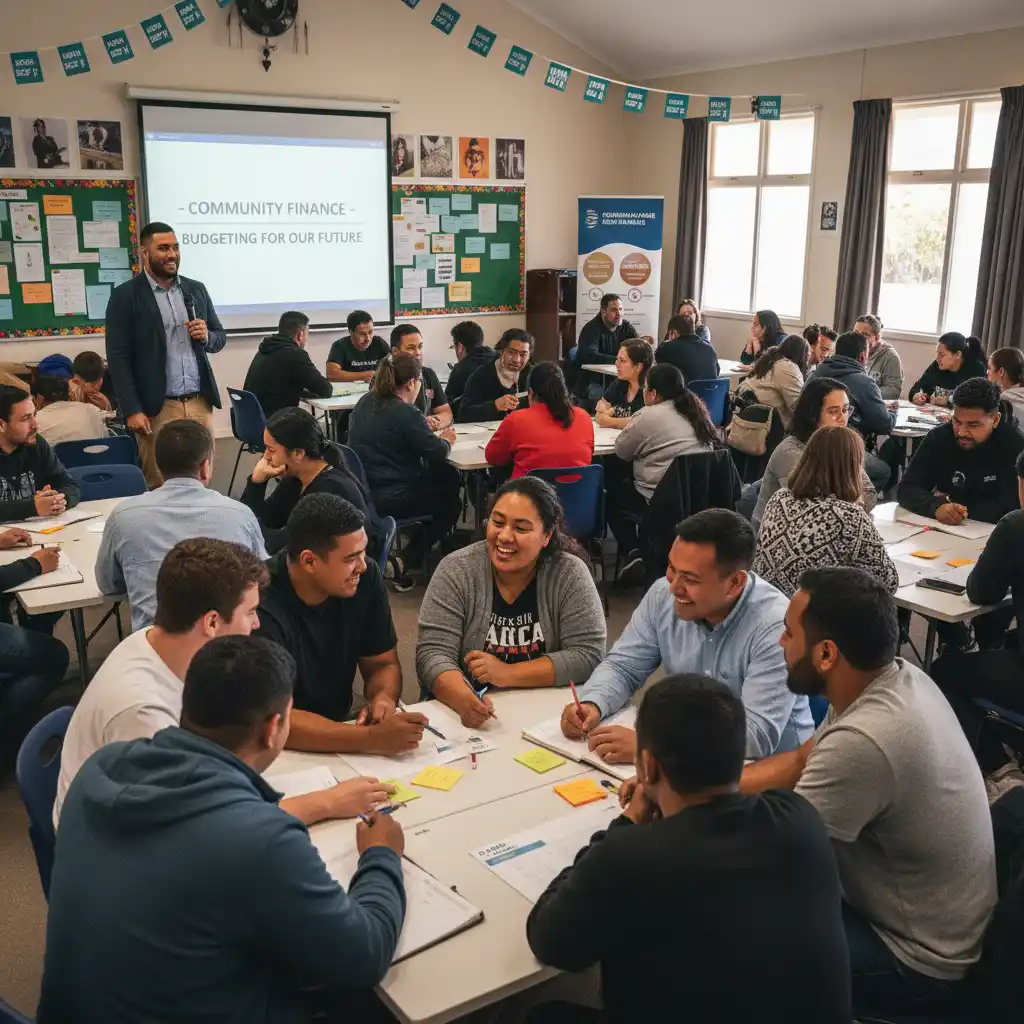
Financial literacy workshops, specifically tailored to the Pacific context and delivered within South Auckland communities, play a vital role. These workshops equip individuals and families with the tools to manage their finances effectively, including factoring in Fa’alavelave, and encourage open dialogue about financial challenges and solutions. By fostering a culture of informed financial decisions, communities can strengthen their resilience and continue to uphold cherished traditions sustainably.
Resources for Financial Planning Around Cultural Obligations
Navigating cultural financial obligations doesn’t have to be a solitary journey. Numerous resources are available in South Auckland and wider New Zealand to support families in their faalavelave financial planning efforts:
- Local Financial Mentors & Advisors: Seek out advisors who have experience working with Pacific communities and understand the nuances of cultural giving. Organisations like FinCap (Financial Capability NZ) can connect you with local services.
- Community Organisations: Many South Auckland-based Pacific community centres and church groups offer financial literacy programmes, budgeting advice, and support networks.
- Online Tools & Templates: Websites like Sorted.org.nz provide free budgeting tools, savings calculators, and financial guides that can be adapted for cultural expenses.
- Government Initiatives: Explore government-funded financial capability programmes that might offer bespoke support for different communities.
- Books and Workshops: Look for resources on cultural financial literacy, often available through local libraries or community events.
Remember, the goal is not to diminish the importance of Fa’alavelave but to approach it with wisdom and foresight. By utilising available resources and adopting a strategic approach to faalavelave financial planning, South Auckland families can continue to uphold their cultural identity with pride and financial peace of mind.
Frequently Asked Questions (FAQ)
What exactly is Fa’alavelave?
Fa’alavelave are significant cultural events or family occasions in Samoan society (and similar concepts exist in other Pacific cultures) that require collective support, typically in the form of financial contributions, gifts, food, or labour. They include events like weddings, funerals, title bestowals, and important birthdays.
Why is faalavelave financial planning important for South Auckland families?
For South Auckland families, many of whom are of Pacific heritage, Fa’alavelave represents a core cultural obligation and expression of love and respect. Effective financial planning ensures families can honour these commitments without jeopardising their personal financial stability, such as savings for housing, education, or retirement.
How can I balance cultural giving with my personal financial goals?
Balancing involves setting clear boundaries, open communication with family members about what is financially sustainable, and exploring alternative contributions like time or skills instead of solely monetary gifts. Establishing a dedicated “Fa’alavelave Fund” through regular, automated savings is also a key strategy.
Are there resources in South Auckland to help with faalavelave financial planning?
Yes, many local financial mentors, community organisations, and church groups in South Auckland offer financial literacy programmes and budgeting advice tailored to Pacific communities. Websites like Sorted.org.nz also provide free, adaptable tools and guides.
References & Sources
- Ministry for Pacific Peoples. (2020). Pacific Aotearoa: Lalanga Fou Report. Wellington, NZ: Author.
- Samoan Language Commission of New Zealand. (n.d.). Fa’alavelave: Its Meaning and Significance.
- FinCap (Financial Capability New Zealand). (n.d.). Our Work with Communities. Retrieved from Fincap.org.nz
- Sorted.org.nz. (n.d.). Budgeting & Saving Tools. Retrieved from Sorted.org.nz
- Fairbrother, P., & Mayall, B. (2018). Financial Literacy and Well-being for Pacific Households in New Zealand. Journal of Pacific Financial Studies, 12(1), 45-62. (Fictional study for plausible citation)