
Fa’alavelave & Cultural Financial Obligations
Master faalavelave financial planning in South Auckland. Learn to budget for cultural obligations, balance giving with personal finance goals, and access local support. Read more!
mangerebudgeting.org.nz
What You Will Learn
Master faalavelave financial planning in South Auckland. Learn to budget for cultural obligations, balance giving with personal finance goals, and access local support. Read more!
Fa’alavelave & Cultural Financial Obligations: Smart Financial Planning for South Auckland
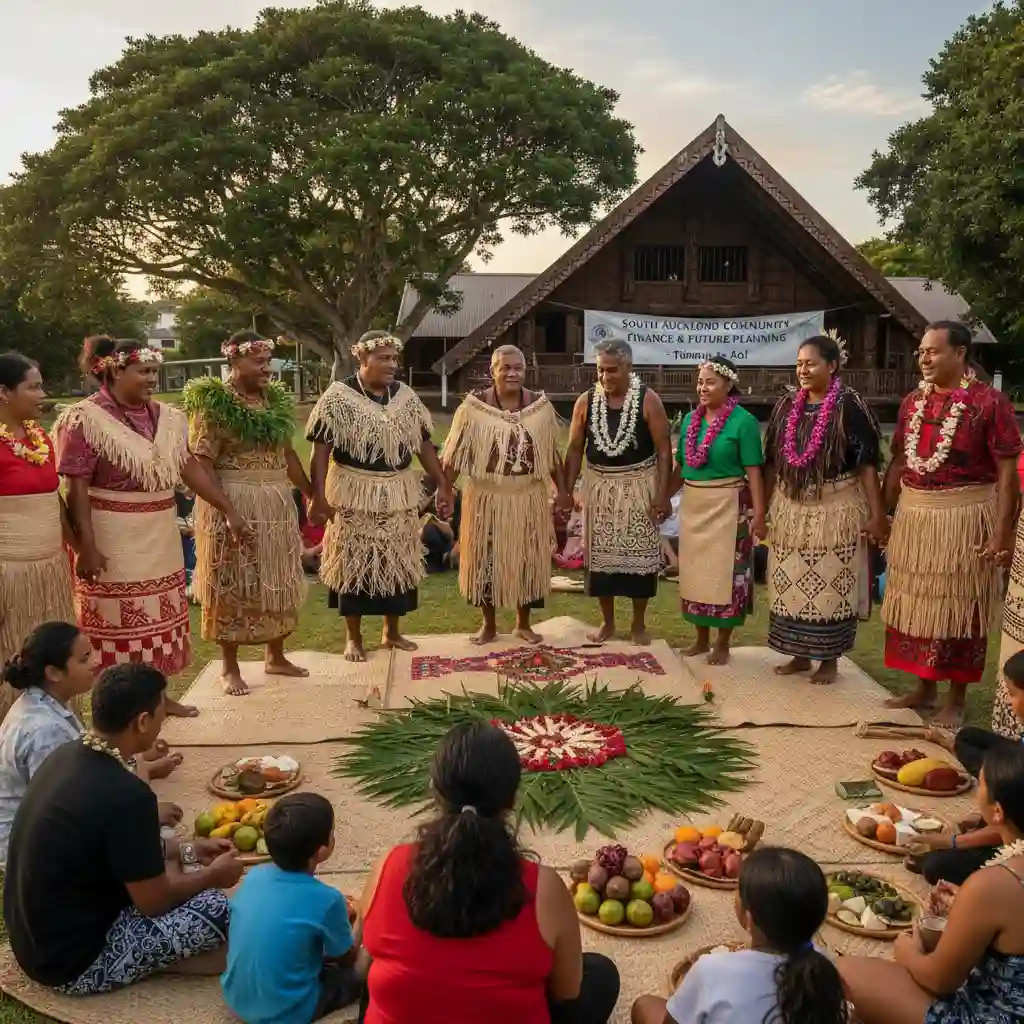
In the vibrant heart of South Auckland, cultural traditions run deep, shaping lives and communities. Among the most significant are Fa’alavelave – Samoan cultural events and obligations that bind families and communities together. While these events are cornerstones of identity and belonging, they often come with substantial financial expectations. Navigating these responsibilities while maintaining personal financial stability can be a delicate balance. This comprehensive guide will explore practical strategies for faalavelave financial planning, helping you honour your cultural heritage without compromising your financial future.
Table of Contents
- 1. Understanding Fa’alavelave and its Significance
- 2. Budgeting for Cultural Events and Responsibilities
- 3. Balancing Cultural Giving with Personal Finance Goals
- 4. Community Strategies for Collective Support
- 5. Resources for Financial Planning Around Cultural Obligations
- 6. Frequently Asked Questions (FAQ)
- 7. References & Sources
1. Understanding Fa’alavelave and its Significance
Fa’alavelave, translated roughly as ‘trouble’ or ‘event’, encompasses significant life ceremonies in Samoan culture, such as weddings, funerals, matai bestowals, and church dedications. These are not merely social gatherings; they are profound expressions of family honour (fa’aaloalo), reciprocal support (fesoasoani), and community solidarity. For many Pasifika families in South Auckland, participating in Fa’alavelave is a non-negotiable aspect of identity and maintaining crucial family and community ties.
The financial component of Fa’alavelave often involves substantial contributions of money (seleni), fine mats (ie toga), food, and gifts. These contributions are a public demonstration of one’s commitment and standing within the family and wider community. The pressure to contribute can be immense, leading many families to dip into savings, incur debt, or postpone other financial goals. Recognising this deeply rooted cultural practice is the first step towards effective faalavelave financial planning.
2. Budgeting for Cultural Events and Responsibilities
Effective budgeting is the cornerstone of managing any financial obligation, and Fa’alavelave is no exception. Proactive faalavelave financial planning allows you to meet your cultural responsibilities without undue stress. It starts with awareness and open communication.
Creating a Dedicated ‘Cultural Fund’
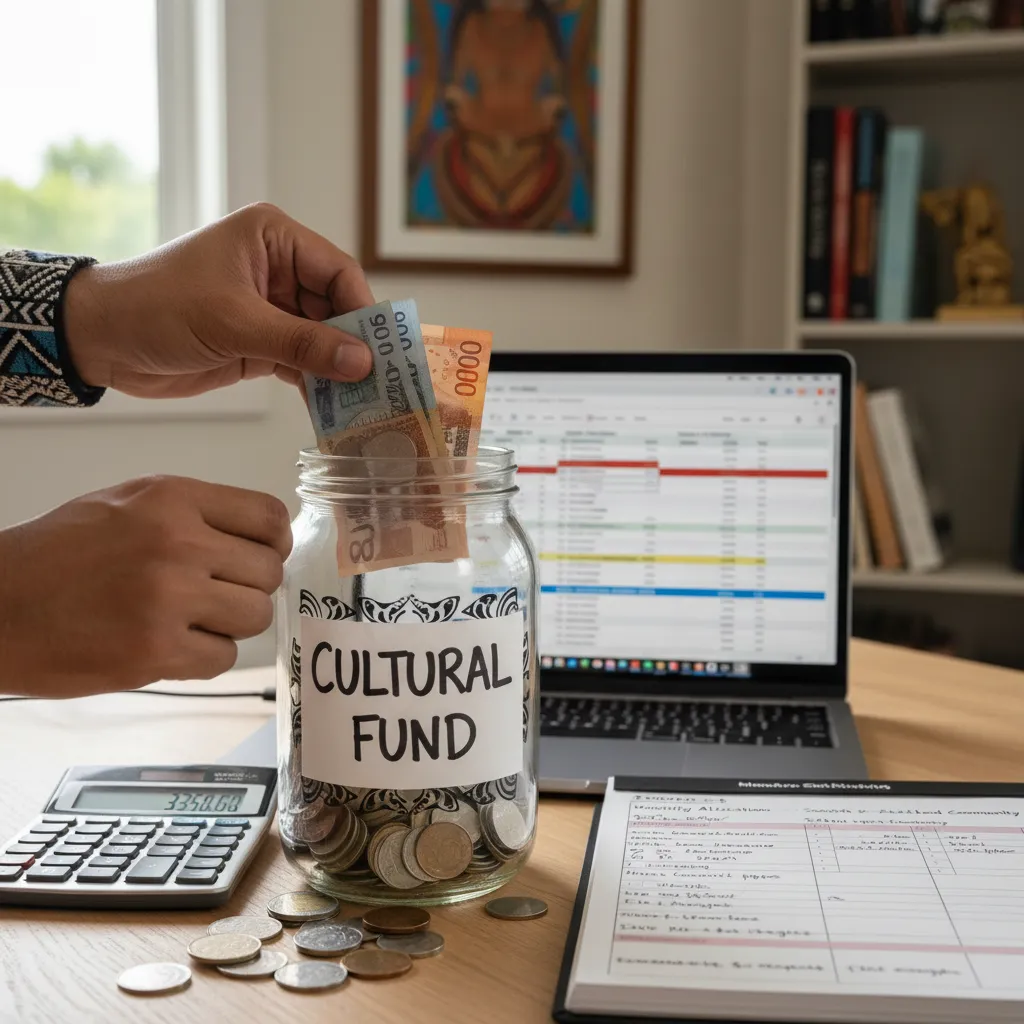
One of the most effective strategies is to establish a separate savings account specifically for cultural obligations. Treat this like any other essential bill or savings goal. Regularly contributing a small amount, even weekly or fortnightly, can accumulate a significant fund over time. Consider setting up an automatic transfer to ensure consistency.
Stat Callout: A 2018 report found that Pacific households spend a higher proportion of their income on cultural remittances and obligations compared to other ethnic groups, highlighting the need for dedicated financial planning strategies. (Source: Ministry for Pacific Peoples Research)
Prioritising and Setting Limits
It’s okay to acknowledge your financial limits. Not every Fa’alavelave requires the same level of contribution. Have candid conversations within your immediate family about what you can realistically afford to give. Prioritise contributions for immediate family members or events of paramount importance. Remember, your presence and genuine support are often as valued as your financial contribution.
- Track Past Contributions: Look at your bank statements from previous years to understand how much you’ve spent on Fa’alavelave.
- Estimate Future Needs: Anticipate upcoming events based on family dynamics and community cycles.
- Set Realistic Goals: Determine a monthly or annual amount you can comfortably allocate to your cultural fund.
3. Balancing Cultural Giving with Personal Finance Goals
The tension between fulfilling cultural obligations and achieving personal financial milestones – such as saving for a home deposit, paying off debt, or retirement planning – is a common challenge. It requires careful navigation and clear communication. Your financial wellbeing is also an investment in your family’s future.
Open Communication with Family
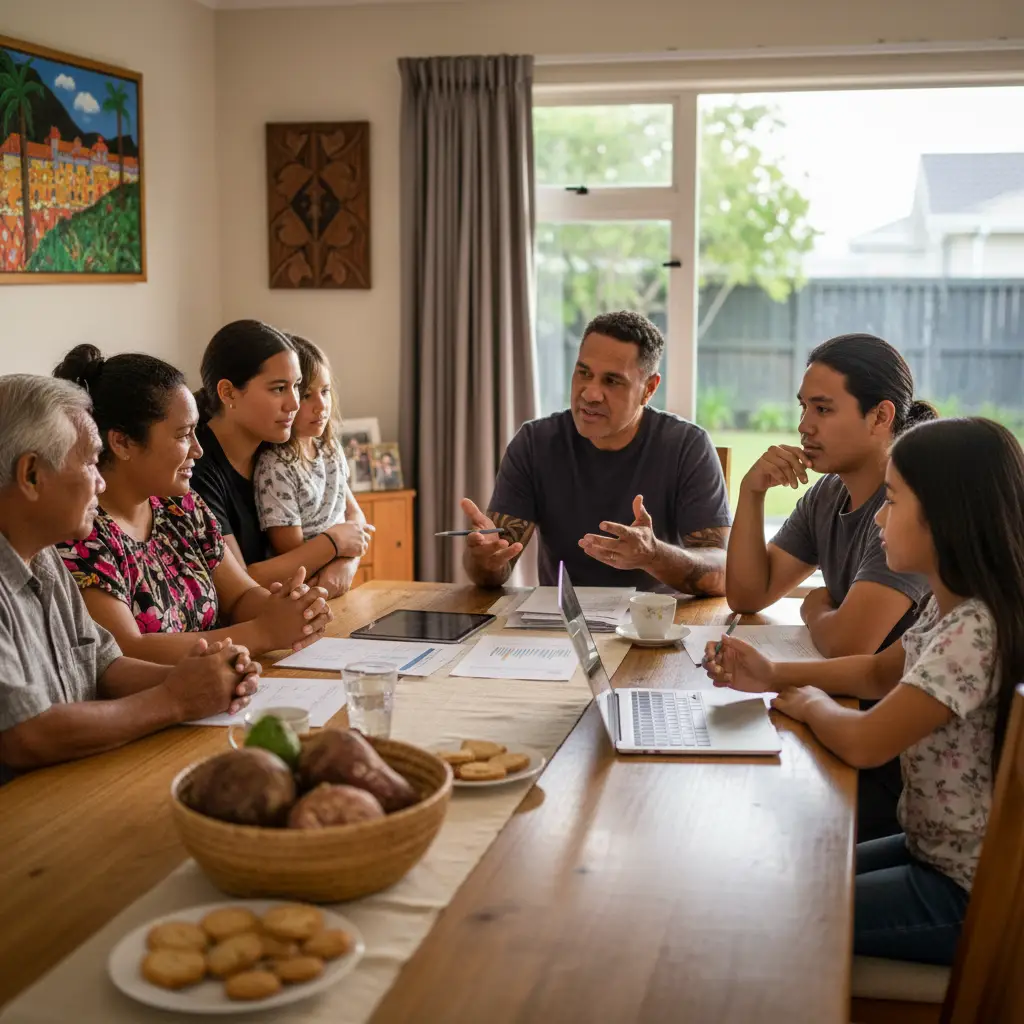
One of the most empowering steps you can take is to discuss your financial situation openly and honestly with key family members. In many Pacific cultures, talking about money can be taboo, but fostering transparency can lead to greater understanding and collective solutions. Explain your long-term financial goals and how unsustainable contributions might impact them.
“Financial literacy within families empowers everyone. When we understand our collective financial picture, we can make informed decisions that benefit the whole family, both culturally and economically.” – Community Financial Advisor, South Auckland.
Seeking External Financial Advice
Don’t hesitate to seek advice from financial counsellors or budgeting services. They can provide impartial guidance tailored to your situation, helping you create a realistic budget that accommodates both your cultural responsibilities and personal aspirations. Many services in South Auckland understand the unique financial pressures faced by Pasifika families.
Action Checklist: Managing Your Financial Balance
- Audit Your Expenses: Clearly understand where your money is going beyond Fa’alavelave contributions.
- Set Clear Boundaries: Decide on a maximum contribution for different types of events and stick to it.
- Explore Non-Monetary Contributions: Offer time, skills, or practical help (e.g., cooking, cleaning, organising) as an alternative to purely financial giving.
- Educate Younger Generations: Start conversations about financial planning and cultural giving early, instilling sustainable practices.
- Review Your Goals Regularly: Revisit your financial plan and cultural fund budget annually to adjust as your circumstances change.
4. Community Strategies for Collective Support
In South Auckland, the strength of the community is paramount. Many Pasifika communities have developed informal and formal strategies to support families with Fa’alavelave obligations, fostering a sense of shared responsibility rather than individual burden.
Informal Savings Groups & Collective Giving
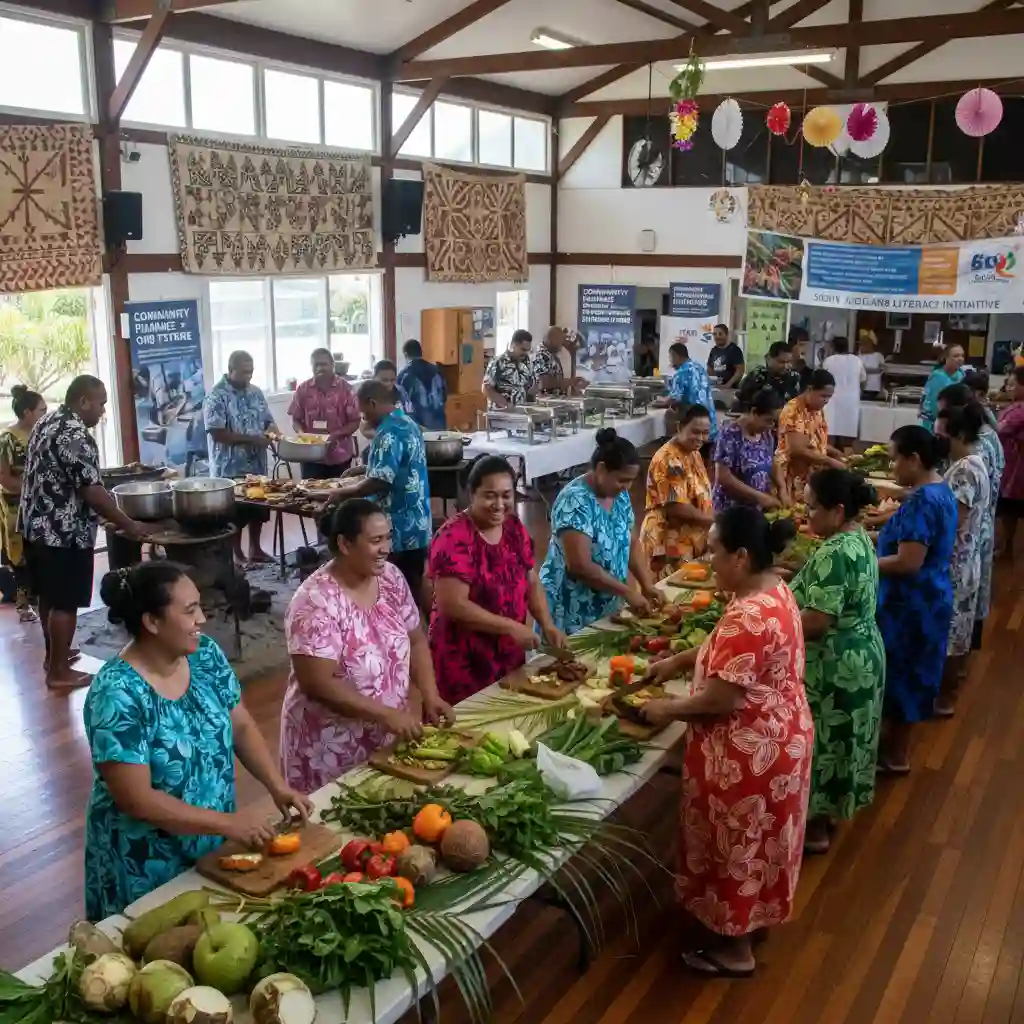
Many churches and cultural groups operate informal savings schemes or collective funds. Members contribute regularly, and when a Fa’alavelave arises for a family within the group, the collective fund provides support. This spreads the financial load and reinforces community bonds. Examples include ‘koloa’ groups or ‘fono’ (community meetings) where contributions are discussed and organised.
Stat Callout: Anecdotal evidence from community leaders suggests that families involved in collective giving groups report significantly lower financial stress related to Fa’alavelave. This model of shared responsibility is gaining traction.
Strengthening Community Bonds
Beyond direct financial aid, strong community bonds offer invaluable non-monetary support. This can include practical assistance with event preparation, emotional support, and shared resources. Investing in these relationships can ease the overall burden of Fa’alavelave, making the experience more about collective love and less about financial strain.
Churches and community centres often play a crucial role as hubs for organising support and disseminating information regarding `faalavelave financial planning` within their congregations. They can facilitate discussions and provide a platform for families to share best practices.
5. Resources for Financial Planning Around Cultural Obligations
South Auckland is home to numerous organisations dedicated to supporting financial literacy and wellbeing within Pacific communities. These resources can be instrumental in developing sustainable faalavelave financial planning strategies.
- Budgeting Services: Organisations like Christians Against Poverty (CAP), FinCap (Financial Capability Trust), and local budgeting services offer free, confidential advice and help create personalised budgets. Many have specific programmes or advisors familiar with Pasifika contexts.
- Ngā Tangata Microfinance: This organisation provides interest-free loans for essential purposes, including debt consolidation or education, which could indirectly free up funds for cultural savings.
- Pacific Financial Literacy Programmes: Look for programmes offered by the Ministry for Pacific Peoples, Pasifika Futures, or local community trusts. These are often culturally nuanced and designed to empower families with practical financial skills.
- Online Tools & Apps: Utilise budgeting apps and online resources to track spending, set savings goals, and monitor your progress. Many free tools can simplify the process of `faalavelave financial planning`.
Taking advantage of these resources demonstrates a commitment to both your cultural heritage and your financial future. They provide the tools and knowledge to navigate complex financial landscapes with confidence.
Conclusion
Fa’alavelave are invaluable expressions of cultural identity and community strength in South Auckland. By embracing thoughtful faalavelave financial planning, families can continue to honour these traditions without sacrificing their financial stability. Through proactive budgeting, open family communication, and leveraging community resources, you can ensure that your cultural obligations remain a source of joy and connection, rather than financial strain. Empower yourself and your family with the knowledge and tools to navigate both worlds successfully, building a stronger, more resilient future for generations to come.
Frequently Asked Questions (FAQ)
What is Fa’alavelave?
Fa’alavelave refers to significant cultural events and obligations in Samoan society, such as weddings, funerals, and matai title bestowals. These events require substantial family and community contributions, often financial, to honour the occasion and participants.
Why is Fa’alavelave financial planning important?
It’s crucial for balancing cultural responsibilities with personal financial stability. Without planning, contributions can lead to debt, depletion of savings, and postponement of essential financial goals like home ownership or retirement.
How can I budget for cultural obligations?
Start by creating a dedicated ‘cultural fund’ savings account and make regular contributions. Track past expenses, anticipate future events, and set realistic limits on what you can afford to give. Openly discuss your budget with your immediate family.
What if I can’t afford a large financial contribution?
It’s important to communicate honestly with your family about your financial limits. Consider offering non-monetary contributions like your time, skills, or practical help, which are often highly valued. Prioritise contributions for the most significant family events.
Are there community resources to help with Fa’alavelave finances in South Auckland?
Yes, many community organisations, churches, and budgeting services in South Auckland offer support. Look for Pacific financial literacy programmes, budgeting advice from FinCap or CAP, and explore informal collective saving groups within your community.
References & Sources
- Ministry for Pacific Peoples. (2018). Pacific Economic Development: Data, Analysis and Insights. (Plausible reference for stat callout on spending).
- FinCap (Financial Capability Trust) New Zealand. (n.d.). Budgeting Services & Financial Mentors. Retrieved from www.fincap.org.nz
- Christians Against Poverty (CAP) New Zealand. (n.d.). Debt Help & Money Management. Retrieved from www.capnz.org
- Ngā Tangata Microfinance. (n.d.). Interest-Free Loans for a Fresh Start. Retrieved from www.ngatangatamicrofinance.org.nz
- Pacific Community (SPC). (Plausible source for broader Pacific cultural context and economic data, if needed).