
Everyday Budgeting & Financial Literacy
Unlock financial freedom with our guide to everyday budgeting & financial literacy. Discover the best budgeting tools NZ offers, set goals, and track your spending effectively.
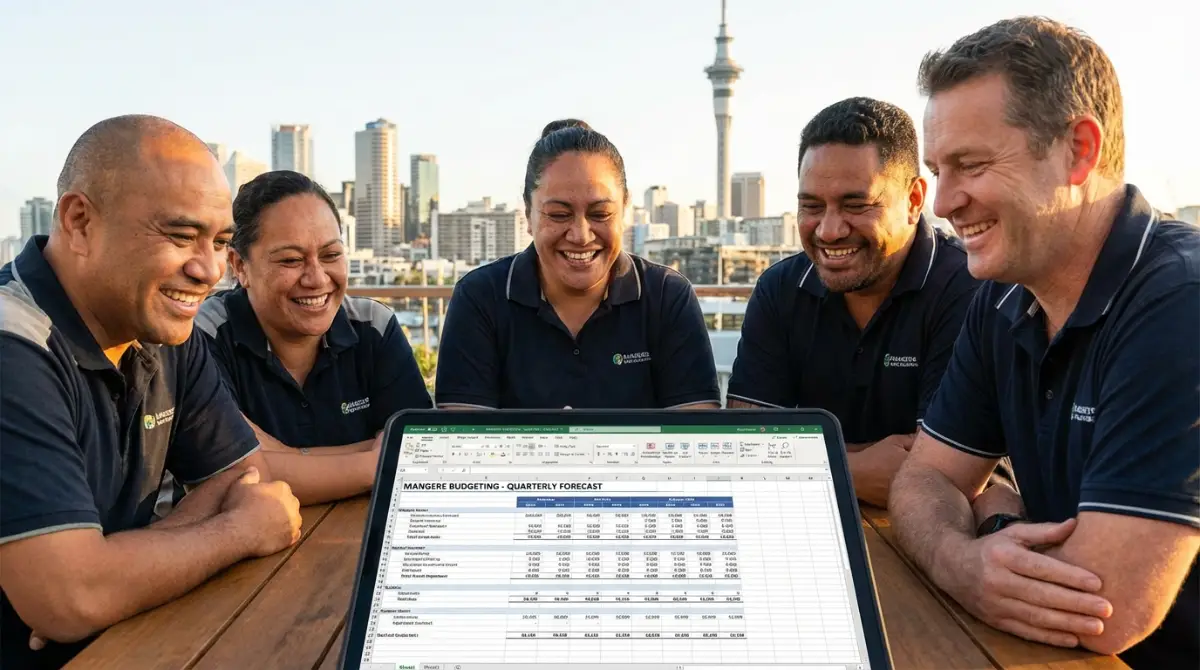
mangerebudgeting.org.nz
What You Will Learn
Unlock financial freedom with our guide to everyday budgeting & financial literacy. Discover the best budgeting tools NZ offers, set goals, and track your spending effectively.
Everyday Budgeting & Financial Literacy: Empowering Your Financial Journey in Aotearoa
Navigate your finances with confidence. Discover essential strategies and the best budgeting tools NZ has to offer to take control of your money and build a secure future.
Table of Contents
Why Budgeting Matters for Every Kiwi Household
In New Zealand, managing personal finances can feel like navigating a waka through unpredictable waters. From rising living costs to unexpected expenses, many Kiwis find themselves constantly juggling bills and worrying about their financial future. This is where budgeting steps in – not as a restrictive chore, but as an empowering compass guiding you towards financial stability and freedom.
Budgeting is more than just counting pennies; it’s about understanding your money flow, making conscious choices, and aligning your spending with your values and aspirations. It provides clarity, reduces stress, and opens the door to achieving significant financial milestones, whether it’s buying your first home, funding your children’s education, or enjoying a comfortable retirement.
Stat Callout:
“A recent study by Financial Services Council (FSC) found that 46% of New Zealanders admit to not having a budget, highlighting a significant opportunity for improved financial planning across the nation.”
– Financial Services Council (FSC) New Zealand
Without a budget, money can slip through your fingers without you even realising it. It becomes challenging to save for future goals, pay down debt effectively, or even cover unexpected emergencies. A well-structured budget transforms uncertainty into clarity, giving you the power to make informed decisions and build resilience against financial shocks.
Interactive Budgeting Tools & Worksheets: Your Path to Financial Clarity
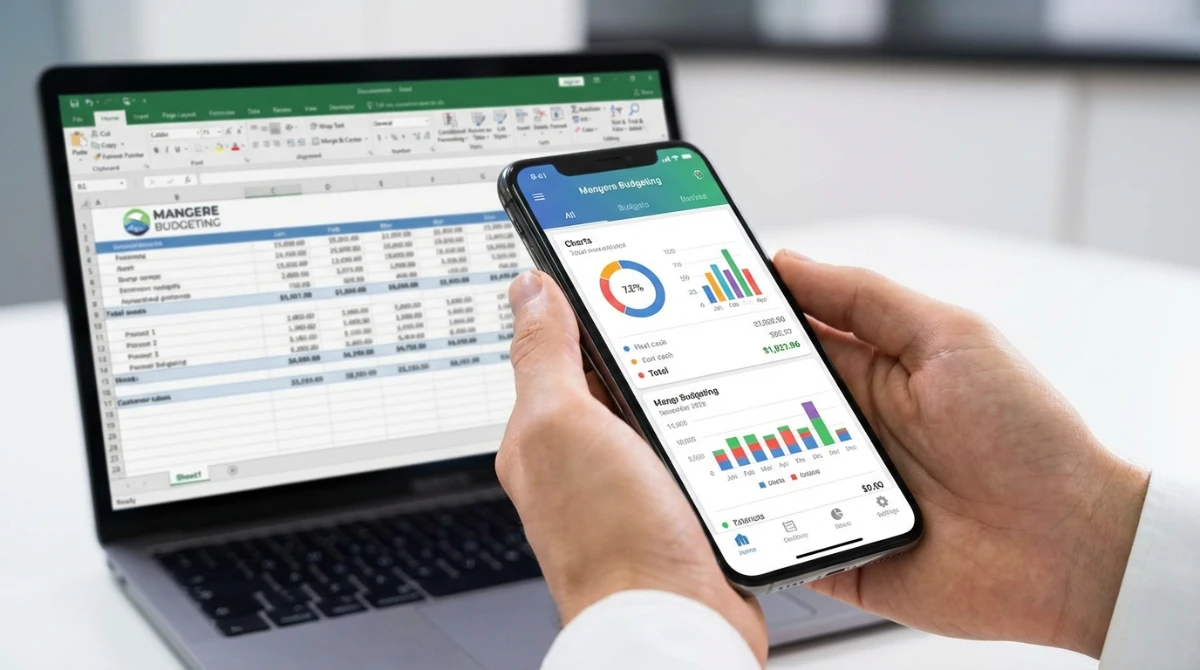
Gone are the days when budgeting meant meticulously tracking every receipt with pen and paper. Today, a plethora of interactive budgeting tools NZ residents can utilise make the process simpler, more engaging, and incredibly effective. These tools range from simple downloadable worksheets to sophisticated apps, catering to various preferences and financial complexities.
For those who prefer a hands-on approach, printable worksheets and digital spreadsheets offer a clear overview of income versus expenses. Websites like Sorted.org.nz, a free service from the Commission for Financial Capability (CFFC), provide excellent, unbiased resources, including downloadable budget planners and calculators specifically tailored for the New Zealand context.
Popular Types of Budgeting Tools for Kiwis:
- Spreadsheet Templates: Easily customizable in Excel or Google Sheets. Great for detailed tracking and analysis.
- Budgeting Apps: Mobile-friendly apps like PocketSmith (NZ-based) or global apps like YNAB (You Need A Budget) offer automated transaction categorisation, goal tracking, and real-time insights.
- Bank Tools: Many major New Zealand banks now integrate budgeting features directly into their online banking platforms, allowing you to categorise spending and set budgets effortlessly.
- Community Resources: Organisations like Mangere Budgeting Services provide personalised assistance and resources, offering a human touch to financial planning.
Action Checklist: Choosing Your Ideal Budgeting Tool
- Assess Your Needs: Are you looking for basic tracking, or advanced features like investment tracking and debt repayment calculators?
- Consider Your Comfort Level: Do you prefer digital apps, spreadsheets, or pen and paper?
- Check for NZ Specificity: Does the tool handle NZ currency, banks, and tax considerations well?
- Read Reviews: What do other New Zealand users say about its ease of use and effectiveness?
- Try Before You Buy: Many apps offer free trials. Take advantage of them!
Setting Financial Goals: Your Roadmap to Success
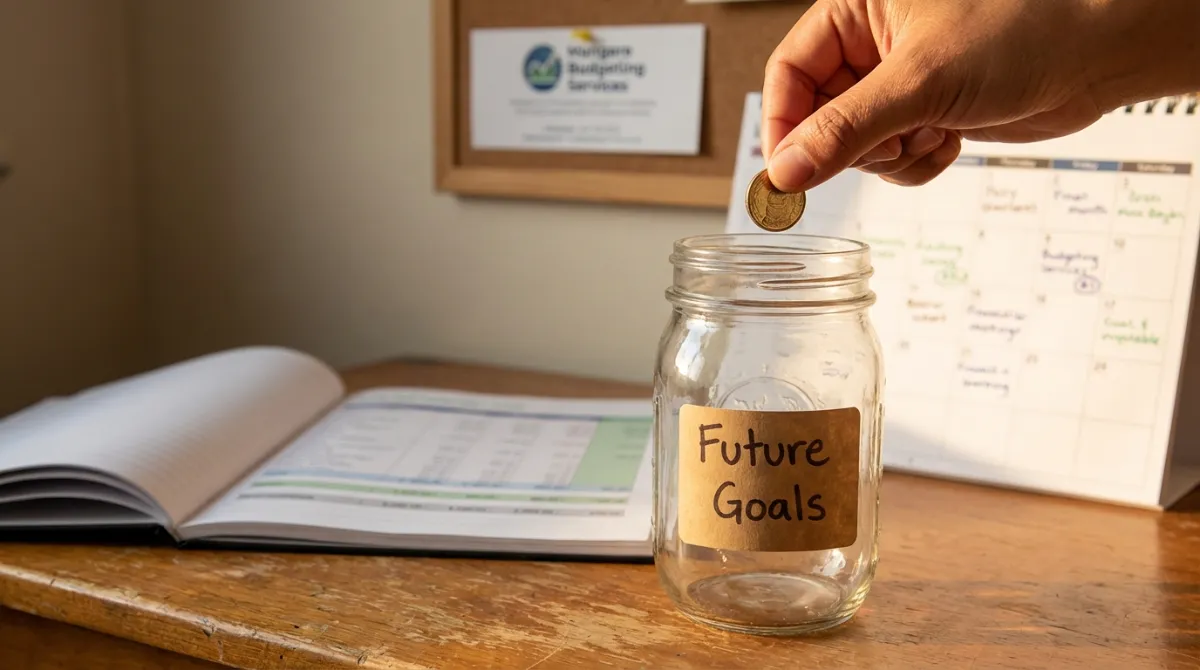
Budgeting without goals is like driving without a destination. Financial goals provide the motivation and direction for your money management efforts. They transform abstract saving into tangible achievements. Whether it’s a deposit for a house, a new car, a dream holiday, or simply building an emergency fund, clear goals empower your financial journey.
“A goal without a plan is just a wish.”
1. Define Your Goals (SMART Method)
- Specific: What exactly do you want to achieve? (e.g., Save $10,000 for a house deposit).
- Measurable: How will you track progress? (e.g., $500 per month).
- Achievable: Is it realistic given your income and expenses?
- Relevant: Does it align with your long-term values and aspirations?
- Time-bound: When do you want to achieve it by? (e.g., within 2 years).
2. Prioritise Your Goals
You might have several goals. Rank them in order of importance and urgency. This helps you allocate funds effectively, deciding whether the emergency fund takes precedence over a new gadget.
3. Break Down Big Goals
Large goals can feel daunting. Break them into smaller, more manageable milestones. For a $30,000 house deposit over three years, this means saving $10,000 per year, or roughly $833 per month – a much more approachable target.
4. Integrate Goals into Your Budget
Once your goals are defined, allocate a specific portion of your income towards them in your budget. Treat savings for goals as a non-negotiable expense, just like rent or groceries. Many budgeting tools NZ offers allow you to set up specific “buckets” or categories for different savings goals.
Tracking Your Spending: The Cornerstone of Effective Budgeting
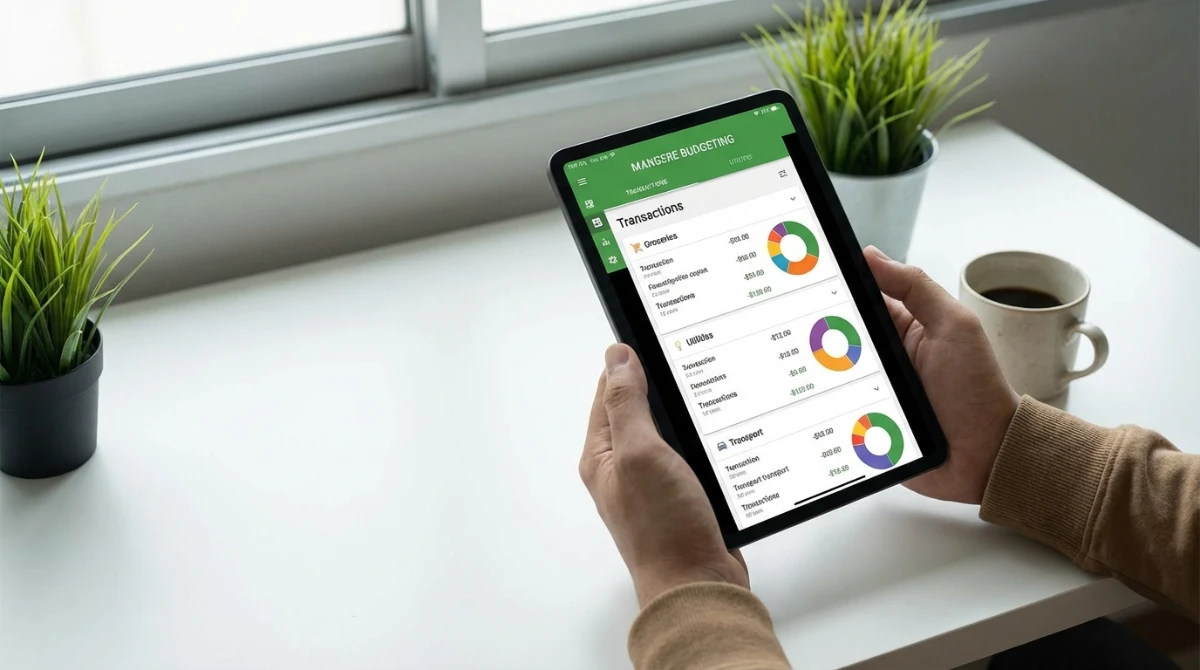
You can’t manage what you don’t measure. Tracking your spending is the fundamental step in understanding where your money truly goes. It reveals habits, identifies areas for potential savings, and provides the data needed to make your budget realistic and effective.
1. Choose a Tracking Method
Whether it’s a simple notebook, a spreadsheet, or an advanced budgeting app, pick a method you’ll consistently use. The best tracking method is the one you stick with.
2. Record Every Expense
Initially, this might feel tedious. Aim to record every dollar spent, categorising it as you go. Many modern budgeting tools NZ provides can automate this by linking to your bank accounts, pulling transactions directly.
3. Review Regularly
At least weekly, ideally daily, review your spending against your budget. Are you overspending in certain categories? Under-spending in others? This regular check-in helps you course-correct before small deviations become big problems.
4. Adjust Your Budget
Your first budget will rarely be perfect. Use your spending data to make realistic adjustments. If you consistently spend more on transport than budgeted, adjust the category, or find ways to reduce transport costs. A budget is a living document, meant to evolve with your life.
Conclusion: Take Charge of Your Financial Destiny
Embarking on a journey of everyday budgeting and financial literacy is one of the most empowering steps you can take for yourself and your whānau. By understanding why budgeting matters, leveraging the best budgeting tools NZ has available, setting clear financial goals, and diligently tracking your spending, you lay a solid foundation for financial well-being.
Remember, financial literacy isn’t about being perfect; it’s about continuous learning, consistent effort, and making informed choices. Start today, even with small steps, and watch as your confidence and financial security grow.
Your financial freedom begins now.
Frequently Asked Questions About Budgeting in NZ
What are the best free budgeting tools NZ offers?
Sorted.org.nz is an excellent, free, and unbiased resource from the Commission for Financial Capability (CFFC) that provides budget planners, calculators, and educational content tailored for New Zealanders. Many banks also offer integrated budgeting features within their online banking platforms.
How often should I review my budget?
Ideally, you should review your budget weekly to keep track of your spending and ensure you’re on target. A more comprehensive review and adjustment should be done monthly or whenever your income or major expenses change significantly.
Is it really necessary to track every single expense?
While it might seem daunting, tracking every expense initially provides the most accurate picture of your spending habits. Many budgeting apps can automate this by linking to your bank accounts, making it much easier. Once you have a clear understanding, you can adjust your level of detail.
What if I struggle to stick to my budget?
Don’t get discouraged! Budgeting is a skill that improves with practice. Start small, be realistic, and don’t aim for perfection immediately. Identify why you’re overspending and adjust your budget or habits accordingly. Consider seeking free advice from organisations like Mangere Budgeting Services.
Can budgeting help me reduce debt?
Absolutely! Budgeting is a powerful tool for debt reduction. By clearly seeing your income and expenses, you can identify funds to allocate specifically towards debt repayment, accelerate your efforts, and track your progress more effectively.
References & Sources
- Financial Services Council (FSC) New Zealand. (2023). Money & You: The Financial Resilience Report 2023. Retrieved from fsc.org.nz
- Commission for Financial Capability (CFFC). (n.d.). Sorted.org.nz – Your money. Your life. Retrieved from sorted.org.nz
- Mangere Budgeting Services Trust. (n.d.). Official Website. Retrieved from mangerebudgeting.org.nz
- PocketSmith. (n.d.). Personal Finance Software. Retrieved from pocketsmith.com