
Energy & Internet Bill Comparison
Discover how to find the best power companies NZ and affordable internet plans. Compare, understand bills, and get tips to significantly reduce your energy and broadband costs.

mangerebudgeting.org.nz
What You Will Learn
Discover how to find the best power companies NZ and affordable internet plans. Compare, understand bills, and get tips to significantly reduce your energy and broadband costs.
Energy & Internet Bill Comparison: Your Guide to Finding the Best Deals in NZ
Are you tired of skyrocketing utility bills eating into your budget? In New Zealand, understanding and comparing your electricity and internet providers is not just a smart move – it’s essential for financial wellbeing. With so many options available, finding the best power companies NZ and the most affordable internet plans can feel overwhelming. But what if you could demystify your bills, uncover hidden savings, and make informed choices with confidence?
This comprehensive guide from Mangere Budgeting is designed to empower you. We’ll walk you through the process of comparing providers, understanding your usage, and implementing practical tips to significantly reduce your monthly outgoings. Prepare to take control of your household budget and keep more money in your pocket.
Table of Contents
How to Compare Electricity Providers
Navigating the New Zealand electricity market can feel like a maze, but armed with the right information, you can confidently choose one of the best power companies NZ for your needs. The goal isn’t just to find the cheapest rate, but the best value that aligns with your household’s usage patterns and priorities.

Key Factors to Consider When Comparing Power Companies
Before you dive into comparisons, gather your current electricity bills. This will give you an accurate picture of your average monthly usage and spending. Here’s what to look for:
- Pricing Structure: Does the company offer a fixed-term plan with stable rates, or a variable plan that can change with the market? Look at both the daily charge (fixed fee) and the usage charge (per kWh).
- Prompt Payment Discounts: Many providers offer discounts for paying your bill on time. Factor this into your effective rate.
- Contract Length & Exit Fees: Be aware of any minimum contract periods and penalties for early termination.
- Customer Service & Reputation: Look for reviews and ratings. A responsive and helpful customer service team can save you a lot of hassle.
- Billing Options: Do they offer flexible payment dates, direct debits, or online account management?
- Renewable Energy Options: If sustainability is important to you, check if they offer green energy plans or carbon offsetting.
Utilising Comparison Websites
Several independent comparison websites in NZ allow you to enter your address and current usage to see personalised offers. These tools are invaluable for quickly sifting through the market to find potential savings and identify the best power companies NZ based on your specific profile.
| Feature | Standard Plan | Discounted Plan | Green/Premium Plan |
|---|---|---|---|
| Daily Charge | ~$1.50 – $2.00 | ~$1.00 – $1.50 (with conditions) | ~$2.00 – $2.50 |
| Usage Rate (per kWh) | ~$0.25 – $0.35 | ~$0.20 – $0.30 | ~$0.30 – $0.40 |
| Prompt Payment Discount | 10% – 15% | 15% – 20% | Often lower or none |
| Contract Length | No fixed term / 1 year | 1-2 years (with exit fees) | No fixed term / 1 year |
| Green Energy Option | Basic/Limited | Limited | Full (e.g., carbon offset) |
Finding Affordable Internet Plans
Just like electricity, internet service is a crucial utility. Finding a plan that meets your speed and data needs without breaking the bank requires a similar strategic approach. Many providers offer competitive broadband deals New Zealand-wide.

Understanding Internet Connection Types
- Fibre (Ultra-Fast Broadband – UFB): The fastest and most reliable option, available in most urban areas. Ideal for heavy streaming, gaming, and multiple users.
- VDSL/ADSL: Uses traditional copper lines. Slower than Fibre but widely available. Suitable for basic browsing and email.
- Wireless Broadband: Uses mobile network technology (4G/5G). Good for areas without Fibre or VDSL, or as a portable option. Speed and reliability can vary.
What to Look for in an Internet Plan
- Speed: Match your speed to your household’s needs. Do you need 100 Mbps, 300 Mbps, or gigabit Fibre?
- Data Caps: Most plans in NZ are unlimited, but always double-check.
- Contract Length: Opt for no-contract plans for flexibility, or longer contracts for potential discounts.
- Bundle Deals: Some providers offer discounts if you bundle your internet with mobile or even electricity.
- Router Costs: Is a router included, or do you need to buy one? Are there installation fees?
Understanding Your Bills & Usage
Knowledge is power, especially when it comes to your utility costs. Many New Zealanders simply pay their bills without truly understanding the charges. Taking the time to decode your statements is a crucial step towards effective budgeting and identifying opportunities for savings.
“A clear understanding of your energy consumption patterns is the first step towards significant savings. Don’t just pay it – understand it!”
Decoding Your Utility Bill
- Daily Fixed Charge (Daily Line Charge/Supply Charge): This is a fixed daily fee regardless of how much power you use. It covers the cost of getting electricity to your property.
- Variable Usage Charge (Consumption Charge): This is the charge per unit of electricity (kWh) you use. This is where your energy-saving efforts have the most impact.
- GST: Goods and Services Tax, currently 15% in NZ, added to your total.
- Prompt Payment Discount: Often shown as a credit or deduction if you pay on time.
- Mains Power vs. Controlled Power: Some homes have separate meters for hot water or other appliances, which might be charged at different rates.
Tracking Your Consumption
Most electricity providers offer online portals or apps where you can track your daily or even hourly power usage. This data is incredibly valuable for identifying peak usage times and understanding which appliances consume the most energy.
Did You Know?
A typical New Zealand household uses approximately 7,000-8,000 kWh of electricity per year. Small changes in habits can lead to significant annual savings!
Tips for Reducing Utility Costs
Once you understand your bills and have compared providers, the next step is to actively reduce your consumption. These practical steps can lead to substantial savings on both your electricity and internet bills.
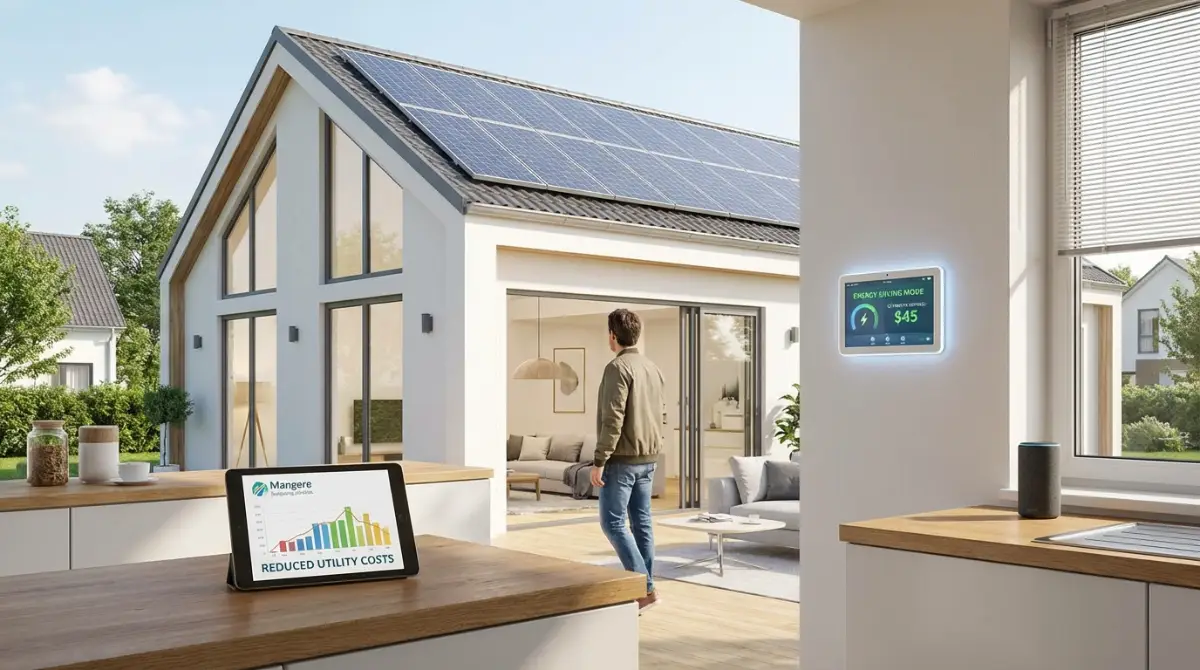
Energy-Saving Habits
- Turn off Lights & Appliances: Simple yet effective. Don’t leave lights on in empty rooms, and unplug chargers or appliances not in use (phantom load).
- Optimize Heating & Cooling: Use timers on heat pumps, insulate your home, and seal drafts. Aim for a comfortable but not excessive indoor temperature.
- Efficient Laundry: Wash clothes in cold water when possible, and only run full loads. Air-dry laundry instead of using a dryer.
- Smart Appliances: When replacing appliances, look for high energy-star ratings.
- Hot Water Usage: Hot water heating is a major energy consumer. Take shorter showers and ensure your hot water cylinder is insulated.
Negotiating Your Internet Plan
Don’t be afraid to call your internet provider. Loyalty doesn’t always pay, and new customer deals are often better. Research competitors’ offers and be prepared to negotiate for a better price or upgrade. Sometimes, simply asking can lead to significant savings.
Your Action Checklist for Lower Utility Bills
- Gather your last three electricity and internet bills.
- Use a comparison website to find the best power companies NZ and broadband deals.
- Contact your current providers to see if they can match or beat competitive offers.
- Audit your home for energy-hungry appliances and drafty areas.
- Set up online accounts to monitor your real-time usage.
- Implement at least three new energy-saving habits this week.
Frequently Asked Questions (FAQ)
How often should I compare electricity providers?
It’s a good practice to compare electricity providers at least once a year, or whenever your fixed-term contract is nearing its end. The market is dynamic, and new deals or better rates for the best power companies NZ often emerge. Also compare if your usage patterns change significantly or if you move house.
Are cheaper electricity plans always better?
Not necessarily. While price is a major factor, consider the overall value. This includes customer service reputation, billing flexibility, contract terms, and whether the plan aligns with your energy consumption habits (e.g., peak/off-peak rates). Sometimes a slightly higher rate with excellent service or specific benefits can be better than the absolute cheapest deal with hidden costs or poor support.
Can I save money by bundling electricity and internet?
Often, yes! Many utility providers offer discounts if you sign up for multiple services (e.g., electricity, gas, and internet) with them. It can simplify your billing and potentially unlock loyalty discounts. However, always compare the bundled price against the best individual deals for each service to ensure you are actually saving money.
What are the main types of internet connections in NZ?
The main types are Fibre (Ultra-Fast Broadband), VDSL/ADSL (copper-based), and Wireless Broadband (4G/5G mobile network). Fibre offers the fastest and most reliable speeds, VDSL/ADSL is more common in older infrastructure, and Wireless is a flexible option, especially where fixed-line broadband isn’t optimal.
References & Sources
- Energy Efficiency and Conservation Authority (EECA) – Energywise.govt.nz
- Consumer NZ – Power Company & Broadband Provider Reviews
- Commerce Commission New Zealand – Regulated Industries Information
- Powerswitch.org.nz – Independent Electricity Comparison Tool
- Broadband Compare – New Zealand Internet Plan Comparison