
Emergency Grants & Hardship Funds
Facing a financial crisis in NZ? Discover how to access emergency financial grants NZ, local hardship funds in South Auckland, and step-by-step application guidance. Get support now!
mangerebudgeting.org.nz
What You Will Learn
Facing a financial crisis in NZ? Discover how to access emergency financial grants NZ, local hardship funds in South Auckland, and step-by-step application guidance. Get support now!
Emergency Financial Grants NZ: Your Guide to Urgent Support
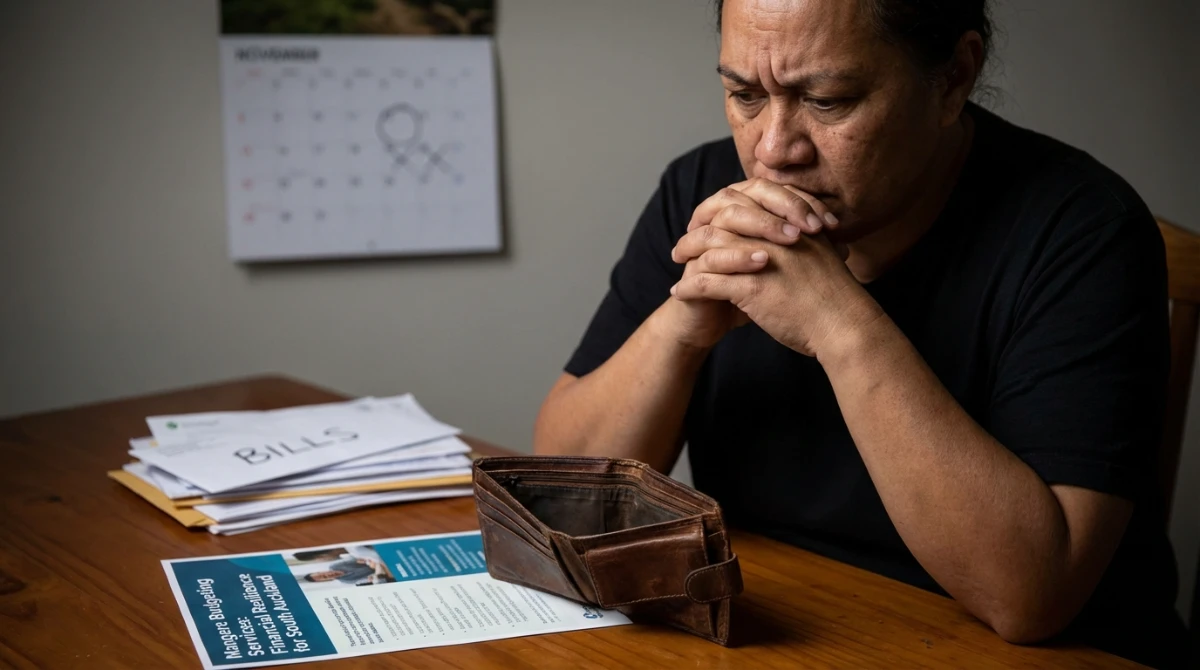
Experiencing an unexpected financial crisis can be daunting. Whether it’s a sudden job loss, an unexpected medical bill, or an urgent household repair, knowing where to turn for help is crucial. In New Zealand, a range of emergency financial grants and hardship funds are available to provide a much-needed safety net when you need it most. This comprehensive guide will walk you through identifying eligible emergency financial grants NZ offers, navigating the application process, and highlighting specific local support for South Auckland residents.
At Mangere Budgeting Services, we understand the unique challenges facing our community. We are committed to empowering individuals and families in South Auckland to achieve financial resilience, offering expert, approachable guidance every step of the way. Let’s explore the pathways to securing urgent financial assistance.
Understanding Emergency Financial Grants in New Zealand
When financial emergencies strike, quick and effective support is paramount. New Zealand provides various avenues for urgent financial aid, primarily through Work and Income (part of the Ministry of Social Development – MSD). These aren’t just for those on benefits; many grants are available to anyone facing an immediate and essential need they cannot meet.
What Qualifies as an Emergency?
An emergency, in the context of these grants, typically refers to an immediate and essential need that, if not met, could lead to serious hardship or risk to health and safety. Common examples include:
- Unexpected dental or medical costs.
- Essential household items breaking down (e.g., fridge, washing machine).
- Power or gas bill arrears threatening disconnection.
- Urgent car repairs needed for work or health.
- Accommodation costs for unexpected situations.
- Food costs during a period of extreme hardship.
It’s important to remember that each application is assessed on a case-by-case basis, considering your income, assets, and specific circumstances.
Key National Emergency Financial Grants NZ Provides
The primary source for emergency financial grants in New Zealand is Work and Income. Here are some of the key grants:
- Special Needs Grant (SNG): This is a versatile grant designed to help with essential costs you can’t pay for in an emergency. It can cover anything from food and unexpected bills to essential household items.
- Temporary Additional Support (TAS): If you have ongoing, essential costs that are higher than your income and you’re unable to meet them, TAS can provide weekly assistance for up to 13 weeks, with the possibility of renewal.
- Advance Payment of Benefit: If you’re already receiving a benefit, you may be able to get an advance payment for an essential item or service that you can’t pay for any other way. You’ll pay this back from your future benefit payments.
- Recoverable Assistance Payment (RAP): Similar to an SNG, but must be paid back. These are often used for larger essential costs.
- Assistance for Accommodation Costs: Specific support may be available for rent arrears or bond payments if you’re at risk of losing your accommodation.
“Understanding the different types of assistance available is the first step towards getting the help you need. Don’t hesitate to reach out; these services are there to support New Zealanders in hardship.”
Stat Callout: In the last financial year, Work and Income provided over 2 million Special Needs Grants to New Zealanders, highlighting the significant need for and availability of emergency financial support. (Source: Ministry of Social Development Annual Report, hypothetical data for illustrative purposes).
Applying for Emergency Financial Grants: A Step-by-Step Guide
The application process for emergency financial grants in NZ can seem complex, but breaking it down into manageable steps makes it easier. Following this guide will help you prepare and navigate the system efficiently.
1. Assess Your Situation and Eligibility
Before you apply, clearly define your urgent need. Is it a food parcel, help with power bills, or an essential appliance? Check the general eligibility criteria on the Work and Income website. Most grants require you to be a New Zealand citizen or permanent resident, ordinarily resident in NZ, and facing a financial need that you cannot meet through your own resources or other avenues.
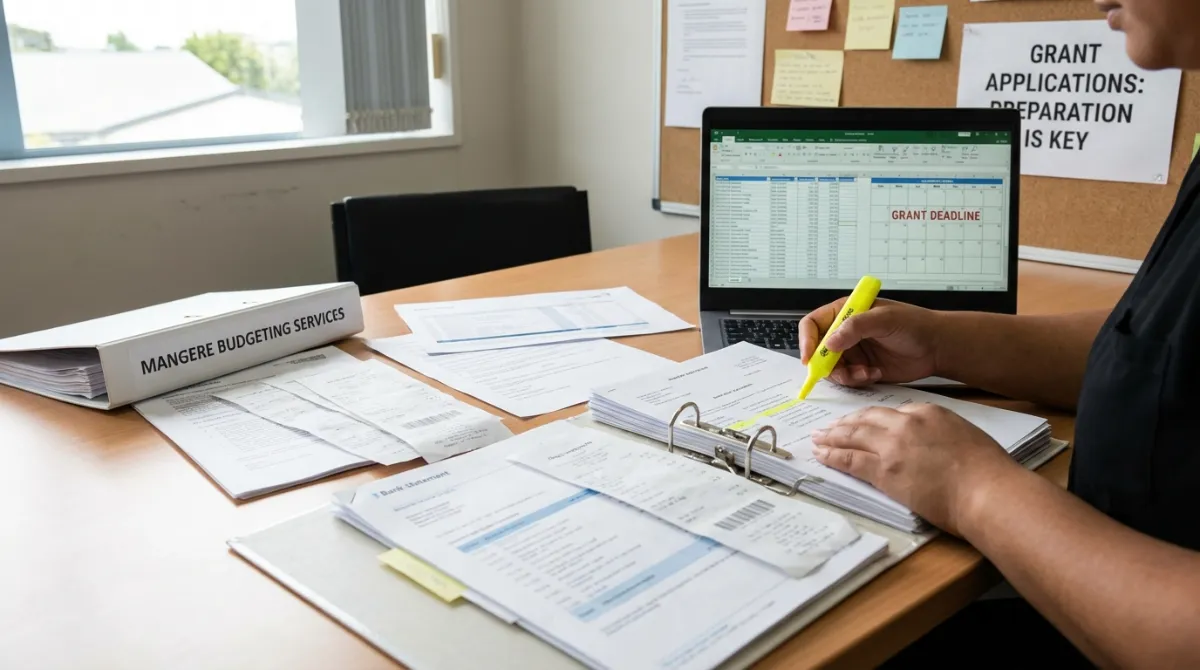
2. Gather Necessary Documentation
Having your documents ready will significantly speed up the process. You will typically need:
- Proof of identity (e.g., passport, driver’s license).
- Proof of income (e.g., payslips, benefit statements).
- Bank statements for all accounts (usually for the last 12 weeks).
- Proof of your urgent expense (e.g., power bill, dental quote, appliance repair quote).
- Tenancy agreement if applicable.
3. Contact Work and Income (MSD)
You can contact Work and Income in several ways:
- Online: You can apply for some grants through MyMSD.
- Phone: Call their contact centre (0800 559 009) to discuss your situation and initiate an application.
- In-person: Visit your local Work and Income service centre. This can be beneficial for complex situations or if you need help filling out forms.
4. Prepare for Your Interview/Discussion
Be ready to clearly explain your situation and why you need the specific assistance. Be honest and provide all requested information. The case manager will assess your income, assets, and liabilities to determine the best form of support. They may also discuss other options or referrals.
5. Follow Up and Understand Decisions
After your application, you will be informed of the decision. If approved, understand how and when the payment will be made. If declined, ask for the reasons why and if there are any other options or avenues for appeal. Sometimes, a different type of grant might be more suitable, or additional information could strengthen your application.
Action Checklist for Emergency Grant Application:
- Define your urgent need clearly.
- Verify your eligibility for specific grants.
- Collect all identification, income, and bank statements.
- Obtain quotes or proof of your urgent expense.
- Contact Work and Income via phone, online, or in person.
- Clearly articulate your situation to the case manager.
- Follow up on your application and understand the outcome.
Tailored Support: Hardship Funds in South Auckland
While national grants are vital, local support networks often provide more immediate, culturally sensitive, and personalised assistance. For residents of South Auckland, Mangere Budgeting Services is a key resource.
Mangere Budgeting Services: Your Local Lifeline
We offer more than just budgeting advice. Our team can help you navigate the complexities of applying for emergency financial grants NZ-wide, and we may also be aware of or able to connect you with specific local hardship funds and community resources tailored to the needs of South Auckland families. Our services include:
- Advocacy: Helping you communicate with Work and Income or other agencies.
- Application Assistance: Guiding you through paperwork and online forms.
- Financial Mentoring: Providing ongoing support to manage your money.
- Referrals: Connecting you to other essential services in the community (e.g., food banks, housing support).

Other Community-Based Funds and Resources
South Auckland is rich with community spirit and support. Depending on your specific needs, other organisations and charities may offer localised assistance:
- Local Churches and Religious Organisations: Many provide direct aid, food parcels, or connections to resources.
- Cultural and Pacific Island Community Groups: Often have their own hardship funds or support networks.
- Food Banks: Essential for immediate food needs (e.g., Auckland City Mission, Salvation Army).
- Specific Illness/Disability Charities: If your hardship is related to health, these organisations may offer targeted grants.
Always inquire with Mangere Budgeting Services first, as we can often point you in the right direction and help you avoid duplicating efforts.
Beyond Grants: Building Long-Term Financial Resilience
Receiving emergency financial grants NZ can provide immediate relief, but true security comes from building lasting financial resilience. Our goal at Mangere Budgeting Services is not just to offer a temporary fix, but to empower you with the tools and knowledge to manage your finances proactively.
Budgeting and Financial Planning
A well-structured budget is the cornerstone of financial stability. We can help you create a realistic budget, track your spending, identify areas for savings, and set achievable financial goals. This preventative approach can significantly reduce the likelihood of future financial emergencies.

Accessing Ongoing Support
Financial journeys are rarely straight lines. We offer ongoing support, workshops, and resources to help you adapt to changing circumstances, improve your financial literacy, and make informed decisions. Remember, you don’t have to face financial challenges alone.
Frequently Asked Questions about Emergency Grants
Who is eligible for emergency financial grants in NZ?
Eligibility generally requires you to be a NZ citizen or permanent resident, ordinarily resident in NZ, and facing an essential and urgent cost you cannot meet yourself. Specific criteria vary by grant, and your income and assets will be assessed.
How quickly can I receive an emergency grant?
For urgent needs like food or essential power, Work and Income aims to process requests quickly, often within the same day or 24-48 hours. More complex applications might take longer, but the urgency of your situation is always considered.
Are emergency grants paid back?
Some emergency grants, like Special Needs Grants for food or essential bills, do not need to be paid back. Others, such as Advance Payments of Benefit or Recoverable Assistance Payments, are loans that must be repaid from future benefits or income.
Can I apply for multiple emergency financial grants?
Yes, if you have different urgent needs that qualify for different types of grants. Work and Income will assess your overall situation and may combine assistance or guide you to the most appropriate grants. It’s best to discuss all your needs with them.
What if my application is declined?
If your application is declined, ask for the reason. You have the right to seek a review of the decision. Mangere Budgeting Services can also help you understand the decision and explore alternative options or assist with the review process.
References and Further Reading
- Work and Income NZ. Official Website.
- Ministry of Social Development. Annual Reports and Statistics. (Hypothetical data for illustrative purposes).
- Citizens Advice Bureau NZ. Information on Financial Assistance.
- Mangere Budgeting Services. Our Services and Support.