
Debt Management & Financial Resilience
Discover comprehensive debt help in NZ: understand debt types, learn reduction strategies, avoid predatory loans, and access free debt counselling services for financial resilience.

mangerebudgeting.org.nz
What You Will Learn
Discover comprehensive debt help in NZ: understand debt types, learn reduction strategies, avoid predatory loans, and access free debt counselling services for financial resilience.
Debt Management & Financial Resilience: Your Guide to Debt Help NZ
Facing debt can feel overwhelming, a heavy weight that impacts every aspect of life. Many New Zealanders grapple with financial challenges, but it’s crucial to remember that you’re not alone and effective solutions exist. This comprehensive guide, brought to you by Mangere Budgeting, aims to equip you with the knowledge and strategies for managing debt, fostering financial resilience, and finding genuine debt help NZ when you need it most.
Whether you’re struggling with multiple credit cards, a personal loan, or simply want to improve your financial footing, understanding your options is the first step towards a brighter financial future. We’ll explore various debt types, proven reduction strategies, how to avoid common pitfalls, and crucially, how to access expert debt counselling services right here in New Zealand.
Table of Contents
Understanding Different Types of Debt
Before you can tackle debt, it’s essential to understand its various forms. Not all debt is created equal, and recognizing the different types will help you prioritise your repayment strategies. Here are the most common debts New Zealanders face:
- Credit Card Debt: Often comes with high-interest rates, making minimum payments inefficient. This unsecured debt can quickly spiral if not managed.
- Personal Loans: Can be secured (e.g., against a car) or unsecured. Interest rates vary, but they often have fixed repayment terms.
- Mortgage Debt: Typically the largest debt for homeowners, secured against property. While substantial, it’s often considered ‘good debt’ due to asset accumulation.
- Student Loan Debt: Interest-free for those residing in NZ, making it a more manageable form of debt. Repayments are usually tied to income.
- Hire Purchase/Store Cards: Often have deferred payment options but can carry extremely high-interest rates if payments are missed or delayed.
- Overdrafts: Short-term borrowing on your bank account, convenient but can incur daily fees and high interest if overused.
Key Insight: Distinguish between ‘good debt’ (e.g., a mortgage that builds equity, or a student loan for career advancement) and ‘bad debt’ (e.g., high-interest credit card debt for depreciating assets).
Stat Callout: Household Debt in NZ
According to recent figures, New Zealand’s household debt-to-income ratio remains high, indicating that many households carry significant financial obligations. This underscores the widespread need for effective strategies and debt help NZ services.
Strategies for Debt Reduction
Ready to take control? Here are actionable strategies to systematically reduce your debt and build a stronger financial foundation.
1. Master Your Budgeting Basics
The cornerstone of debt management is a clear understanding of your income and expenses. A well-structured budget is your roadmap.
- Track Everything: For a month, meticulously record every dollar coming in and going out.
- Categorise Spending: Group your expenses (e.g., housing, food, transport, entertainment).
- Identify Areas for Cuts: Look for non-essential spending that can be reduced or eliminated. Even small cuts add up.
- Allocate Funds for Debt: Dedicate a specific portion of your income to debt repayment beyond the minimum.
2. Choose a Debt Reduction Method
Two popular methods can help you pay down debt more efficiently:
- Debt Snowball Method: Pay off your smallest debt first while making minimum payments on others. Once the smallest is paid, roll that payment into the next smallest, gaining psychological momentum.
- Debt Avalanche Method: Prioritise debts with the highest interest rates first. This method saves you the most money on interest over time, offering a logical advantage.
Expert Tip: Consistency is key. Choose the method that you’re most likely to stick with, whether it’s the motivational snowball or the money-saving avalanche.
3. Negotiate with Creditors
Don’t be afraid to talk to your creditors. Many are willing to work with you, especially if you’re proactive about your situation. You might be able to negotiate:
- Lower interest rates
- Reduced monthly payments
- Waivers on late fees
- A temporary payment holiday (in extreme circumstances)
4. Consider Debt Consolidation (Carefully)
Consolidating multiple debts into a single, lower-interest loan can simplify payments and potentially save money. However, approach this with caution.
- Research Thoroughly: Ensure the new loan genuinely has a lower interest rate and manageable terms.
- Avoid More Debt: Do not use consolidation as an excuse to incur more debt on the now-empty credit lines.
- Seek Advice: Talk to a financial advisor or budgeting service before committing to consolidation. They can help assess if it’s the right debt help NZ solution for you.

Action Checklist: Your Path to Debt Freedom
- Review all current debts, interest rates, and minimum payments.
- Create a realistic monthly budget and stick to it.
- Identify 2-3 expenses to cut immediately.
- Choose either the Snowball or Avalanche method.
- Contact one creditor this week to discuss payment options.
- Schedule a check-in with your budget in two weeks.
- Commit to not taking on any new unsecured debt.
Avoiding Payday Loans & High-Interest Debt
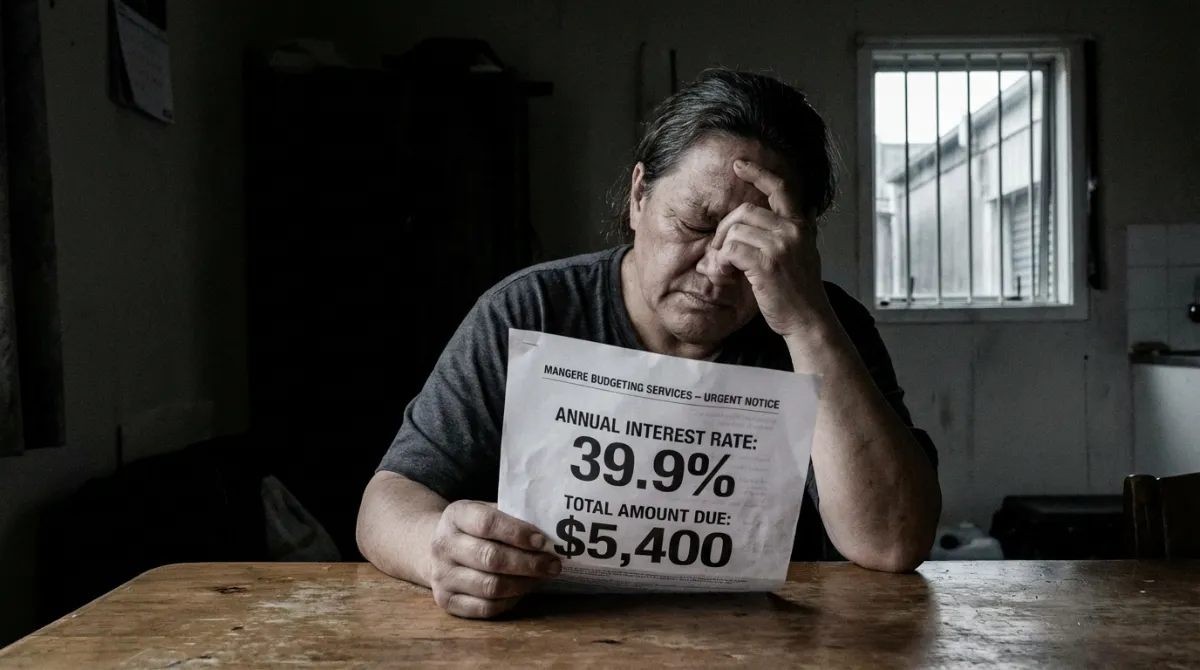
While tempting in urgent situations, payday loans and other forms of extremely high-interest credit can quickly trap you in a vicious cycle of debt. Their exorbitant fees and short repayment periods make them incredibly difficult to escape.
- Understand the Costs: The Annual Percentage Rate (APR) on payday loans can be hundreds, even thousands, of percent.
- Seek Alternatives: For urgent financial needs, explore options like contacting your bank, a budgeting service for emergency grants, or seeking assistance from Work and Income (MSD).
- Build an Emergency Fund: Even a small emergency fund can prevent reliance on predatory lending. Start with $500, then aim for 3-6 months of living expenses.
Warning: Payday loans are a last resort that should be avoided at almost all costs. They are a significant barrier to achieving financial resilience and overcoming debt.
Accessing Debt Counselling Services
Sometimes, managing debt on your own feels impossible. That’s when professional, compassionate debt help NZ services can make all the difference. Organisations like Mangere Budgeting offer free, confidential support tailored to your unique situation.
1. What Debt Counselling Offers
Budgeting and debt counselling services provide more than just advice; they offer practical, empathetic assistance:
- Personalised Budgeting: Help you create a realistic and sustainable budget.
- Debt Assessment: Review all your debts and help you understand your overall financial picture.
- Negotiation Support: Assist in negotiating with creditors on your behalf.
- Advocacy: Provide support and advocacy with government agencies like Work and Income.
- Financial Education: Equip you with skills for long-term financial resilience.
- No-Interest Loans (NILs): Some services offer access to NILs for essential items, helping you avoid high-interest alternatives.
2. How to Prepare for Counselling
To make the most of your counselling session, gather the following documents and information:
- Proof of income (pay slips, benefit statements)
- Recent bank statements
- Statements for all debts (credit cards, loans, hire purchases)
- Bills for regular expenses (rent, utilities, insurance)
- Details of any assets you own
3. Finding Support in NZ
There are several reputable sources for debt help NZ:
- Budgeting Services: Local community budgeting services, like Mangere Budgeting, offer free, confidential support.
- Citizens Advice Bureau (CAB): Provides free information and advice on a wide range of issues, including debt.
- Financial Mentors (FinCap): FinCap supports a network of financial mentors across NZ who offer free, confidential, and independent financial mentoring.
- Work and Income (MSD): Can provide emergency assistance or advance payments in certain situations.
Empowerment: Reaching out for professional debt help NZ is a sign of strength, not weakness. It’s taking a proactive step towards lasting financial freedom.

Conclusion: Building Your Financial Resilience
Overcoming debt and achieving financial resilience is a journey, not a destination. It requires commitment, discipline, and sometimes, the right kind of debt help NZ. By understanding your debt, employing smart reduction strategies, avoiding predatory loans, and leveraging expert budgeting and counselling services, you can regain control and build a secure financial future.
Remember, organisations like Mangere Budgeting are here to support you every step of the way. Don’t let debt define you; empower yourself with knowledge and action. Take the first step today.
Frequently Asked Questions (FAQ) About Debt Help NZ
What is the best way to get debt help in NZ?
The best way to get debt help NZ is often to contact a free budgeting service or financial mentor. Organisations like Mangere Budgeting, Citizens Advice Bureau, or those supported by FinCap offer confidential, expert advice tailored to your specific situation, helping you create a budget, negotiate with creditors, and explore all available options.
Are debt consolidation loans a good idea in New Zealand?
Debt consolidation loans can be beneficial if they genuinely offer a lower interest rate, simplify payments, and you commit to not incurring more debt on existing credit lines. However, they are not suitable for everyone and can sometimes extend your repayment period. It’s crucial to seek advice from a financial mentor before making a decision.
How can I avoid high-interest payday loans in NZ?
To avoid high-interest payday loans, focus on building an emergency fund, even a small one. For urgent needs, explore alternatives like speaking to your bank, a budgeting service for no-interest loans (NILs), or Work and Income for emergency assistance. These options are far safer and more sustainable than predatory payday loans.
Is budgeting advice free in New Zealand?
Yes, most budgeting advice and financial mentoring services in New Zealand are free, confidential, and independent. Organisations like Mangere Budgeting and others supported by FinCap are funded to provide essential debt help NZ and financial literacy services to individuals and families across the country.
What is financial resilience and why is it important?
Financial resilience is the ability of individuals and households to withstand and recover from financial shocks, like unexpected expenses or job loss. It’s important because it creates stability, reduces stress, and allows you to pursue long-term goals without being derailed by unforeseen challenges. Building resilience often involves smart budgeting, saving, and managing debt effectively.
References/Sources
- Reserve Bank of New Zealand. (Current Year). Household Debt Statistics. [Hypothetical reference, adapt to actual RBNZ data]
- FinCap (Financial Capability Trust). (Current Year). About Financial Mentoring. Retrieved from [Hypothetical FinCap website link, e.g., https://fincap.org.nz]
- Citizens Advice Bureau New Zealand. (Current Year). Money & Debt Advice. Retrieved from [Hypothetical CAB website link, e.g., https://www.cab.org.nz]
- Mangere Budgeting Services Trust. (Current Year). Our Services. Retrieved from [Hypothetical Mangere Budgeting website link, e.g., https://www.mangererudgeting.org.nz]
- Ministry of Social Development (MSD) – Work and Income. (Current Year). Financial Assistance. Retrieved from [Hypothetical MSD website link, e.g., https://www.workandincome.govt.nz]