
Debt Management & Budgeting Solutions
Get expert debt help NZ & practical budgeting tips NZ from Mangere Budgeting. Learn to manage debt, create a budget, and find financial freedom. Free tools & support.

mangerebudgeting.org.nz
What You Will Learn
Get expert debt help NZ & practical budgeting tips NZ from Mangere Budgeting. Learn to manage debt, create a budget, and find financial freedom. Free tools & support.
Debt Management & Budgeting Solutions: Your Path to Financial Freedom in NZ
Are you feeling overwhelmed by debt, or simply looking for practical budgeting tips NZ residents can use to gain control of their finances? You’re not alone. In a country with rising living costs, especially in major centres like Auckland, managing your money effectively is more crucial than ever.
At Mangere Budgeting, we understand the unique financial challenges faced by New Zealanders. We’re here to provide expert, approachable debt help NZ-wide, transforming complex financial jargon into clear, actionable strategies. Our goal is to empower you with the tools and knowledge to navigate your financial landscape, reduce stress, and build a secure future.
This comprehensive guide will walk you through everything from creating a robust budget to understanding your rights with creditors and leveraging free resources. Let’s embark on this journey together towards financial stability.
Table of Contents
Introduction to Debt Management & Personal Budgeting
Financial health is a cornerstone of overall well-being. When debt feels unmanageable, it can impact every aspect of your life. However, with the right strategies and support, you can regain control. Debt management isn’t just about paying off what you owe; it’s about building sustainable financial habits that serve you for a lifetime.
Personal budgeting is your most powerful tool in this journey. It provides a clear roadmap of where your money comes from and where it goes, allowing you to make informed decisions and identify areas for improvement. This article focuses on practical, New Zealand-centric approaches to help you achieve your financial goals.
Creating an Effective Budget: Income, Expenses, Savings
An effective budget is the foundation of financial control. It’s not about restriction; it’s about intention. Here’s a step-by-step guide to help you create a budget that works for you, particularly with budgeting tips NZ specific challenges in mind.
Step 1: Track Your Income
Begin by listing all your sources of income after tax. This includes wages, WINZ benefits, child support, rental income, or any other regular payments. Be precise and consider both fixed and variable income.
Step 2: List All Your Expenses
This is where many people get stuck. Categorise your expenses into ‘fixed’ (rent/mortgage, insurance, loan repayments) and ‘variable’ (groceries, transport, utilities, entertainment). Don’t forget those annual or semi-annual expenses like car registration or school fees – divide them by 12 to account for them monthly.
Step 3: Categorise and Prioritise
Once you have your list, categorise expenses into ‘needs’ (housing, food, transport, essential utilities) and ‘wants’ (dining out, subscriptions, new gadgets). This helps you identify where you can make cuts if necessary.
“A budget tells your money where to go instead of wondering where it went.” – Dave Ramsey
Step 4: Set Realistic Savings Goals
Even a small amount saved regularly can make a huge difference. Incorporate savings into your budget as a fixed expense. This could be for an emergency fund, a specific goal, or KiwiSaver contributions.

Understanding & Tackling Different Types of Debt
Not all debt is created equal. Understanding the types of debt you hold is crucial for developing an effective repayment strategy. Common types in NZ include:
- Credit Card Debt: Often comes with high-interest rates, making it difficult to pay down quickly.
- Personal Loans: Can be secured or unsecured, with varying interest rates.
- Hire Purchase: Used for buying appliances or cars, often with interest charged on the full amount over time.
- Student Loans: Interest-free if you reside in NZ, but still a commitment.
- Mortgage Debt: Typically the largest debt, but often considered ‘good debt’ due to asset accumulation.
- Payday Loans: Extremely high-interest, short-term loans that can trap you in a cycle of debt. Avoid these if at all possible.
Prioritise tackling high-interest debts first, as they cost you the most over time.
Strategies for Reducing and Eliminating Debt
With your budget in hand, it’s time to choose a repayment strategy. Here are two popular methods to help with your debt help NZ journey:
Strategy 1: The Debt Snowball Method
List your debts from smallest balance to largest. Pay the minimum on all debts except the smallest. Throw all extra money at the smallest debt until it’s paid off. Then, take the money you were paying on that debt and add it to the payment for the next smallest debt. This method provides psychological wins as you eliminate debts quickly.
Strategy 2: The Debt Avalanche Method
List your debts from highest interest rate to lowest. Pay the minimum on all debts except the one with the highest interest rate. Devote all extra funds to that highest-interest debt. Once it’s gone, move to the next highest. This method saves you the most money in interest charges over time.
Strategy 3: Focus on High-Interest Debts
Regardless of the method you choose, a key principle is to aggressively target debts that are costing you the most. Credit cards and payday loans often fall into this category. Consider negotiating lower interest rates with your creditors if you’re struggling.

Dealing with Creditors & Debt Collectors: Your Rights
Facing creditors or debt collectors can be intimidating, but it’s important to know your rights under New Zealand law. Debt collectors must act professionally and fairly. They cannot harass you, threaten you, or mislead you.
- Communication: You can request that they communicate with you only in writing.
- Proof of Debt: You have the right to ask for written proof that you owe the debt.
- Negotiation: You can negotiate a repayment plan that is affordable for you. Don’t agree to payments you can’t realistically make.
- Unfair Practices: If you believe a debt collector is acting unfairly, you can complain to the Commerce Commission or seek advice from a financial advocate or a budgeting service like ours.
Always keep records of all communications, payments, and agreements.
Debt Consolidation vs. Debt Repayment Plans
When struggling with multiple debts, two common solutions are debt consolidation and structured debt repayment plans.
Debt Consolidation
This involves taking out a new loan to pay off all your existing smaller debts. The idea is to combine multiple monthly payments into a single, often lower, payment with a potentially lower interest rate. It can simplify your finances and reduce interest paid, but it’s crucial to understand the terms. Be wary of extending the loan term too much, as you could pay more in total interest despite lower monthly payments. It also requires discipline to avoid accumulating new debt.
Debt Repayment Plans
These are informal agreements made directly with your creditors or through a budgeting service. A budgeting advisor can help you negotiate with each creditor to reduce payments, freeze interest, or waive fees. This approach doesn’t involve taking on a new loan and can be tailored to your specific financial situation. It’s often the first step for those seeking comprehensive debt help NZ.
Proactive Steps to Avoid Future Debt Problems
Prevention is better than cure. Once you’re on the path to managing or eliminating debt, it’s vital to implement strategies that prevent future financial difficulties. Here’s an action checklist:
Action Checklist for Financial Resilience
- Build an Emergency Fund: Aim for 3-6 months of living expenses. This acts as a buffer against unexpected costs, preventing you from resorting to high-interest debt.
- Review Your Budget Regularly: Life changes, and so should your budget. Make it a habit to review and adjust monthly or quarterly.
- Live Within Your Means: Distinguish between needs and wants. Prioritise essential spending and be mindful of discretionary purchases.
- Set Financial Goals: Whether it’s saving for a house deposit, retirement, or a holiday, clear goals provide motivation and direction.
- Understand Credit: Use credit cards responsibly. Pay off the full balance each month to avoid interest charges.
- Educate Yourself: Continuously learn about personal finance. Resources like Sorted.org.nz are excellent for Kiwi-specific information.
- Seek Professional Advice: Don’t hesitate to reach out to budgeting services for ongoing support or specific challenges like KiwiSaver optimisation or WINZ advocacy.
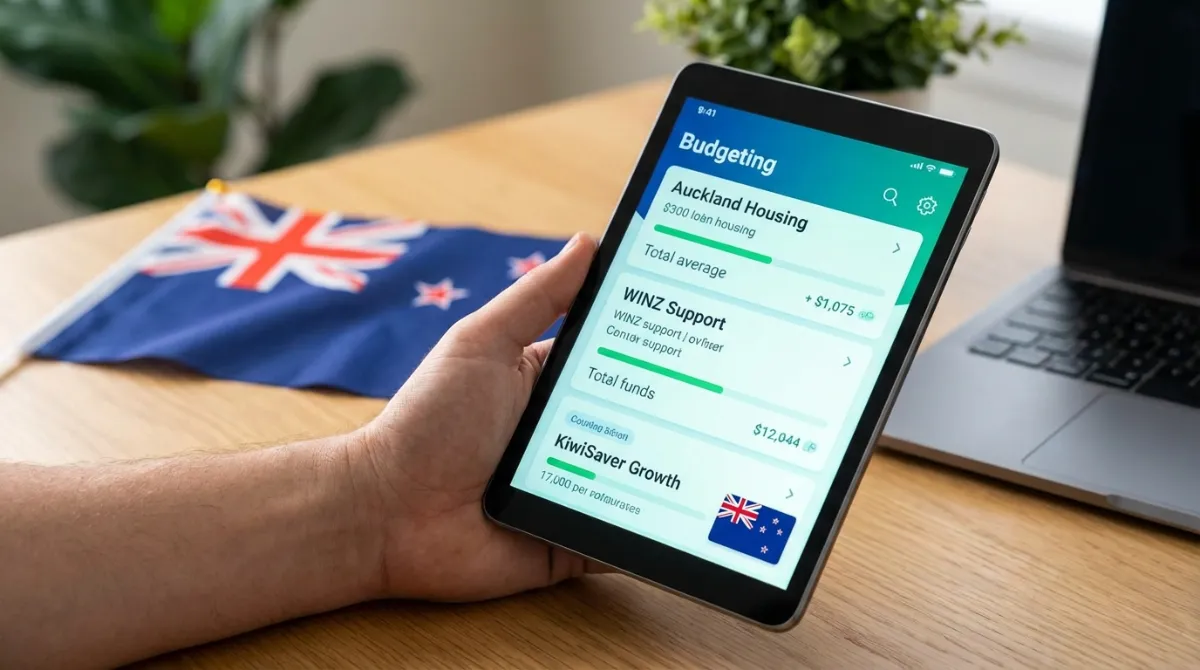
Free Budgeting Tools, Templates & Expert Support
You don’t have to tackle your financial journey alone. New Zealand offers a wealth of free resources:
- Online Budgeting Tools: Websites like Sorted.org.nz provide interactive tools and calculators tailored for New Zealanders.
- Printable Templates: Many organisations, including Mangere Budgeting, offer free downloadable budget templates to help you track income and expenses manually or digitally.
- Community Budgeting Services: Services like Mangere Budgeting provide confidential, non-judgmental financial advice and advocacy. We can help with everything from creating a budget and negotiating with creditors to WINZ advocacy and KiwiSaver optimisation.
- Financial Mentors: Sometimes, just having someone to talk to and guide you makes all the difference. Many services offer one-on-one financial mentoring.
If you’re looking for personalised debt help NZ or expert budgeting tips NZ, don’t hesitate to reach out to Mangere Budgeting. We’re here to help you build a brighter financial future.
Frequently Asked Questions (FAQs)
Q: What is the first step to getting debt help in NZ?
The first step is usually to get a clear picture of your current financial situation. This involves listing all your income, expenses, and debts. Many New Zealand budgeting services offer free consultations to help you with this initial assessment.
Q: How can I create an effective budget for Auckland’s cost of living?
Creating an effective budget in Auckland requires realistic planning for high costs like rent, transport, and groceries. Focus on identifying non-essential spending, seeking out local deals, and utilising free budgeting tools. Organisations like Mangere Budgeting can provide tailored advice specific to Auckland living expenses.
Q: Are there free resources for budgeting tips NZ residents can use?
Yes, absolutely! Numerous free resources are available, including online budgeting tools, printable templates, and community budgeting services. Organisations such as the Commission for Financial Capability (CFFC) provide excellent resources, and local budgeting services like ours offer personalised support.
Q: What are my rights when dealing with debt collectors in New Zealand?
In New Zealand, you have clear rights when dealing with debt collectors. They must act fairly, can’t harass you, and must provide information about the debt if requested. You can ask for proof of the debt and should seek advice from a financial advocate or a budgeting service if you feel your rights are being violated.
Q: Is debt consolidation a good option for everyone in NZ?
Debt consolidation can be a good option for some, but it’s not a one-size-fits-all solution. It involves combining multiple debts into a single, often lower-interest loan, simplifying repayments. However, it requires discipline to avoid accumulating new debt and may extend the repayment period. It’s crucial to seek independent financial advice to determine if it’s the right path for your specific situation.
References & Sources
- Commerce Commission New Zealand. (www.comcom.govt.nz)
- Commission for Financial Capability (CFFC) – Sorted.org.nz. (www.sorted.org.nz)
- Citizens Advice Bureau New Zealand. (www.cab.org.nz)
- Ministry of Social Development (MSD) – Work and Income New Zealand (WINZ). (www.workandincome.govt.nz)