
Cultural Giving Budgeting Tips
Master cultural giving budgeting tips with our expert guide. Learn to honour traditions without financial stress, strengthening your South Auckland community. Get started today!

mangerebudgeting.org.nz
What You Will Learn
Master cultural giving budgeting tips with our expert guide. Learn to honour traditions without financial stress, strengthening your South Auckland community. Get started today!
Cultural Giving Budgeting Tips: Honoring Tradition with Financial Wisdom
In the heart of South Auckland, cultural giving is a cornerstone of community and family life. From supporting church events to participating in fa’alavelave, these contributions are expressions of love, respect, and solidarity. Yet, managing these significant cultural obligations alongside everyday expenses can often feel like a tightrope walk, leading to stress and financial strain. How do you honor your cultural commitments without compromising your family’s financial well-being?
This comprehensive guide from Mangere Budgeting Services will provide you with practical and empathetic cultural giving budgeting tips designed to empower you. We understand the unique cultural landscape of our South Auckland community and are here to help you navigate it with confidence, ensuring your generosity comes from a place of strength, not struggle. Let’s explore how mindful planning can transform cultural giving into a source of pride and stability.
Table of Contents
What is Cultural Giving Budgeting?
Cultural giving budgeting is the intentional process of allocating funds to meet your family and community cultural obligations without creating financial stress. It acknowledges that these contributions are not optional extras, but deeply embedded aspects of life for many in South Auckland, particularly within Pacific Island communities where practices like fa’alavelave (Samoan), fono (Tongan), or other forms of reciprocal support are fundamental.
Rather than reacting to requests or events as they arise, a cultural giving budget allows you to proactively set aside money, understand your capacity, and make informed decisions. It’s about empowering you to participate fully in your cultural life while maintaining overall financial health. It shifts the dynamic from a burden to a well-managed commitment, reflecting true generosity and respect.

Step-by-Step Cultural Giving Budgeting Tips
Implementing effective cultural giving budgeting tips requires a thoughtful approach. Here’s a practical, step-by-step guide to help you get started:
-
1. Understand Your Cultural Commitments
The first step is to gain clarity on the types and frequency of cultural giving you typically engage in. Think about:
- Regular Contributions: Church tithing, regular family support.
- Event-Based Giving: Weddings, funerals (fa’alavelave), birthdays, graduations.
- Community Support: School fundraisers, sports club contributions.
Estimate how many times per year these events occur and what typical contributions involve (cash, gifts, food, services). This isn’t about judging, but understanding the financial landscape of your cultural life.
-
2. Track Your Giving and Other Spending
For one to three months, meticulously track every dollar you spend, including cultural contributions. This provides a realistic picture of where your money is actually going. Many people underestimate their cultural giving, and seeing the actual figures can be eye-opening.
“Understanding your current spending habits is the bedrock of any successful budget, especially when balancing cultural obligations with personal finances.” – Mangere Budgeting Services Expert.
Use a notebook, a spreadsheet, or a budgeting app. Categorize your expenses to clearly see your income, fixed expenses (rent, bills), variable expenses (groceries, transport), and your cultural giving.
-
3. Create a Dedicated Cultural Giving Fund
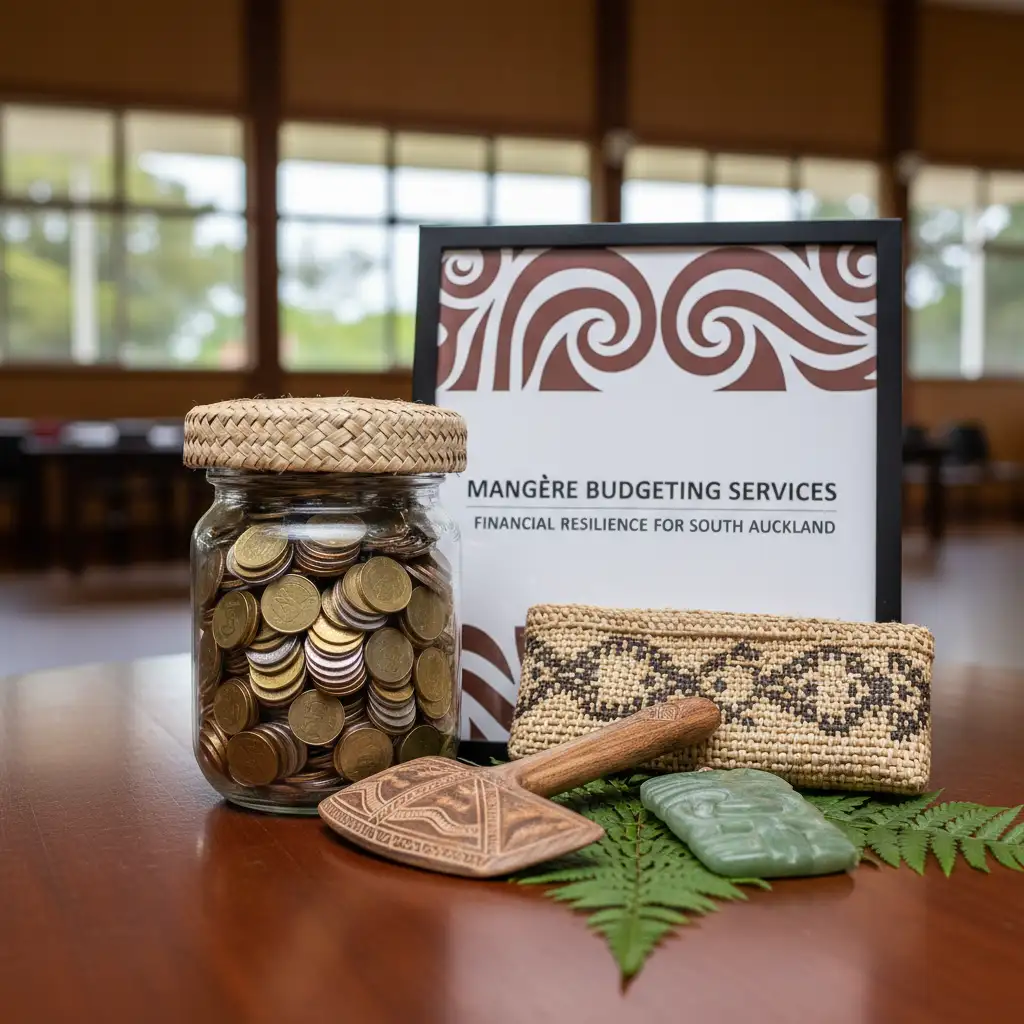
Based on your tracking and understanding of commitments, set a realistic monthly or weekly amount you can consistently contribute to a dedicated cultural giving fund. This could be a separate savings account, a jar at home, or an allocated portion within your main budget. The goal is to accumulate funds gradually so you’re prepared when an event arises, rather than scrambling last minute.
For instance, if you estimate needing $1200 for cultural giving over a year, aim to save $100 per month. This proactive approach significantly reduces financial pressure.
-
4. Communicate and Plan Ahead
Open communication with your immediate and extended family is crucial. Discuss your budget and financial limits in a respectful way. While cultural obligations are important, it’s also vital to protect your family’s financial stability. Planning ahead for known events allows you to set specific saving targets.
If a fa’alavelave is planned months in advance, use that time to save specifically for it. Don’t be afraid to discuss what you can realistically contribute without overextending yourself. Sometimes, non-monetary contributions like time, skills, or food can be just as valuable.
-
5. Seek Support When Needed
Budgeting can be challenging, and cultural expectations can add another layer of complexity. Don’t hesitate to seek guidance from financial advisors or budgeting services like Mangere Budgeting Services. We offer confidential, culturally sensitive advice to help you create a sustainable financial plan that respects your values.
Remember, asking for help is a sign of strength, not weakness. Our goal is to empower you to achieve financial resilience for yourself and your family.
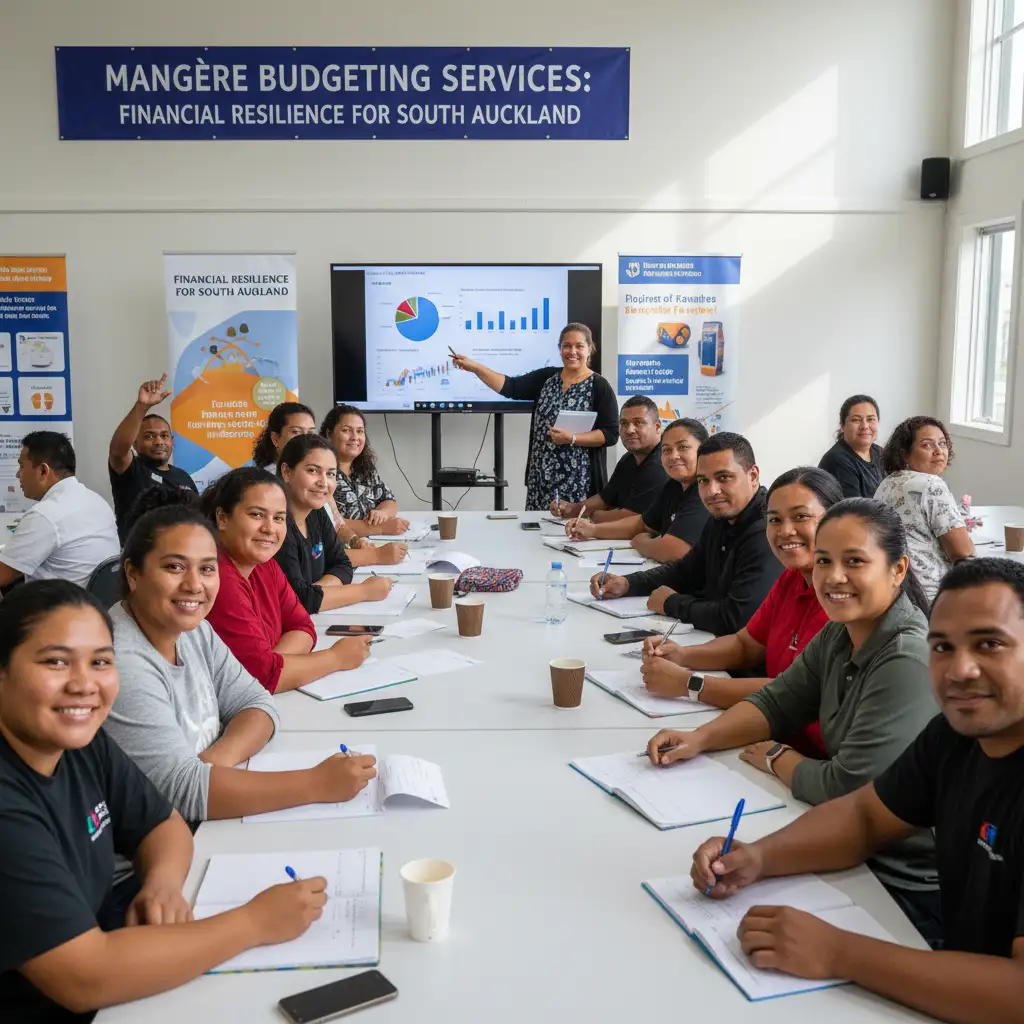
Key Benefits of Budgeting for Cultural Giving
Adopting these cultural giving budgeting tips extends far beyond simply managing money. It brings a wealth of positive impacts to individuals, families, and the wider community:
- Reduced Financial Stress: Proactive budgeting eliminates the panic of unexpected requests. Knowing you have funds set aside brings peace of mind and reduces anxiety around cultural obligations.
- Empowered Participation: You can contribute confidently and generously, knowing you’re doing so within your means. This maintains dignity and avoids the difficult choices between cultural duty and essential living expenses.
- Stronger Family Financial Health: By integrating cultural giving into your overall budget, you protect your family’s savings, investments, and ability to meet long-term goals like homeownership or education.
- Preservation of Cultural Values: Sustainable budgeting ensures that cultural practices remain joyful and enriching, rather than becoming a source of financial burden that might inadvertently strain community ties over time.
- Positive Role Modeling: You set a powerful example for younger generations, teaching them how to honour tradition responsibly and fostering a culture of financial literacy alongside cultural pride.
Stat Callout:
Research consistently shows that households with a budget are significantly less likely to experience financial stress, often reporting higher levels of overall financial satisfaction. Applying this to cultural giving can similarly boost well-being.
Conclusion
Cultural giving is a cherished and vital aspect of life in South Auckland, enriching communities and strengthening family bonds. By adopting thoughtful and practical cultural giving budgeting tips, you can ensure that these meaningful contributions enhance your life without causing undue financial strain.
Mangere Budgeting Services is committed to supporting our community in achieving financial resilience. We encourage you to take these steps, engage in open conversations, and remember that professional, culturally sensitive support is always available. Embrace the power of intentional budgeting, and continue to give generously from a position of financial strength and peace.
Frequently Asked Questions about Cultural Giving Budgeting
What if cultural giving requests are unpredictable?
While some events are unpredictable, having a dedicated cultural giving fund helps. You can also prioritize. It’s acceptable to contribute what you can afford, or offer non-monetary support if cash is tight. Open communication with family is key to managing expectations.
How do I discuss financial limits with family without causing offense?
Approach the conversation with respect and humility, emphasizing your commitment to fulfilling obligations while also being responsible for your immediate family’s financial well-being. Frame it as being proactive and planning ahead. You might say, “We deeply value our family and cultural traditions, and to ensure we can continue supporting them long-term, we’ve started budgeting specifically for these events.”
Is it okay to say no or offer less than expected?
Yes, it is absolutely okay. Financial boundaries are healthy. Contributing beyond your means can lead to debt, stress, and eventually an inability to contribute at all. Your well-being is paramount. Offering a smaller, sustainable contribution or helping in other ways (e.g., cooking, cleaning, organizing) is often appreciated and demonstrates genuine care.
What resources are available for further budgeting help in South Auckland?
Mangere Budgeting Services offers free, confidential budgeting advice and support tailored to the unique needs of South Auckland families. There are also local community centers and financial literacy programs that can provide guidance.
References/Sources
- Mangere Budgeting Services Official Website. (Ongoing). Financial Literacy Resources.
- Ministry of Social Development (MSD) New Zealand. (Various publications). Financial Capability and Well-being.
- The Commission for Financial Capability (CFFC) Te Ara Ahunga Ora. (Ongoing). Sorted.org.nz.
- Pacific Peoples Social and Economic Reports, Statistics New Zealand. (Various).