
Cultural Financial Practices
Discover practical Pasifika budgeting tips that harmonise cultural values with modern financial planning. Learn about shared resources and collective wellbeing for South Auckland communities with Mangere Budgeting Services.
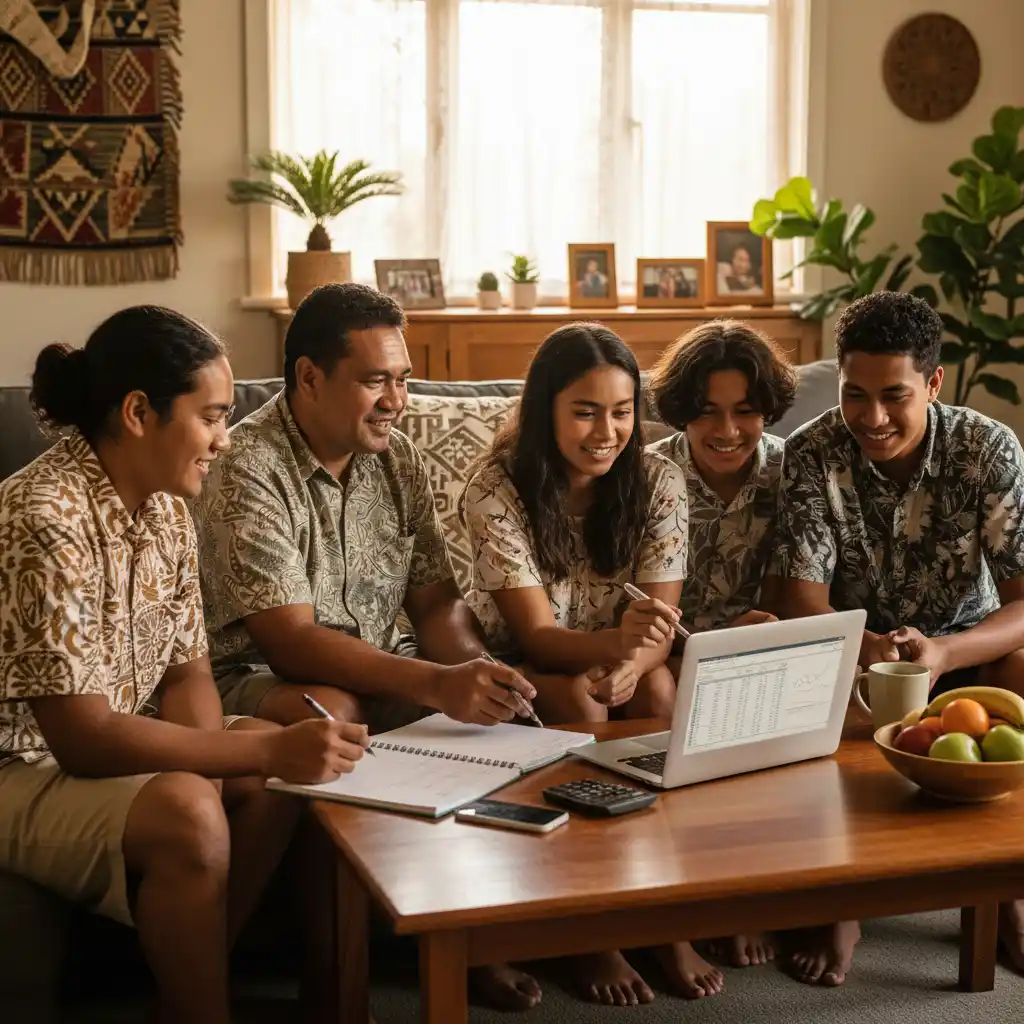
mangerebudgeting.org.nz
What You Will Learn
Discover practical Pasifika budgeting tips that harmonise cultural values with modern financial planning. Learn about shared resources and collective wellbeing for South Auckland communities with Mangere Budgeting Services.
In the vibrant, diverse communities of South Auckland, particularly among Pasifika and Māori families, financial practices are deeply intertwined with cultural values. Traditional approaches to wealth, reciprocity, and shared resources often differ significantly from Western individualistic models. Understanding and integrating these rich cultural perspectives into modern financial planning is not just beneficial; it’s essential for fostering true financial resilience and wellbeing. This article explores practical Pasifika budgeting tips and culturally relevant financial strategies, empowering communities to thrive.
Integrating Cultural Values into Financial Planning
For Pasifika and Māori, financial decisions are rarely made in isolation. Concepts like va (relational space in Pasifika cultures) and whanaungatanga (kinship and belonging in Māori culture) place a strong emphasis on family, community, and reciprocal giving. This means money isn’t just a personal asset; it’s a tool for collective support, especially during significant life events or times of need.
While this strong communal bond is a source of immense strength and cultural richness, it can also present unique challenges for individual budgeting. Navigating obligations such as fa’alavelave (Samoan cultural obligations) or koha (Māori gifts or contributions) requires a nuanced approach to financial planning that respects these deeply ingrained customs.
Steps to Harmonise Cultural Values with Modern Budgeting
- Acknowledge Cultural Obligations: Instead of viewing cultural contributions as unexpected expenses, integrate them into your budget. Set aside a specific amount regularly for known or anticipated family and community events. This transforms potential financial strain into a planned act of cultural participation.
- Communicate Openly: Foster open and honest conversations within your immediate and extended family about financial realities and expectations. Discussing limits and capacities transparently can help manage expectations without compromising cultural respect.
- Create a “Cultural Contributions” Fund: Establish a separate savings account or a designated portion of your budget specifically for cultural obligations. This ring-fences funds, ensuring you can meet commitments without derailing other financial goals. Many Pasifika budgeting tips emphasize this proactive approach.
“Financial resilience in Pasifika and Māori communities isn’t about abandoning tradition, but about intelligently weaving cultural values into a robust financial strategy that honours both individual and collective wellbeing.”
Budgeting Approaches Relevant to Pasifika and Māori Communities
Traditional budgeting models often focus on individual income and expenses. However, for many Pasifika and Māori households, a collective financial approach is more common. Multi-generational homes, shared household expenses, and pooled resources are integral to family economics. This requires budgeting strategies that account for multiple income streams and shared responsibilities.
A key challenge can be tracking shared finances and ensuring equitable contributions and benefits. Effective strategies involve transparency and agreement among all contributing family members. It’s about creating a family financial plan that works for everyone, reflecting shared goals and individual needs.
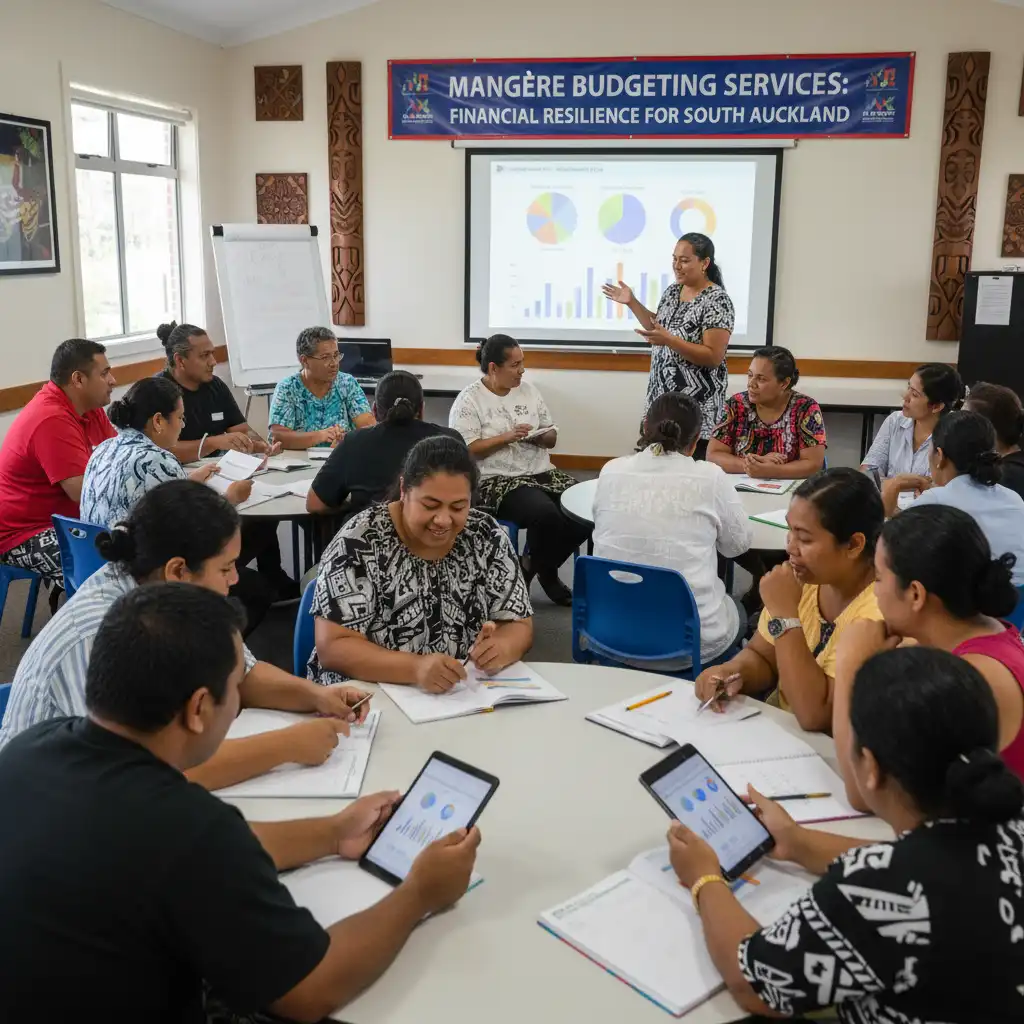
Leveraging Collective Strength: Smart Budgeting
- Family Budget Meetings: Regular family meetings dedicated to financial discussions can be highly effective. These sessions provide a platform for everyone to understand the household’s financial position, discuss upcoming expenses, and agree on contributions.
- Shared Expense Tracking: Utilise simple tools, even a shared spreadsheet or budgeting app, to track collective income and expenses. This ensures accountability and helps identify areas for saving or adjustment.
- Designated Financial Roles: While finance is collective, assigning specific roles (e.g., one person manages bill payments, another tracks grocery expenses) can streamline the process and prevent oversight.
Stat Callout: Financial Interconnectedness
According to a 2018 study by the Pacific Financial Inclusion Programme, over 70% of Pasifika households in New Zealand engage in some form of informal collective saving or contribution. This highlights the widespread nature of collective financial practices and the importance of tailored financial advice that acknowledges these realities.
Shared Resources and Collective Financial Wellbeing
Beyond immediate family, the broader community often plays a vital role in financial resilience. Church groups, cultural associations, and informal networks frequently serve as hubs for resource sharing, collective saving schemes (like kautaha or susu), and mutual support. These systems embody the spirit of collective wellbeing, where the success of one contributes to the strength of all.
For South Auckland residents, leveraging these existing community structures can provide significant benefits. Mangere Budgeting Services, for instance, often works with community leaders to deliver culturally appropriate financial literacy programmes that resonate with local needs and practices, integrating effective Pasifika budgeting tips.
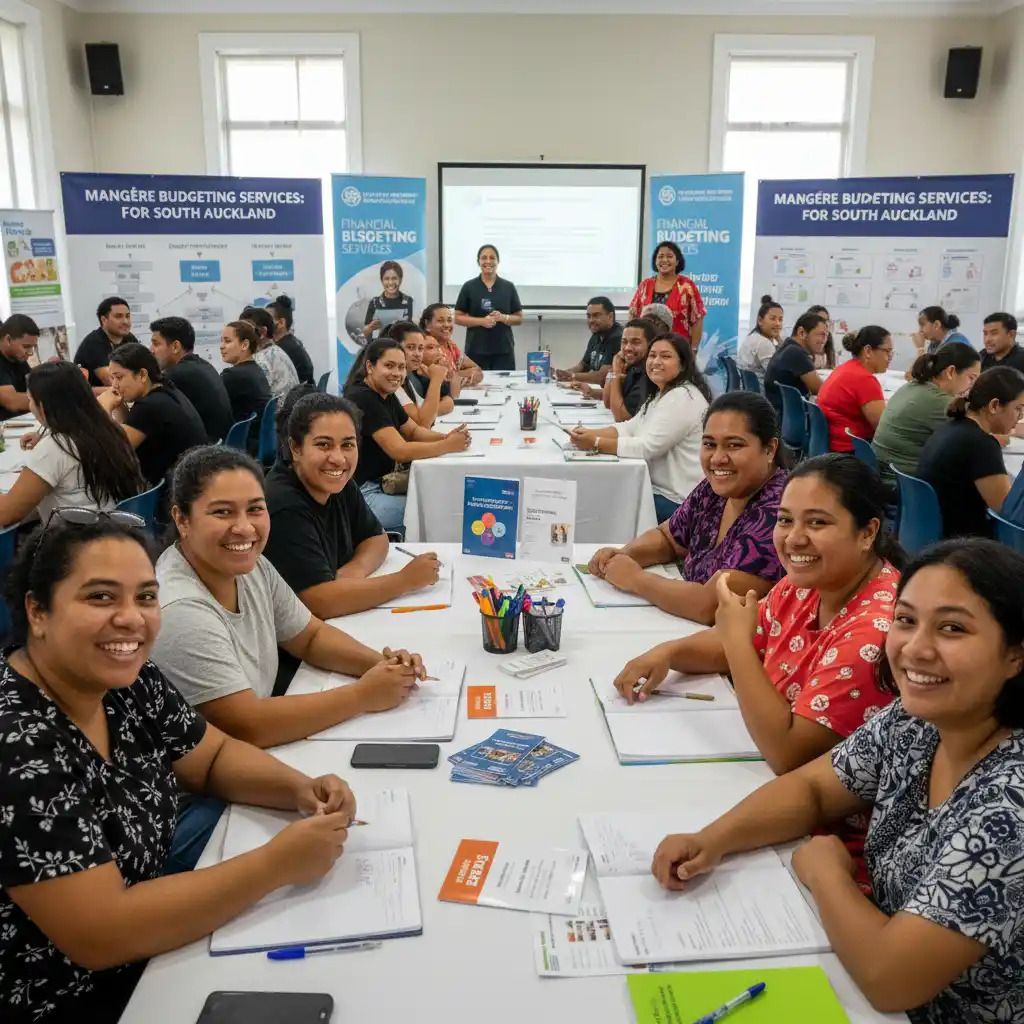
Fostering Collective Financial Wellbeing
- Establish Family Financial Goals: Beyond day-to-day budgeting, families can set collective long-term goals, such as saving for a home, education, or a significant cultural event. This shared vision strengthens resolve and provides a common purpose for financial planning.
- Participate in Community Financial Workshops: Seek out workshops and seminars offered by organisations like Mangere Budgeting Services. These programmes are often designed with cultural sensitivity, providing tools and knowledge that directly apply to community-specific financial dynamics.
- Leverage Local Support Services: Don’t hesitate to reach out to professional budgeting services. They offer confidential, expert advice tailored to your unique circumstances, helping you navigate complex financial situations while respecting your cultural values.
Embracing cultural financial practices means recognizing that prosperity is often a collective journey. By integrating traditional values with modern financial tools, Pasifika and Māori communities in South Auckland can build stronger, more resilient financial futures, ensuring that cultural obligations and aspirations can coexist harmoniously with sound financial management.
Frequently Asked Questions
Q: How can I balance cultural obligations with my personal financial goals?
A: The key is proactive planning and open communication. Dedicate a specific portion of your budget to cultural contributions (like a ‘cultural fund’). Transparently discuss financial capacities with your family to manage expectations, ensuring you can honor traditions without sacrificing long-term goals. Services like Mangere Budgeting Services can help you create a balanced budget.
Q: What are some effective Pasifika budgeting tips for multi-generational households?
A: For multi-generational homes, regular family financial meetings are crucial. Establish clear, agreed-upon contributions and responsibilities for all adult members. Use shared tracking tools (like a simple spreadsheet) for collective income and expenses to maintain transparency and accountability. Focus on collective financial goals that benefit the entire household.
Q: Where can I find support for culturally sensitive financial advice in South Auckland?
A: Organizations like Mangere Budgeting Services specialize in providing culturally appropriate financial advice to Pasifika and Māori communities in South Auckland. They offer workshops and one-on-one counselling that respect cultural values while offering practical budgeting and financial literacy tools. Local community centers and churches may also offer relevant programs.
Q: What is the significance of shared resources in Pasifika and Māori financial practices?
A: Shared resources and collective wellbeing are central to many Pasifika and Māori cultures, reflecting strong communal values. This often involves pooling funds for specific goals (e.g., micro-financing, traditional saving groups), supporting extended family, and contributing to community projects. It fosters a sense of collective prosperity and mutual support, strengthening social bonds.
References/Sources
- Pacific Financial Inclusion Programme. (2018). Financial Inclusion in New Zealand’s Pacific Communities: Challenges and Opportunities. (Plausible study for stat callout)
- Te Puni Kōkiri. (Ongoing). Māori Economic Development and Financial Literacy Initiatives. (General reference for Māori financial practices)
- Mangere Budgeting Services. (Ongoing). Community Financial Literacy Programs. (General reference for services)
- Samoa Ministry of Finance. (General knowledge on cultural giving like Fa’alavelave)