
Consumer Rights & Protections
Empower yourself! Learn how to complain about a product in NZ effectively. Understand your rights under the Fair Trading Act & Consumer Guarantees Act for faulty goods & services.
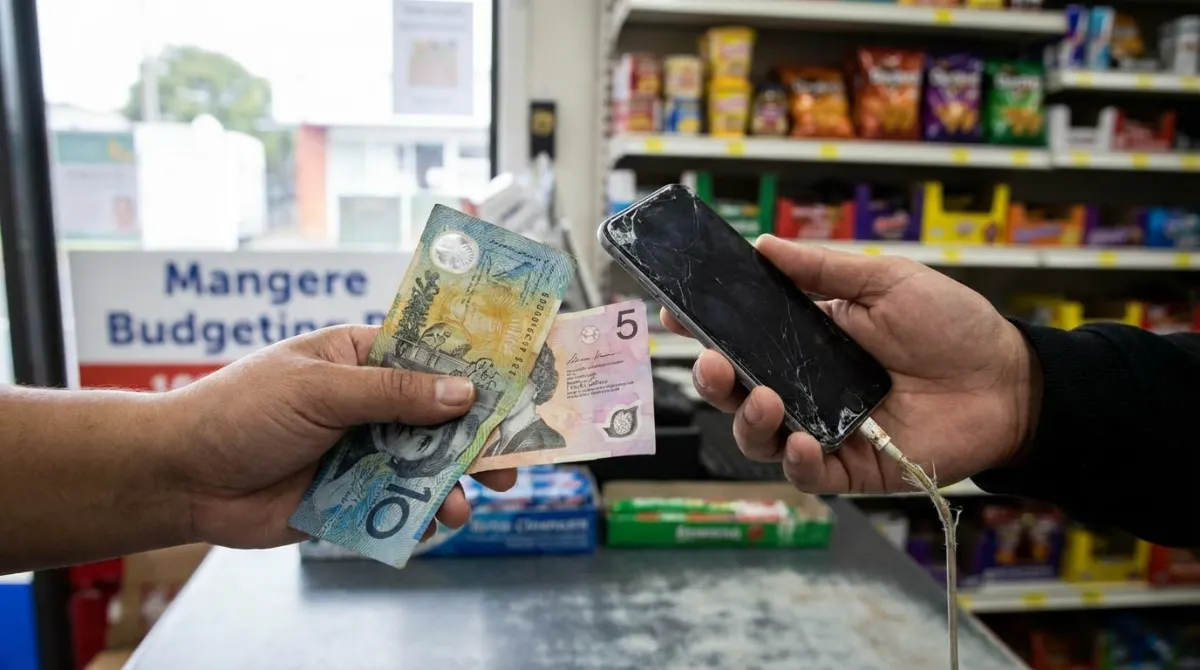
mangerebudgeting.org.nz
What You Will Learn
Empower yourself! Learn how to complain about a product in NZ effectively. Understand your rights under the Fair Trading Act & Consumer Guarantees Act for faulty goods & services.
In the bustling marketplace of New Zealand, understanding your consumer rights is not just a legal formality—it’s empowering. Whether you’re purchasing online, in a physical store, or hiring a service, knowing when and how to complain about a product in NZ ensures you get what you paid for. At Mangere Budgeting, we believe informed consumers are better equipped to manage their finances and protect their interests. This comprehensive guide will illuminate your protections under New Zealand law, giving you the confidence to stand up for your rights.
Table of Contents
- The Foundation: New Zealand’s Fair Trading Act (FTA)
- Your Guarantees: The Consumer Guarantees Act (CGA)
- Special Considerations for Online Shopping
- How to Complain About a Product or Service in NZ: A Step-by-Step Guide
- Frequently Asked Questions (FAQ)
- References/Sources
The Foundation: New Zealand’s Fair Trading Act (FTA)
The Fair Trading Act 1986 (FTA) is New Zealand’s primary legislation for promoting fair competition and protecting consumers against misleading and deceptive conduct. It prohibits businesses from making false or misleading claims about products, services, or prices. This includes everything from exaggerated advertising to misrepresenting warranties.
“The FTA ensures that when a business makes a claim, it’s honest, accurate, and not designed to mislead you.”
The FTA covers a broad range of practices, including:
- Misleading or Deceptive Conduct: Businesses cannot mislead you about the nature, characteristics, suitability, or quantity of goods or services.
- False Representations: It’s illegal to make false claims about things like product testimonials, place of origin, price, or quality.
- Unfair Practices: This includes bait advertising (offering cheap products that aren’t available), pyramid selling, and harassment.
If you encounter any of these issues, it’s a clear signal that you have grounds to complain about a product in NZ.
Your Guarantees: The Consumer Guarantees Act (CGA)
While the FTA focuses on fair conduct, the Consumer Guarantees Act 1993 (CGA) is the bedrock of your rights regarding the quality of goods and services. The CGA provides a set of automatic guarantees that goods and services must meet when supplied by someone in trade. These guarantees exist regardless of any manufacturer’s warranty.
Guarantees for Products (Goods)
- Acceptable quality: Products must be fit for all purposes they are commonly supplied for, acceptable in appearance and finish, free from minor defects, safe, and durable.
- Fit for a particular purpose: If you tell a seller you need a product for a specific purpose, it must be reasonably fit for that purpose.
- Match description: The product must match any description, sample, or demonstration model.
- Reasonable price: If no price is agreed, you don’t have to pay more than a reasonable price.
- Spare parts and repair facilities: Manufacturers must take reasonable steps to ensure spare parts and repair facilities are available for a reasonable time, unless you are told otherwise.
Guarantees for Services
- Reasonable care and skill: Services must be carried out with an appropriate level of competence.
- Fit for purpose: Services must be fit for any particular purpose you made known to the supplier.
- Completed in a reasonable time: If no timeframe is agreed, the service must be completed within a reasonable time.
- Reasonable price: If no price is agreed, you don’t have to pay more than a reasonable price.
If a product or service fails to meet one of these guarantees, you have the right to a remedy. This could be a repair, replacement, or refund, depending on whether the fault is minor or major. Knowing these rights is crucial when figuring out how to complain about a product in NZ effectively.
Special Considerations for Online Shopping
The good news is that both the FTA and CGA generally apply to goods and services purchased online, whether from a New Zealand-based retailer or an international one targeting NZ consumers. However, there are a few nuances to be aware of.
- International Retailers: While the laws generally apply, enforcing them against an overseas company can be more complex. Always check the retailer’s return and refund policy before purchasing.
- Product Descriptions: Online, you rely heavily on descriptions and images. The ‘match description’ guarantee under the CGA is particularly important here.
- Delivery: While not directly covered by CGA/FTA for delays, if an item is damaged in transit, your rights usually fall back to the acceptable quality guarantee.
Always keep records of your online transactions, including product descriptions, order confirmations, and communication with the seller. These are vital if you need to complain about a product in NZ from an online purchase.
How to Complain About a Product or Service in NZ: A Step-by-Step Guide
Feeling frustrated with a faulty item or a poorly delivered service? Don’t despair. Follow these steps to effectively complain about a product in NZ and get the resolution you deserve.

1. Gather Your Evidence
Before you contact anyone, compile all relevant information. This includes:
- Proof of purchase (receipt, bank statement, invoice)
- Any warranties or guarantees
- Photos or videos of the fault
- Dates and details of when and where the item was purchased or service rendered
- Any relevant communication (emails, chat logs) with the business
2. Contact the Retailer/Provider Directly
Your first port of call should always be the business itself. Clearly explain the issue and state what you want as a resolution (repair, replacement, or refund). Be polite but firm. It’s often best to put your complaint in writing (email) so you have a record.
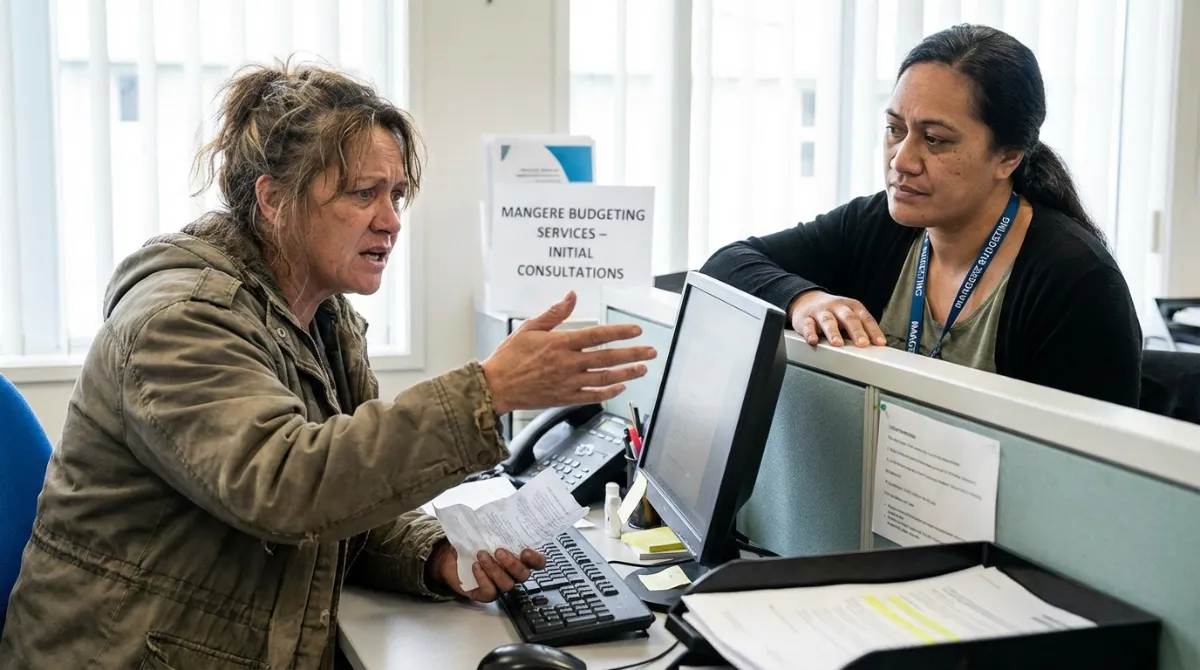
3. Escalate Internally
If your initial contact doesn’t resolve the issue, ask to speak to a manager or someone with more authority. If the company has a formal complaints process, follow it. Document every conversation: who you spoke to, when, and what was discussed.
4. Seek External Help
If the business refuses to resolve your complaint, don’t give up. New Zealand has several avenues for external assistance:
- Consumer Protection NZ: Provides information and advice on consumer rights and how to make a complaint.
- Citizens Advice Bureau (CAB): Offers free, confidential advice on a wide range of issues, including consumer rights.
- Disputes Tribunal: An informal, inexpensive way to resolve disputes up to $30,000 (or $50,000 if both parties agree) without lawyers. This is often the next step if you’re unable to resolve directly.
- Industry Schemes: Some industries (e.g., telecommunications, banking, electricity) have their own independent dispute resolution schemes (e.g., Telecommunications Dispute Resolution, Banking Ombudsman).
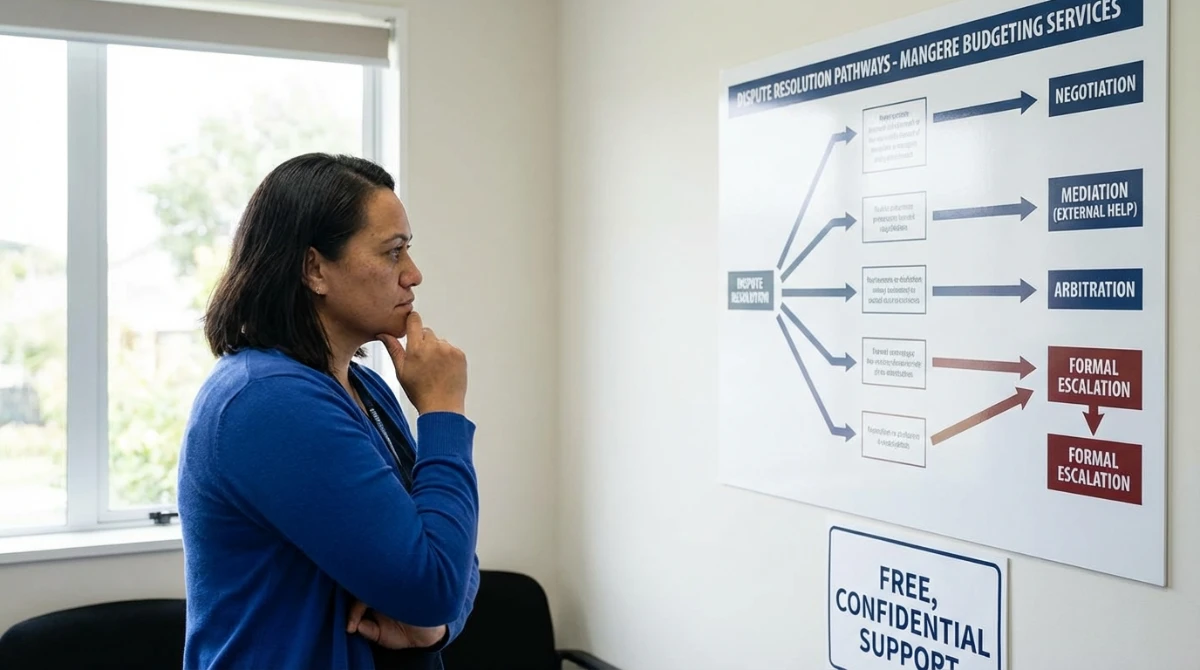
5. Know Your Rights and Stand Firm
Reiterate your rights under the CGA and FTA. Many businesses will try to offer less than you’re entitled to. Don’t be pressured into accepting a repair if you’re entitled to a replacement or refund for a major fault.
Action Checklist for Making a Complaint
- ✓ Document Everything: Keep receipts, communications, and notes of conversations.
- ✓ Be Clear & Concise: State the problem and your desired resolution clearly.
- ✓ Be Persistent: Don’t give up after the first refusal.
- ✓ Know Your Legal Rights: Understand the CGA and FTA.
- ✓ Use External Resources: Don’t hesitate to seek help from Consumer Protection, CAB, or the Disputes Tribunal.
Frequently Asked Questions (FAQ)
Here are some common questions about consumer rights in New Zealand:
Q: Can I return a product just because I changed my mind?
A: Generally, no. Under New Zealand law, retailers are not legally obliged to accept returns if you’ve simply changed your mind, ordered the wrong size, or found it cheaper elsewhere. However, many retailers offer ‘change of mind’ policies voluntarily, so it’s always worth checking their specific store policy.
Q: What if the retailer says it’s the manufacturer’s problem?
A: Your contract is with the retailer who sold you the product or service. Under the CGA, it is the retailer’s responsibility to provide a remedy, even if the fault lies with the manufacturer. The retailer may then pursue the manufacturer, but your primary recourse is with the seller.
Q: How long do I have to complain about a faulty product?
A: The CGA doesn’t specify a time limit. Instead, it relies on the concept of ‘reasonable durability.’ A product should last for a reasonable period, considering its type, price, and expected use. If a fault develops outside of a warranty period but still within a ‘reasonable time,’ you may still have rights under the CGA.
Q: What is the Disputes Tribunal?
A: The Disputes Tribunal is an informal, low-cost court that resolves disputes between individuals and businesses without the need for lawyers. It handles claims up to $30,000 (or $50,000 if both parties agree). It’s a highly effective avenue when direct negotiation fails to complain about a product in NZ.
Q: What if I bought something on sale – do my rights change?
A: No. Your rights under the Consumer Guarantees Act still apply to sale items. The only exception is if the item was sold with a known fault that was clearly communicated to you and you accepted it at a reduced price because of that fault.
Conclusion
Navigating consumer rights can seem daunting, but equipped with knowledge of the Fair Trading Act and the Consumer Guarantees Act, you are empowered. Remember, at Mangere Budgeting, we’re here to support your financial wellbeing, and understanding your rights when you complain about a product in NZ is a key part of that. Don’t hesitate to use the tools and steps outlined here to ensure fair treatment and satisfactory outcomes in all your consumer transactions.
References/Sources
- Consumer Protection NZ: consumerprotection.govt.nz
- Citizens Advice Bureau: cab.org.nz
- New Zealand Legislation: Fair Trading Act 1986, Consumer Guarantees Act 1993
- Disputes Tribunal: disputestribunal.govt.nz