
Choosing the Best KiwiSaver Fund for You
Discover how to choose the best KiwiSaver fund for you. Compare options, understand fees, risk, and ethical investing to optimise your financial future in NZ.

mangerebudgeting.org.nz
What You Will Learn
Discover how to choose the best KiwiSaver fund for you. Compare options, understand fees, risk, and ethical investing to optimise your financial future in NZ.
Choosing the Best KiwiSaver Fund for You: Your Path to Financial Growth
Navigating the world of KiwiSaver can feel overwhelming, especially when faced with a multitude of fund options. Yet, choosing the best KiwiSaver fund for you is one of the most critical financial decisions you’ll make in New Zealand. It’s not just about saving for retirement; it’s about making your money work smarter, aligning with your life goals, and securing your future. This comprehensive guide, brought to you by Mangere Budgeting, will demystify KiwiSaver fund comparison, empowering you to make an informed choice.
Table of Contents
- Assessing Your Risk Tolerance and Time Horizon
- Understanding Fund Types: Conservative, Balanced, Growth, Aggressive
- Evaluating Fund Performance and Historical Returns
- Key Factors to Consider: Fees, Ethical Investing, Provider Reputation
- Tools and Calculators for Fund Comparison
- Reviewing Your Fund Choice Periodically
- Seeking Personalised Fund Advice
- What to Do if Your Current Fund Isn’t Working
- Frequently Asked Questions
- References & Sources
Assessing Your Risk Tolerance and Time Horizon
Before you dive into a KiwiSaver fund comparison, it’s crucial to understand yourself as an investor. Your risk tolerance is how comfortable you are with the value of your investment going up and down. Are you someone who would panic if your balance dropped significantly, or can you weather market fluctuations for long-term gains?
Your time horizon refers to how long you plan to keep your money invested before you need to access it (e.g., for a first home, retirement). Generally, if you have a longer time horizon (10+ years), you can afford to take on more risk, as there’s more time for the market to recover from downturns.
Key Insight: Understanding your comfort with risk and your investment timeframe is the foundation for choosing the best KiwiSaver fund for you. Don’t let fear or short-term thinking dictate a long-term strategy.

Understanding Fund Types: Conservative, Balanced, Growth, Aggressive
KiwiSaver funds are typically categorised by their asset allocation – the mix of defensive assets (cash, fixed interest) and growth assets (shares, property). This mix directly influences their risk and return profile. Here’s a breakdown:
| Fund Type | Risk Level | Typical Growth Assets | Suitable For |
|---|---|---|---|
| Conservative | Low | 10-35% | Short-term goals (1-3 years), very risk-averse, close to retirement/first home withdrawal. |
| Balanced | Medium | 35-63% | Medium-term goals (3-7 years), moderate risk tolerance. |
| Growth | High | 63-80% | Long-term goals (7-10+ years), comfortable with market fluctuations. |
| Aggressive | Very High | 80%+ | Very long-term goals (10+ years), high risk tolerance, comfortable with significant volatility. |
Understanding these categories is key to finding the best KiwiSaver fund for me. Don’t just pick a fund type because it sounds good; match it to your personal profile.
Evaluating Fund Performance and Historical Returns
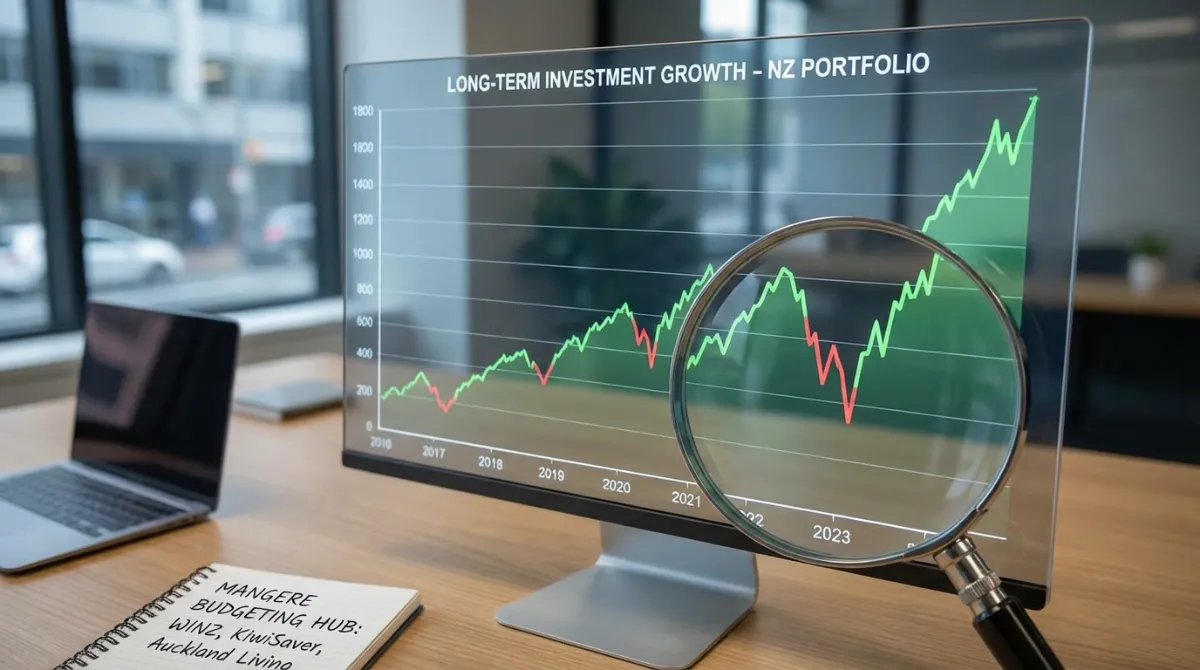
While past performance is not a reliable indicator of future returns, it provides valuable insight into a fund manager’s capability and consistency. When performing a KiwiSaver fund comparison, look at returns over various periods (1, 3, 5, 10 years) and compare them against similar funds and market benchmarks.
Consider how a fund performed during both good and bad market conditions. A fund that manages to limit losses during downturns might be preferable to one that only performs well in boom times. However, always remember: focus on the long term. Short-term market dips are normal and often present buying opportunities within a KiwiSaver context.
Key Factors to Consider: Fees, Ethical Investing, Provider Reputation
Fees: The Silent Wealth Eroder
Fees might seem small, but over decades, they can significantly impact your final KiwiSaver balance. Look for:
- Management fees: An annual percentage of your investment.
- Administration fees: Often a fixed dollar amount per year.
- Performance fees: Charged if a fund manager exceeds certain benchmarks (less common in KiwiSaver).
Stat Callout:
Did you know a 0.5% difference in annual fees could cost you tens of thousands of dollars over a 30-year investment period? Always scrutinise the Product Disclosure Statement (PDS) for fee structures.
Ethical Investing (ESG)
Many New Zealanders are increasingly interested in where their money is invested. Ethical or Responsible Investment funds avoid sectors like tobacco, controversial weapons, fossil fuels, and gambling. If this aligns with your values, investigate providers’ Environmental, Social, and Governance (ESG) policies.
Provider Reputation and Service
Consider the overall reputation, customer service, and digital tools offered by KiwiSaver providers. Do they offer clear communication? Is it easy to access your statements and track your fund? A reliable provider makes managing your KiwiSaver simple and stress-free.
Tools and Calculators for Fund Comparison
Several excellent resources can help with your KiwiSaver fund comparison:
- Sorted.org.nz KiwiSaver Fund Finder: An independent, free tool to compare funds based on fees, returns, and risk.
- Individual Provider Websites: Most providers offer calculators to estimate your future balance based on different contribution rates and fund types.
- Financial Advisers: For personalised advice, especially if your situation is complex.

Reviewing Your Fund Choice Periodically
Your life circumstances change, and so might your ideal KiwiSaver fund. It’s wise to review your fund choice at least once a year, or whenever significant life events occur (e.g., buying a first home, starting a family, nearing retirement). Ask yourself:
- Has my risk tolerance changed?
- Is my time horizon shorter or longer now?
- Are the fees still competitive?
- Does the fund still align with my ethical values?
- How has the fund performed relative to its peers and benchmarks?
This regular check-up ensures your fund remains the best KiwiSaver fund for you as your life evolves.
Seeking Personalised Fund Advice
While this guide provides a strong foundation, sometimes a personal conversation can make all the difference. Mangere Budgeting offers expert, approachable financial guidance tailored to your unique situation, including WINZ advocacy, KiwiSaver optimisation, and Auckland cost-of-living survival guides. Don’t hesitate to reach out if you need assistance in identifying the best KiwiSaver fund for me or navigating any other financial challenge.
What to Do if Your Current Fund Isn’t Working
If, after review, you determine your current KiwiSaver fund is no longer suitable, don’t panic. Here’s an action checklist:
- Identify the ‘Why’: Is it due to poor performance, changing risk tolerance, high fees, or ethical concerns?
- Research Alternatives: Use comparison tools like Sorted.org.nz to identify funds that better match your criteria.
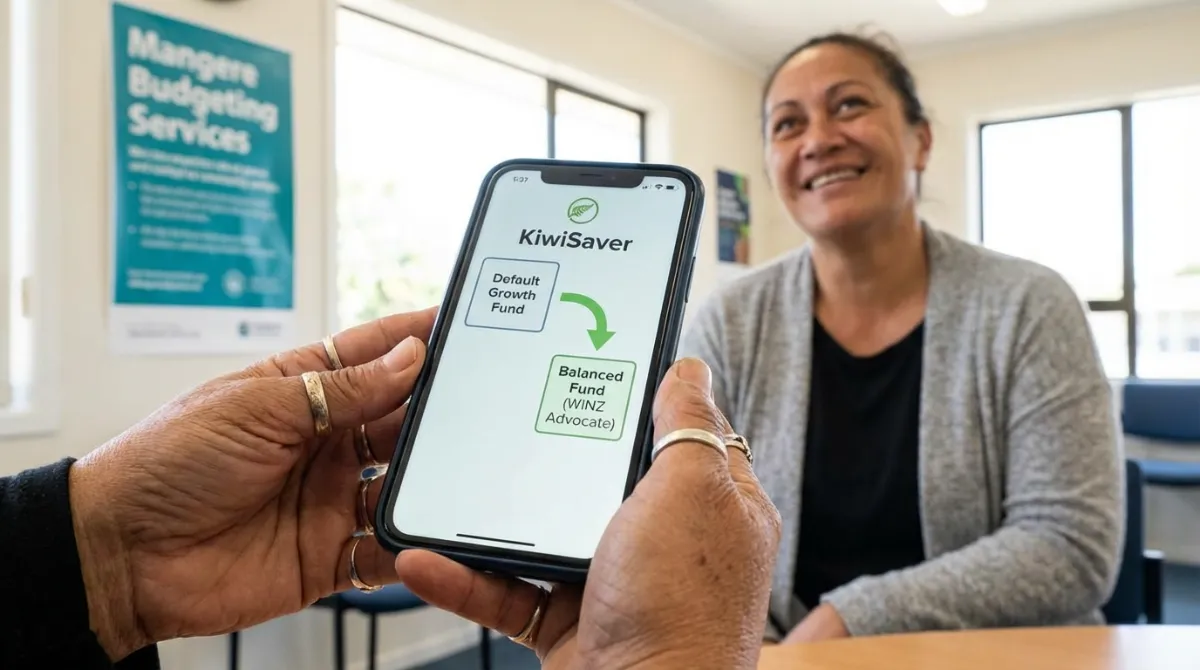
- Contact Your Provider: Most providers make it easy to switch funds within their own offering.
- Consider Switching Providers: If you find a better fund with a different provider, you can switch your entire KiwiSaver account. This typically involves filling out a form with your new provider, who handles the transfer.
- Seek Advice: If unsure, consult a financial adviser or reach out to us at Mangere Budgeting.
Remember, switching funds is a straightforward process and a normal part of optimising your long-term financial strategy.
Frequently Asked Questions
Q: How often should I check my KiwiSaver fund?
A: It’s recommended to review your KiwiSaver fund at least once a year, or whenever there’s a significant change in your life circumstances, such as buying a home, changing jobs, or nearing retirement.
Q: Can I switch my KiwiSaver fund at any time?
A: Yes, generally you can switch your KiwiSaver fund or provider at any time. There are usually no fees for switching funds, though it’s always good to check with your current provider first.
Q: What’s the main difference between a conservative and a growth fund?
A: The main difference lies in their asset allocation. Conservative funds hold a higher percentage of defensive assets (cash, fixed interest) and less growth assets (shares), leading to lower risk and potentially lower returns. Growth funds have a higher percentage of growth assets, meaning higher risk but also higher potential for returns over the long term.
Q: Are lower fees always better for KiwiSaver?
A: While lower fees are generally beneficial, the ‘best’ fund isn’t solely determined by fees. You need to balance fees with the fund’s historical performance, the provider’s reputation, and how well it aligns with your risk tolerance and ethical preferences. A slightly higher fee might be justified by consistently strong returns.
References & Sources
- Financial Markets Authority (FMA) – www.fma.govt.nz/kiwisaver/
- Sorted.org.nz – KiwiSaver Fund Finder – www.sorted.org.nz/guides/kiwisaver/kiwisaver-fund-finder/
- KiwiSaver Product Disclosure Statements (PDS) from various providers.
- NZX Limited – www.nzx.com/