
Budgeting Tools & Financial Planning
Unlock financial freedom with effective budgeting tools in South Auckland. Learn simple methods, create family budgets, track expenses, and set goals. Start your journey to financial wellbeing today!
mangerebudgeting.org.nz
What You Will Learn
Unlock financial freedom with effective budgeting tools in South Auckland. Learn simple methods, create family budgets, track expenses, and set goals. Start your journey to financial wellbeing today!
Budgeting Tools & Financial Planning for South Auckland
Unlock your financial potential with practical strategies and effective budgeting tools South Auckland residents can use to build a secure future.
Introduction to Personal Budgeting
In the vibrant communities of South Auckland, managing your money effectively is more than just about paying bills – it’s about building a foundation for a stable, prosperous future for yourself and your whānau. Personal budgeting is the cornerstone of financial well-being, providing a clear roadmap for your income and expenses. It’s not about restriction; it’s about empowerment, helping you make informed decisions, reduce stress, and achieve your financial aspirations.
Many people feel overwhelmed by the idea of budgeting, but it doesn’t have to be complicated. With the right approach and accessible budgeting tools South Auckland, you can transform your financial habits and take control of your money. This guide will walk you through simple, effective methods to get started, create a family budget, track your spending, and set realistic financial goals.
Table of Contents
- Simple Budgeting Methods
- Creating a Family Budget
- Tracking Expenses Effectively
- Setting Realistic Financial Goals
- Your Budgeting Journey: An Action Checklist
- Frequently Asked Questions (FAQ)
- References & Sources
Simple Budgeting Methods
Starting a budget doesn’t require a finance degree. Here are a few straightforward methods popular for their simplicity and effectiveness, adaptable for any South Auckland household.
1. The 50/30/20 Rule
- 50% for Needs: Essential expenses like housing, groceries, transportation, and utilities.
- 30% for Wants: Discretionary spending such as dining out, entertainment, hobbies, and new clothes.
- 20% for Savings & Debt Repayment: Funds allocated to savings goals (emergency fund, house deposit) or paying down debt (credit cards, personal loans).
2. Zero-Based Budgeting
With this method, every dollar of your income is assigned a purpose – whether it’s an expense, savings, or debt repayment. The goal is for your income minus your expenses and savings to equal zero. This ensures you’re intentional with every dollar, leaving no money unaccounted for. It requires a bit more planning but offers excellent control.
3. The Envelope System (Cash Budgeting)
Ideal for those who prefer physical cash and struggle with overspending. After paying fixed bills, divide your remaining cash into envelopes labelled for different spending categories (e.g., ‘Groceries’, ‘Entertainment’, ‘Transport’). Once an envelope is empty, you stop spending in that category until the next budgeting cycle. This is a tangible way to limit spending.

Creating a Family Budget
A family budget involves everyone, fostering shared financial responsibility and a common understanding of household goals. It’s a powerful way to unite around financial objectives.
1. Gather Financial Documents
Collect all income statements, bank statements, utility bills, loan statements, and receipts from the last few months. This gives you a clear picture of your household’s financial inflows and outflows.
2. List All Sources of Income
Detail every source of money coming into your household – salaries, benefits, rental income, side hustles. Be thorough to get an accurate total monthly income.
3. Itemise All Expenses
Categorise your expenses into two types:
- Fixed Expenses: These are usually the same amount each month, like rent/mortgage, loan payments, insurance premiums.
- Variable Expenses: These fluctuate, such as groceries, electricity, petrol, entertainment, and clothing. Be realistic about these – underestimating can derail your budget.
4. Involve the Whole Family
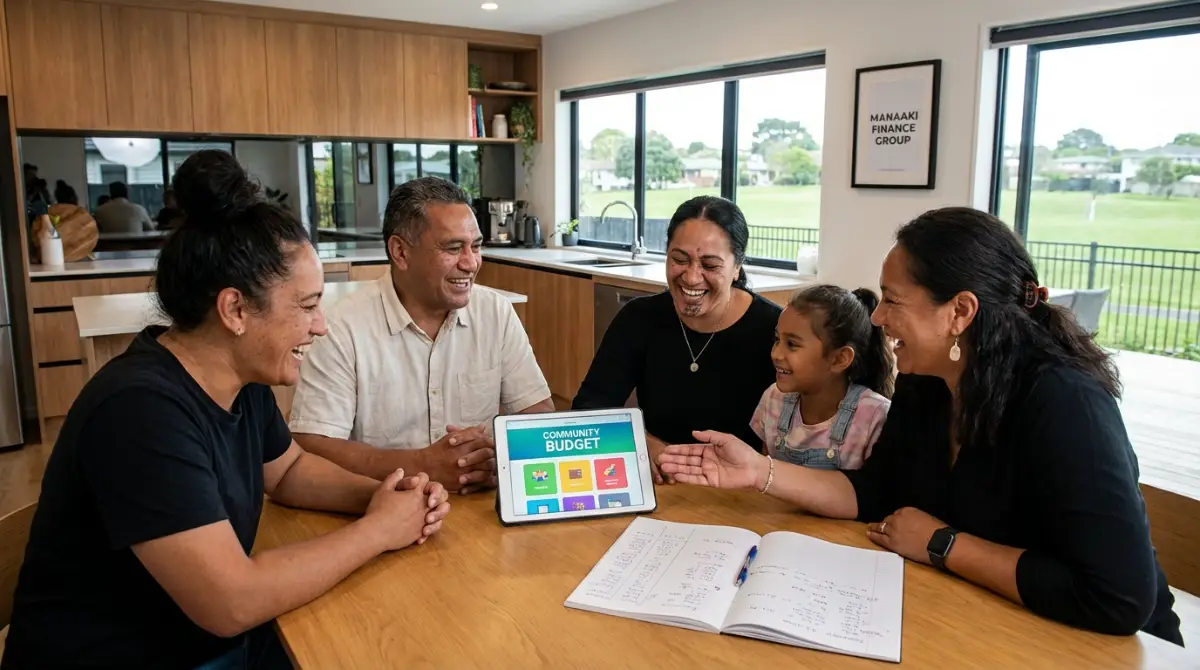
Hold a family meeting to discuss financial goals and present the budget. Children can learn valuable lessons about money management, and adults can share the burden and benefit of responsible spending. This collaborative approach makes the budget more likely to succeed.
“Financial literacy starts at home. Involving your whānau in budgeting discussions builds a stronger, more financially resilient family unit.” – Community Finance Advisor, South Auckland.
Tracking Expenses Effectively
Creating a budget is the first step; tracking is how you ensure you stick to it. Consistency is key here.
1. Choose Your Tracking Method
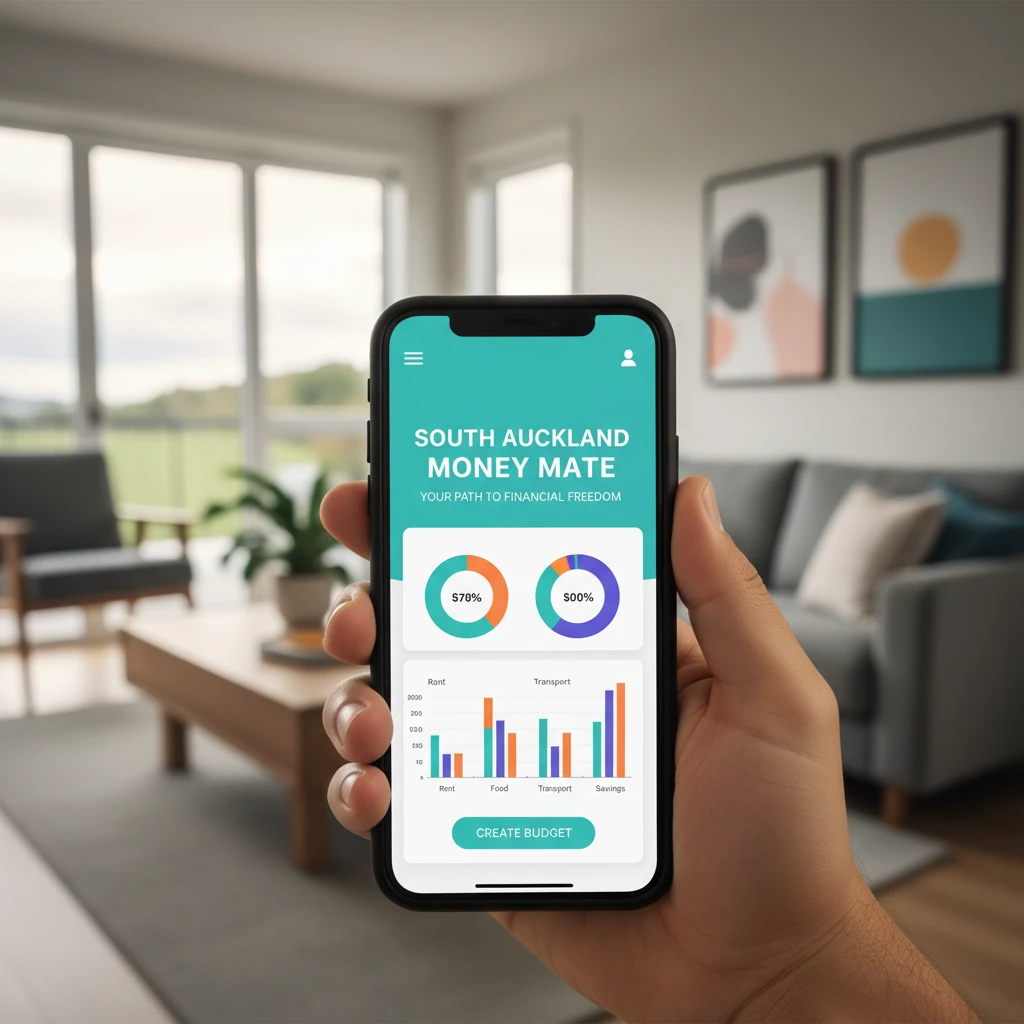
There are many budgeting tools South Auckland residents can utilise:
- Budgeting Apps: Apps like PocketSmith, Mint, or even specific New Zealand banking apps can link to your accounts and automatically categorise spending.
- Spreadsheets: Google Sheets or Excel offer customisable templates for detailed tracking.
- Notebook and Pen: Simple, effective, and requires no technology. Keep all receipts and manually log them.
2. Log Every Transaction
Whether it’s a coffee or a utility bill, record it. This might feel tedious at first, but it quickly becomes a habit and provides invaluable insight into where your money truly goes.
3. Review Regularly
Set aside time each week or fortnight to review your spending against your budget. Adjust categories as needed. This proactive approach helps catch overspending early and keeps your budget flexible and realistic.
Setting Realistic Financial Goals
Budgeting becomes far more motivating when you have clear goals. What do you want your money to do for you?
1. Define Your SMART Goals
Ensure your financial goals are:
- Specific: What exactly do you want to achieve? (e.g., Save $5,000 for a house deposit).
- Measurable: How will you know when you’ve reached it? (e.g., Track progress in your savings account).
- Achievable: Is it realistic given your income and expenses?
- Relevant: Does it align with your values and broader life plans?
- Time-bound: When do you want to achieve it by? (e.g., Within 18 months).
2. Distinguish Between Short-Term and Long-Term Goals
- Short-Term Goals (under 1 year): Emergency fund, new appliance, holiday.
- Long-Term Goals (1 year+): House deposit, retirement savings, child’s education.
Did you know? A recent study indicated that New Zealanders who actively set and track financial goals are significantly more likely to achieve them, reducing financial stress by up to 40%. For South Auckland families, setting clear goals can pave the way for intergenerational wealth and stability.
3. Review and Adjust Your Goals
Life changes, and so should your financial goals. Revisit them quarterly or annually. Celebrate your successes and adjust your strategy if circumstances shift.

Your Budgeting Journey: An Action Checklist
Ready to take charge of your finances? Use this checklist to guide your budgeting efforts:
- ✓ Understand your current income and expenses.
- ✓ Choose a budgeting method that suits your lifestyle (50/30/20, Zero-Based, Envelope System).
- ✓ Involve your family in financial discussions and goal setting.
- ✓ Select a tool for tracking expenses (app, spreadsheet, notebook).
- ✓ Consistently log all your transactions.
- ✓ Set clear, SMART financial goals (short-term and long-term).
- ✓ Schedule regular budget reviews to stay on track and make adjustments.
- ✓ Celebrate small wins to stay motivated!
Conclusion
Budgeting is a powerful habit that empowers individuals and families in South Auckland to achieve financial stability and growth. By understanding your money, utilising effective budgeting tools South Auckland offers, and consistently tracking your progress, you can build a robust financial future. Start today – even small steps can lead to significant changes.
Frequently Asked Questions (FAQ)
What are the best budgeting tools for South Auckland residents?
The “best” tool depends on your preference. Popular options include budgeting apps (like PocketSmith, Mint), spreadsheets (Google Sheets, Excel), or traditional pen-and-paper methods. Many New Zealand banks also offer budgeting features within their online banking platforms.
How often should I review my budget?
Ideally, you should review your budget weekly or bi-weekly to ensure you’re staying on track and to make minor adjustments. A more comprehensive review, where you re-evaluate goals and major categories, should be done monthly or quarterly.
What if I struggle to stick to my budget?
Don’t get discouraged! Budgeting is a learned skill. Try adjusting your budget to be more realistic, identify your spending triggers, or try a different budgeting method. Seek support from community financial advisors if needed – many offer free guidance in South Auckland.
Is it necessary to include my family in budgeting discussions?
While not strictly ‘necessary’ for individual budgeting, involving your family, especially partners and older children, fosters financial transparency, shared responsibility, and can significantly improve the success of a household budget. It’s an excellent way to teach financial literacy.
References & Sources
- Sorted.org.nz – New Zealand’s free personal finance website, a service of the Commission for Financial Capability.
- Ministry of Social Development (MSD) – Information on financial assistance and budgeting support in New Zealand.
- ANZ New Zealand – Financial wellbeing resources and tools.
- Westpac New Zealand – Budgeting guides and financial advice.
- Te Whānau o Waipareira Trust – Community support services including financial literacy programs in West Auckland (similar services often available in South Auckland).