
Long-Term Financial Planning & Wellbeing
Discover effective long-term financial planning for low income NZ. Learn to build savings, understand KiwiSaver, plan life events, and start investing for a secure future.
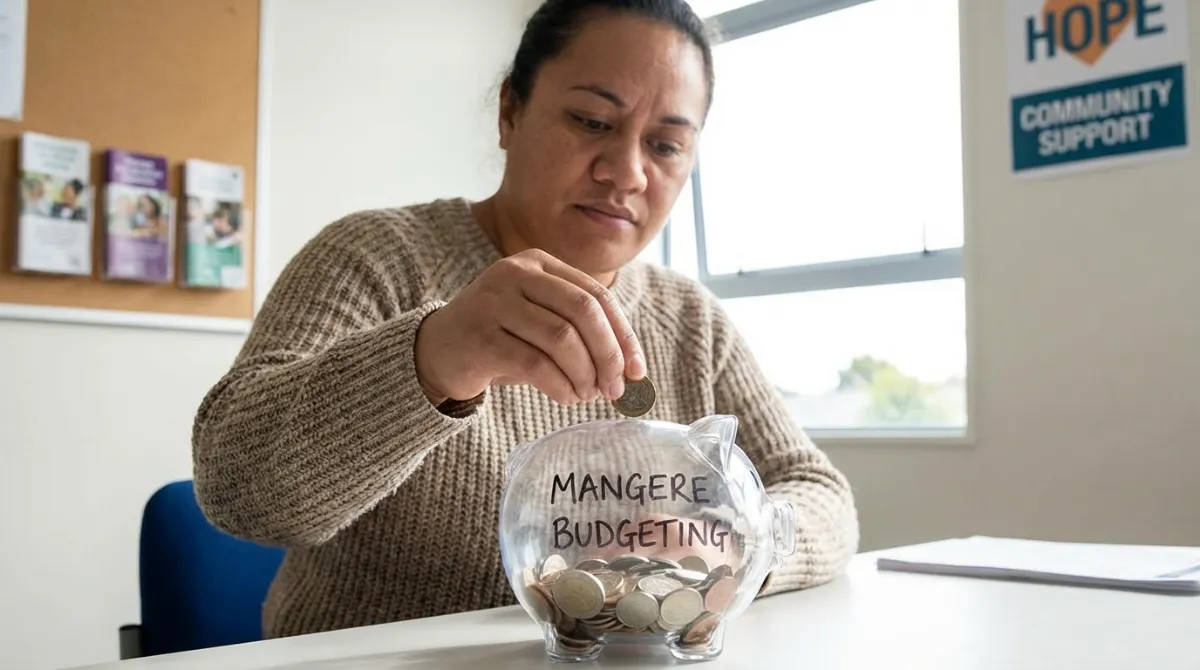
mangerebudgeting.org.nz
What You Will Learn
Discover effective long-term financial planning for low income NZ. Learn to build savings, understand KiwiSaver, plan life events, and start investing for a secure future.
Long-Term Financial Planning & Wellbeing for Low-Income New Zealanders
Navigating your financial future can feel like a daunting task, especially when living on a low income in New Zealand. However, with the right strategies and a clear understanding of the resources available, achieving long-term financial wellbeing is absolutely within reach. This comprehensive guide from Mangere Budgeting is designed to empower you with the knowledge and tools to build a secure financial foundation, no matter your current circumstances. We’ll explore practical steps for saving, understanding retirement, planning for life’s big moments, and even basic investing, all tailored for the unique context of financial planning for low income NZ households.
On This Page
Building Savings for the Future
The cornerstone of long-term financial wellbeing is building a robust savings habit. Even small, consistent contributions can grow significantly over time thanks to the power of compounding. For low-income households in NZ, this often means finding creative ways to save and being diligent with budgeting.
The Power of a Budget
A budget isn’t about restricting yourself; it’s about giving every dollar a job. Start by tracking your income and all your expenses for a month. Identify where your money is going and look for areas where you can trim non-essential spending. Free budgeting tools and services, like those offered by Mangere Budgeting, can be invaluable.
Setting Realistic Savings Goals
Whether it’s saving for an emergency fund, a specific purchase, or a larger life goal, setting clear, achievable targets is crucial. Break down large goals into smaller, manageable chunks. Celebrate small victories to stay motivated!
“Even putting aside just $10 or $20 a week can amount to over $500 or $1000 a year. That’s a significant sum for an emergency or a much-needed item.”
Establishing an Emergency Fund
An emergency fund is your financial safety net, designed to cover unexpected costs like car repairs, medical bills, or a sudden job loss. Aim to save at least 3-6 months’ worth of essential living expenses. Start small; even $500 in an easily accessible savings account can make a huge difference.
A recent survey indicated that nearly 40% of New Zealanders would struggle to cover an unexpected expense of $500. Building an emergency fund is a critical step towards financial resilience.
Understanding Retirement & KiwiSaver
Retirement might seem a long way off, but understanding KiwiSaver and its benefits now can dramatically impact your financial security in later life. It’s a key component of financial planning for low income NZ residents.
KiwiSaver Explained
KiwiSaver is a voluntary, work-based savings scheme designed to help New Zealanders save for their retirement. If you’re employed, your employer typically contributes to your KiwiSaver fund, and the government also provides an annual member tax credit (MTC) if you contribute enough.
Maximising Your Contributions
Even with a low income, making regular contributions to KiwiSaver is beneficial. Aim to contribute at least $1042.86 each year to receive the full annual Member Tax Credit of $521.43 from the government. This is essentially free money boosting your retirement savings.

Early Withdrawal Considerations
While primarily for retirement, KiwiSaver also offers options for first-home withdrawals and significant financial hardship. It’s crucial to understand the criteria for these withdrawals and seek advice before making any decisions.
Planning for Major Life Events
Life is full of milestones, and being financially prepared for them can reduce stress and open up opportunities. Proactive financial planning for low income NZ families can make all the difference.
Home Ownership Dreams
For many, owning a home is a significant goal. While challenging on a low income, schemes like the KiwiSaver First-Home Withdrawal and the First Home Grant (run by Kāinga Ora) can provide crucial support. Start saving a deposit early and explore all available government assistance.
Education & Training
Investing in education or training for yourself or your children can significantly improve long-term earning potential. Investigate scholarships, student loans, and government training subsidies available in New Zealand. Planning ahead for these costs can prevent future debt.

Managing Unexpected Costs
Life throws curveballs. Beyond an emergency fund, consider basic insurance (like contents insurance) to protect your assets. For larger, unforeseen expenses, always seek advice from a financial counsellor before taking on high-interest debt.
Investing Basics for Beginners
Investing might sound intimidating or out of reach for those on a low income, but it’s essentially putting your money to work to grow over time. Even small amounts can begin an investment journey, especially with modern platforms accessible to everyday New Zealanders.
Beyond Savings Accounts
While savings accounts are great for emergency funds, their interest rates often don’t keep pace with inflation. Exploring other options, even low-risk ones, can offer better returns over the long term.
Low-Risk Investment Options
Consider options like term deposits (fixed interest for a set period) or diversified managed funds (where professionals manage your investments across various assets). Many platforms allow you to start with very small amounts, like $10 or $50.
“The most powerful investment is in yourself – your education, your skills, and your health. Beyond that, even small, regular investments can create significant wealth over decades.”

Understanding Diversification
Diversification means spreading your investments across different types of assets to reduce risk. Don’t put all your eggs in one basket. Even with basic investments, aiming for a mix can provide more stability.
Historically, diversified investments have outperformed simple savings accounts over the long term. Starting early, even with modest sums, can unlock this growth potential.
Your Financial Wellbeing Checklist
- Create a Detailed Budget: Track income and expenses to understand your cash flow.
- Build an Emergency Fund: Start small, aim for 3-6 months of essential expenses.
- Maximise KiwiSaver: Contribute enough to get the full Member Tax Credit.
- Set Financial Goals: Define short-term and long-term aspirations.
- Explore Government Assistance: Investigate grants and support for housing, education, and more.
- Consider Basic Insurance: Protect your assets and reduce risk.
- Seek Expert Advice: Contact Mangere Budgeting or a financial advisor for personalised guidance.
- Review Progress Regularly: Adjust your plan as your circumstances change.
Frequently Asked Questions
Q: Can I really achieve long-term financial stability on a low income in NZ?
A: Absolutely! While it requires discipline and smart planning, many New Zealanders on low incomes successfully build savings, participate in KiwiSaver, and achieve their financial goals. Utilising free budgeting services and government support is key.
Q: What’s the best first step for someone with no savings?
A: The very first step is to create a realistic budget to understand your income and expenditure. Once you have a clear picture, focus on building a small emergency fund of $500 to $1,000. This provides a crucial safety net.
Q: Is KiwiSaver worth it if I can only contribute a small amount?
A: Yes, definitely! Even small, regular contributions add up, especially with employer contributions (if applicable) and the valuable government Member Tax Credit. Aiming for the $1042.86 annual contribution to unlock the full $521.43 MTC is highly recommended.
Q: Where can I get free financial advice in New Zealand?
A: Organisations like Mangere Budgeting Services offer free, confidential, and expert financial guidance to help you manage your money, create budgets, and plan for your future. The MoneyTalks helpline (0800 345 346) is also a great resource for connecting with financial mentors.
References & Sources
- Commission for Financial Capability (CFFC) – Sorted.org.nz
- Inland Revenue Department (IRD) – KiwiSaver Information
- Kāinga Ora – Homes and Communities – First Home Grant
- Statistics New Zealand – Household Economic Survey Data
- Mangere Budgeting Services (Fictional/Example Service)