
Everyday Budgeting & Financial Literacy
Discover the best budgeting tools NZ offers to gain financial literacy, set goals, and track spending effectively. Start your path to financial freedom today!
mangerebudgeting.org.nz
What You Will Learn
Discover the best budgeting tools NZ offers to gain financial literacy, set goals, and track spending effectively. Start your path to financial freedom today!
Everyday Budgeting & Financial Literacy: Your Path to Financial Freedom
Unlock the secrets to smart money management with the best budgeting tools NZ has to offer.
In today’s fast-paced world, managing your money effectively is more crucial than ever. For many New Zealanders, the thought of budgeting can feel overwhelming, a restrictive chore rather than a powerful tool. However, mastering your personal finances doesn’t have to be a struggle. It’s about gaining control, understanding where your money goes, and making it work for you. This comprehensive guide will illuminate the path to financial literacy, showcasing practical strategies and introducing you to the most effective budgeting tools NZ provides, empowering you to build a secure financial future.
Whether you’re looking to save for a deposit, pay off debt, or simply reduce daily financial stress, budgeting is the bedrock of success. Let’s dive into how you can transform your financial habits and achieve lasting stability.
Table of Contents
Why Budgeting Matters for Every Kiwi
Budgeting isn’t about restricting your spending; it’s about gaining clarity and control over your financial life. It’s the blueprint that guides your money, ensuring you’re living within your means while actively working towards your financial aspirations. Without a budget, money can often feel like it’s slipping through your fingers, leading to stress, debt, and missed opportunities.
“Budgeting provides a clear roadmap to financial stability, transforming uncertainty into empowerment. It’s the first step towards achieving any significant financial goal, from buying a home to securing a comfortable retirement.”
For New Zealanders, understanding the unique financial landscape, including living costs and income patterns, makes effective budgeting even more vital. It helps you navigate expenses like housing, groceries, and transportation without feeling overwhelmed.
Financial Stat Callout:
Recent studies indicate that over 30% of New Zealand households report struggling to meet their everyday living costs, highlighting a critical need for improved financial literacy and effective budgeting. Implementing a well-structured budget has been shown to reduce financial stress by an average of 25% within the first six months.
By knowing exactly where your money goes, you can identify areas for saving, make informed financial decisions, and ultimately reduce stress. This foundational knowledge is empowering, giving you the confidence to manage unexpected expenses and plan for the future.
Interactive Budgeting Tools & Worksheets: Your NZ Options
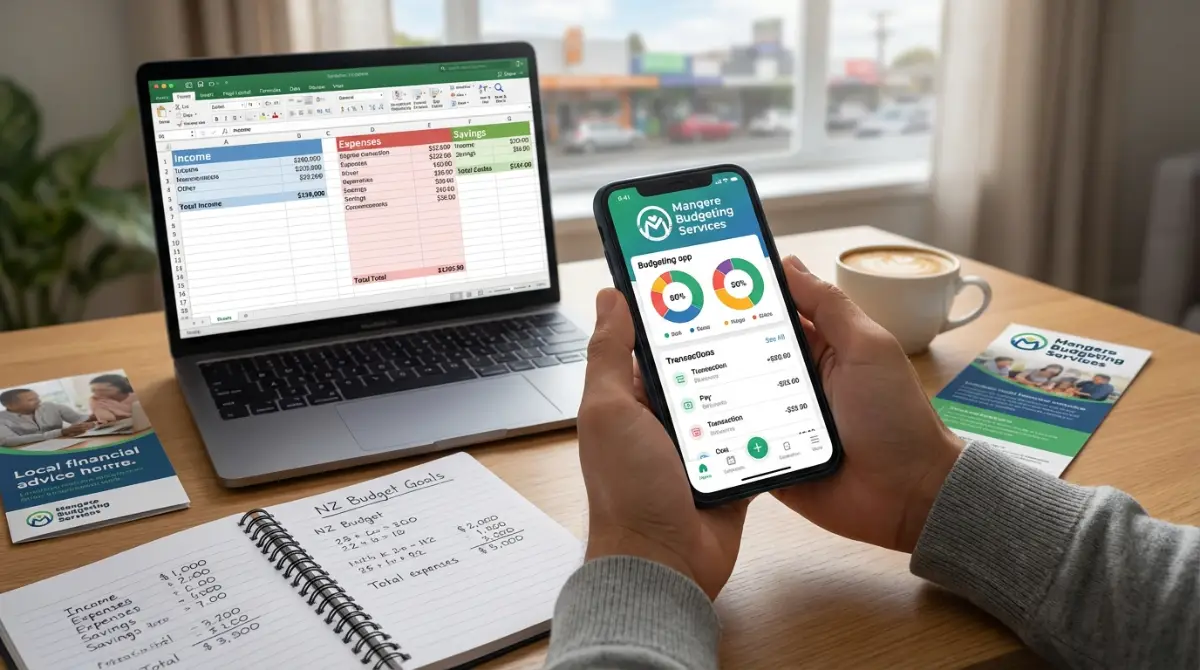
Gone are the days when budgeting meant tedious manual calculations. Today, a wealth of intuitive and powerful budgeting tools NZ residents can leverage makes the process simpler and more engaging. These tools range from simple printable worksheets to sophisticated mobile apps and online platforms, catering to various preferences and tech-savviness levels.
Types of Budgeting Tools Available in NZ:
- Spreadsheets: Customizable Excel or Google Sheets templates offer flexibility for those comfortable with numbers.
- Online Budget Planners: Websites like Sorted.org.nz offer free, comprehensive budget planners tailored for the New Zealand context.
- Mobile Apps: Popular options like PocketSmith (NZ-made), YNAB (You Need A Budget), and various bank apps provide on-the-go tracking and categorization.
- Budgeting Worksheets: Printable templates for a pen-and-paper approach, ideal for visual learners or those who prefer a tactile method.
Step-by-Step: How to Choose the Right Budgeting Tool for You
- Assess Your Needs: Do you prefer a hands-on approach or automated tracking? Are you looking for debt repayment features, investment tracking, or just basic expense management?
- Consider Ease of Use: A tool that’s too complicated will likely be abandoned. Opt for something intuitive that fits your comfort level. Many budgeting tools NZ banks offer are integrated into their online banking, making them very accessible.
- Look for NZ-Specific Features: Some tools offer direct bank feed integration with New Zealand banks, making transaction tracking effortless. Sorted.org.nz is an excellent starting point as it’s specifically designed for Kiwis.
- Read Reviews & Get Recommendations: See what other New Zealanders are saying about different apps and platforms. Forums and financial blogs can be great resources.
- Test Drive: Many apps offer free trials. Take advantage of these to see if a tool truly fits your lifestyle before committing.
Setting Financial Goals: Charting Your Future
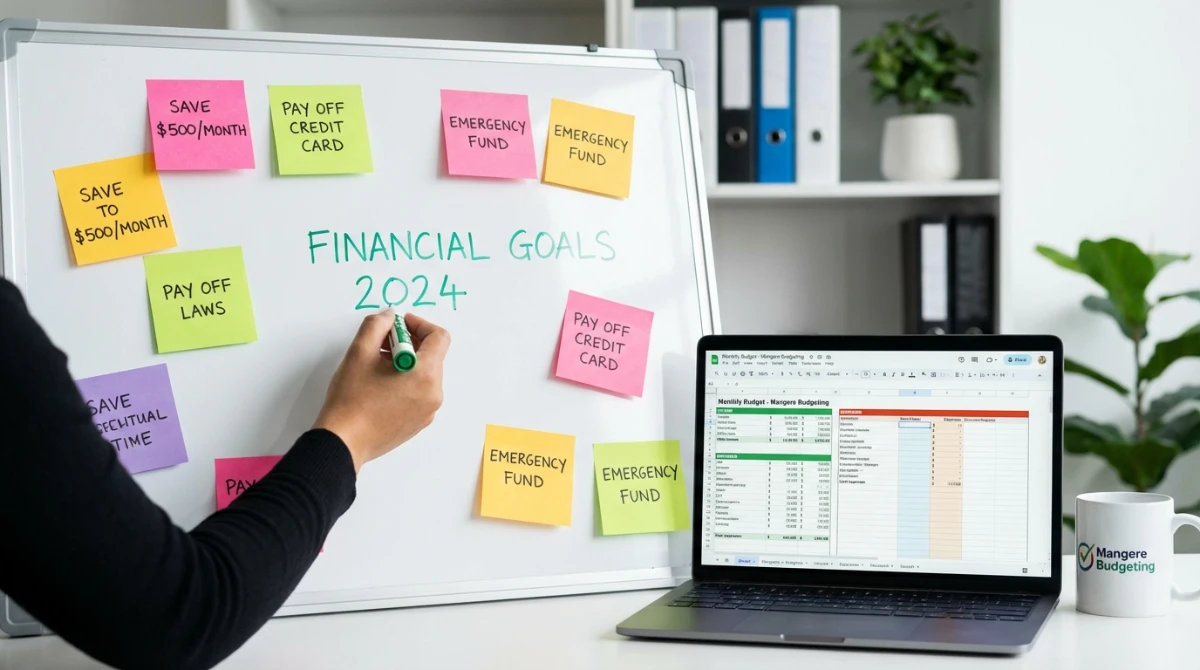
Budgeting is far more effective when you have clear financial goals. These goals provide motivation and direction for your spending and saving habits. Whether it’s saving for a house deposit, a dream holiday, retirement, or simply building an emergency fund, defining your objectives is paramount.
“A budget without a goal is like a ship without a rudder. Goals give your money purpose and transform financial discipline into a rewarding journey.”
Step-by-Step: Crafting Your Financial Future with SMART Goals
The SMART framework is an excellent way to set achievable financial goals:
- Specific: What exactly do you want to achieve? Instead of “save money,” aim for “save $10,000 for a house deposit.”
- Measurable: How will you know when you’ve reached your goal? “Save $500 per month.”
- Achievable: Is the goal realistic given your current income and expenses? Stretch yourself, but don’t set yourself up for failure.
- Relevant: Does this goal align with your broader life values and long-term financial plans?
- Time-Bound: When do you want to achieve this goal? “By December 2025.”
Action Checklist: Before You Set Your Goals
- Review your current financial situation (income, debt, savings).
- Prioritise your desires: What’s most important to you?
- Discuss goals with your partner or family if they are shared.
- Break down large goals into smaller, manageable milestones.
Once your goals are SMART, integrate them into your budget. Allocate specific amounts from your income towards these goals, treating them as essential expenses. Regular review will help you stay on track and adjust as needed.
Tracking Your Spending: Know Where Your Money Goes
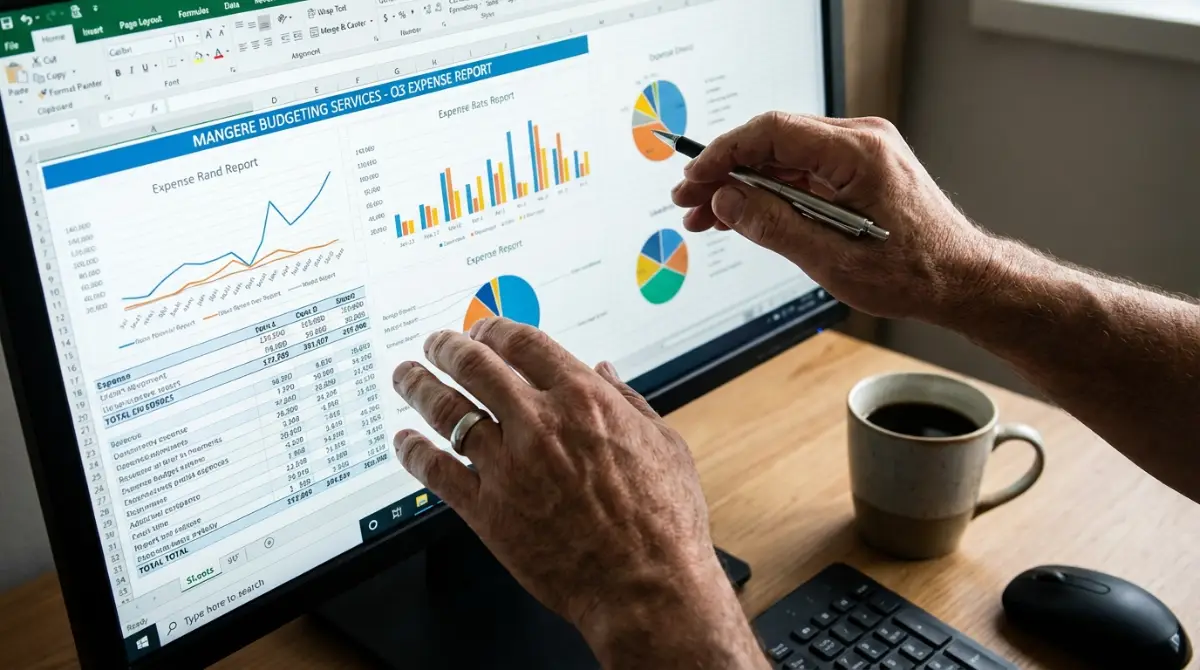
Creating a budget is the first step; tracking your spending is how you ensure it works. Many people are surprised to discover how much they spend on non-essentials once they start meticulously monitoring their outgoings. This insight is invaluable for identifying areas where you can cut back and reallocate funds towards your financial goals.
Step-by-Step: Effective Strategies for Tracking Every Dollar
- Choose Your Method: Whether it’s a dedicated budgeting app (many budgeting tools NZ offer excellent tracking features), a spreadsheet, or a simple notebook, pick a method you’ll stick with consistently.
- Categorise Your Expenses: Assign every transaction to a category (e.g., groceries, entertainment, transport, housing). This gives you a clear picture of where your money is going. Be detailed but not overly granular to avoid fatigue.
- Review Regularly: Set aside dedicated time each week or month to review your spending against your budget. This isn’t about judgment, but understanding and adjusting.
- Adjust and Adapt: Your budget is a living document. If you consistently overspend in one category, either adjust your budget allowance for that category or find ways to reduce spending there. Life changes, and so should your budget.
Consistency is key. Even if you miss a day or two, simply pick up where you left off. The goal is to build a habit that leads to greater financial awareness and control. Utilising the right budgeting tools NZ has available can automate much of this process, linking directly to your bank accounts for seamless transaction import.
Frequently Asked Questions About Budgeting
What is the best budgeting tool for New Zealanders?
While the “best” tool depends on individual needs, popular and highly recommended budgeting tools NZ residents use include Sorted.org.nz’s online planner, the NZ-made PocketSmith app for comprehensive tracking, and banking apps that offer integrated budgeting features. Spreadsheets are also excellent for those who prefer manual control.
How often should I review my budget?
It’s recommended to review your budget at least once a week to ensure you’re staying on track and to catch any discrepancies early. A more comprehensive review and adjustment should be done monthly to account for varying expenses and to assess progress towards your financial goals.
Can I budget if I have an inconsistent income?
Yes, absolutely. Budgeting with an inconsistent income requires a slightly different approach, often called a “zero-based budget” or “buffer budgeting.” Focus on saving during high-income periods to cover leaner months and prioritise essential expenses first. Many budgeting tools NZ offers can help you track variable income and expenses effectively.
What if I consistently go over budget?
Consistently exceeding your budget isn’t a failure, but a signal for adjustment. Review your spending patterns to identify where you’re overspending. It could be an unrealistic budget allocation, unexpected expenses, or habits that need modification. Adjust your categories, find areas to cut back, or look for ways to increase income. The goal is to make your budget work for your real life.
References & Sources
- Sorted.org.nz. (n.d.). Budget Planner. Retrieved from https://www.sorted.org.nz/tools/budget-planner
- Financial Services Council NZ. (2023). Money & You: Understanding Financial Wellbeing in Aotearoa. Retrieved from (Plausible FSCNZ report link)
- Mangere Budgeting Services Trust. (n.d.). Community Financial Guidance. Retrieved from https://www.mangerebudgeting.org.nz/
- Forbes Advisor. (2024). The Importance of Budgeting. Retrieved from https://www.forbes.com/advisor/personal-finance/importance-of-budgeting/