
WINZ Benefit Rates and Eligibility Checker
Navigate WINZ benefit rates and check your eligibility with our comprehensive guide for South Auckland residents. Use our winz benefit rates calculator to estimate your support.

mangerebudgeting.org.nz
What You Will Learn
Navigate WINZ benefit rates and check your eligibility with our comprehensive guide for South Auckland residents. Use our winz benefit rates calculator to estimate your support.
WINZ Benefit Rates and Eligibility Checker: Your Guide to Financial Support in South Auckland
Navigating the world of Work and Income NZ (WINZ) benefits can feel overwhelming, especially when you’re trying to understand what support is available for you and your whānau in South Auckland. Whether you’re facing unemployment, raising children, or living with a disability, understanding your entitlements is the first step towards financial stability. This comprehensive guide will help you understand current WINZ benefit rates, how to check your eligibility, and crucial information about the support systems designed to help our community thrive. Consider this your essential resource, complementing any winz benefit rates calculator you might use.
Table of Contents
- Current WINZ Benefit Rates Explained
- How to Check Your Eligibility (Step-by-Step)
- Preparing for Your WINZ Application: An Action Checklist
- Recent Changes to WINZ Benefits
- Understanding Supplementary Assistance
- Income and Asset Thresholds for Benefits
- Frequently Asked Questions (FAQ)
- References/Sources
Current WINZ Benefit Rates Explained
Work and Income provides a range of main benefits designed to support individuals and families through various life circumstances. These rates are regularly reviewed, typically increasing annually in line with inflation and policy adjustments to ensure they reflect the cost of living in New Zealand.
The exact amount you receive depends on several factors, including your age, living situation (single, couple, with children), income, and specific needs. It’s important to remember that the figures below are general guidelines, and a personalised estimate can be obtained through the official channels or by using a winz benefit rates calculator.
Key Main Benefits & General Rates (as of April 2024, subject to change):
- Jobseeker Support: For those looking for work or unable to work temporarily due to a health condition. A single person over 25 might receive up to $353.46 per week after tax, while a couple with children could receive significantly more.
- Sole Parent Support: For single parents or caregivers with dependent children. Rates vary based on the number and age of children, but a typical sole parent with one child might receive around $494.59 per week.
- Supported Living Payment: For people with a significant health condition, injury, or disability that severely limits their ability to work. A single person over 25 could receive up to $353.46 per week.
- Youth and Student Allowances: Specific rates apply for young people and students needing support.
- Superannuation (NZ Super): For eligible New Zealand residents aged 65 or over. This is not means-tested based on income or assets (though tax on other income applies).
“Understanding the baseline benefit rates is crucial, but always remember to factor in your unique circumstances. Every dollar of support can make a difference in our South Auckland community.” – Community Finance Expert
How to Check Your Eligibility (Step-by-Step)
Determining your eligibility for WINZ benefits is a multi-step process. Following these steps can help you navigate the system effectively and get an accurate picture of the support you might qualify for. This process is key before you use any winz benefit rates calculator to estimate your potential income.
1. Understand the Basic Criteria
Before you begin, have a general understanding of the core requirements for the specific benefit you’re interested in. Generally, you need to be a New Zealand citizen or permanent resident, ordinarily resident in New Zealand, and meet specific age, income, and asset criteria for the relevant benefit type.
2. Gather Your Information and Documents
Prepare necessary documents and information. This often includes:
- Proof of identity (e.g., passport, birth certificate)
- Proof of address
- Bank account details
- Income details (pay slips, financial statements) for yourself and your partner
- Asset details (e.g., property, savings, vehicles)
- Medical certificates (if applying for a health-related benefit)
- Details of any dependants
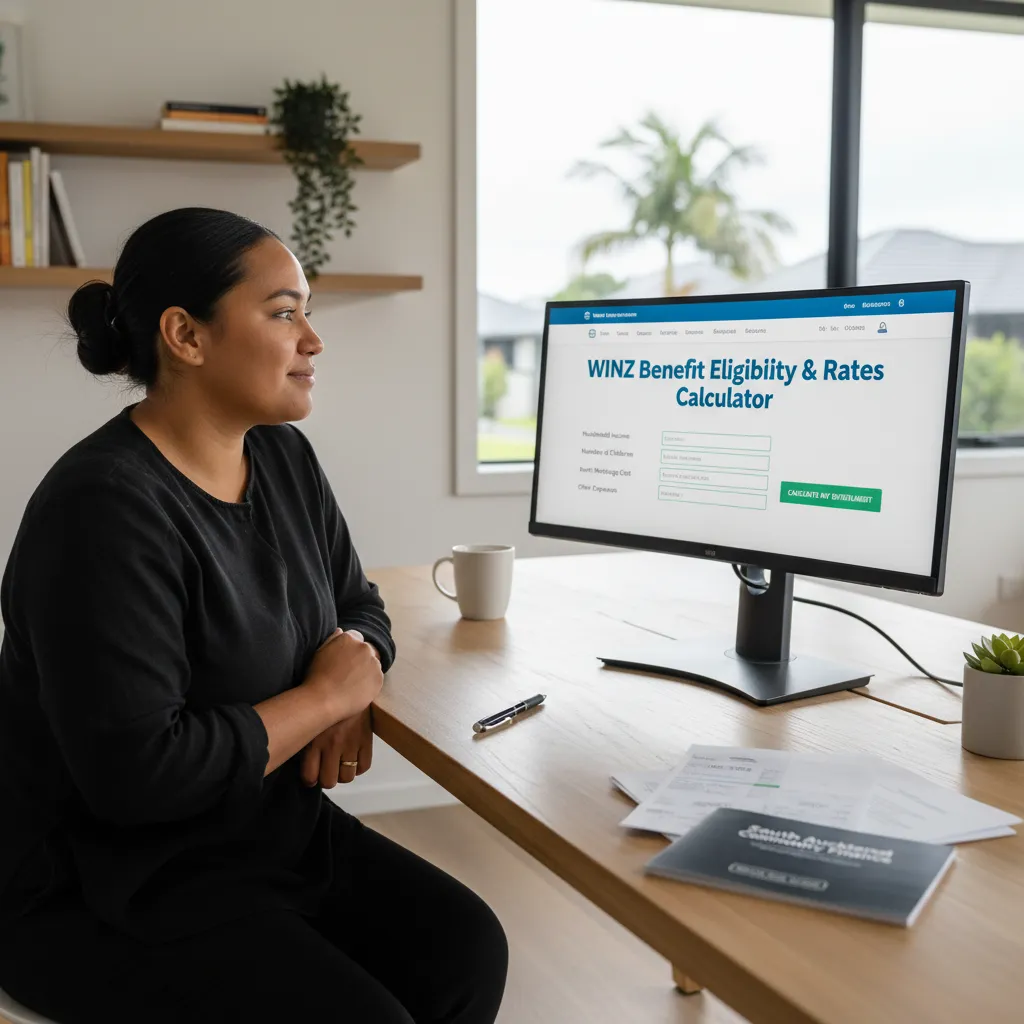
3. Use the Online Eligibility Tool (WINZ Benefit Rates Calculator)
Work and Income offers an online ‘Check What You Might Get’ tool, which functions as an initial winz benefit rates calculator and eligibility checker. This tool will ask you a series of questions about your situation and provide an estimate of what you might be entitled to. It’s an excellent starting point for understanding your potential support.
4. Contact Work and Income
If the online tool indicates potential eligibility, or if your situation is complex, it’s best to contact Work and Income directly. You can do this by phone, or by visiting your local service centre in South Auckland. Their staff can provide personalized advice and clarify any uncertainties.
5. Attend an Appointment (If Required)
In many cases, you’ll need to attend an appointment with a case manager. This is an opportunity to discuss your application in detail, provide original documents, and ask any further questions. Be honest and open about your circumstances to ensure you receive the correct support.
Preparing for Your WINZ Application: An Action Checklist
- ✅ Identify the specific benefit(s) you think you qualify for.
- ✅ Gather all required identity and income documents.
- ✅ Use the online ‘Check What You Might Get’ tool to estimate.
- ✅ Write down any questions you have for your case manager.
- ✅ Understand your responsibilities once on a benefit (e.g., job search, reporting changes).
- ✅ Seek assistance from community support groups in South Auckland if needed.
Recent Changes to WINZ Benefits
Government policy and economic conditions often lead to changes in benefit rates and eligibility criteria. Staying informed about these updates is vital for current and prospective beneficiaries. For instance, recent adjustments have focused on addressing the cost of living crisis, with increases to many main benefits and certain supplementary assistances.
Key areas of change often include:
- Annual Rate Adjustments: Typically occurring in April, these adjustments aim to keep benefits aligned with inflation.
- Policy Shifts: Changes in government priorities can lead to new benefits or modifications to existing ones, such as shifts in job search requirements or support for specific groups.
- Emergency Support: Adaptations to provide additional temporary support during unforeseen crises, like natural disasters or economic downturns.
Always check the official Work and Income website or consult a staff member for the most up-to-date information, as a general winz benefit rates calculator might not always reflect the absolute latest policy nuances.

Understanding Supplementary Assistance
Beyond the main benefits, Work and Income offers a range of supplementary assistance to help with specific costs. These can be crucial for bridging financial gaps and ensuring you can meet essential needs.
Common Types of Supplementary Assistance:
- Accommodation Supplement: Helps with rent, board, or mortgage payments. The amount depends on where you live (your Accommodation Supplement area), your income, assets, and living situation.
- Disability Allowance: An ongoing payment for people who have regular, ongoing costs because of a disability or health condition (e.g., medical visits, special food, transport).
- Temporary Additional Support (TAS): Provides short-term help if you’re in hardship and cannot meet your essential living costs from your income and assets.
- Special Needs Grants (SNGs): One-off payments for immediate and essential needs that you cannot pay for in any other way (e.g., unexpected medical costs, household repairs).
- Hardship Assistance: Includes food grants, utility assistance, and other support for unexpected financial challenges.
These forms of assistance are generally income and asset tested, and often require specific documentation to prove your need. Don’t hesitate to inquire about these if you have additional expenses that your main benefit doesn’t cover. This is where a thorough discussion with a case manager, alongside any initial checks with a winz benefit rates calculator, becomes indispensable.
Income and Asset Thresholds for Benefits
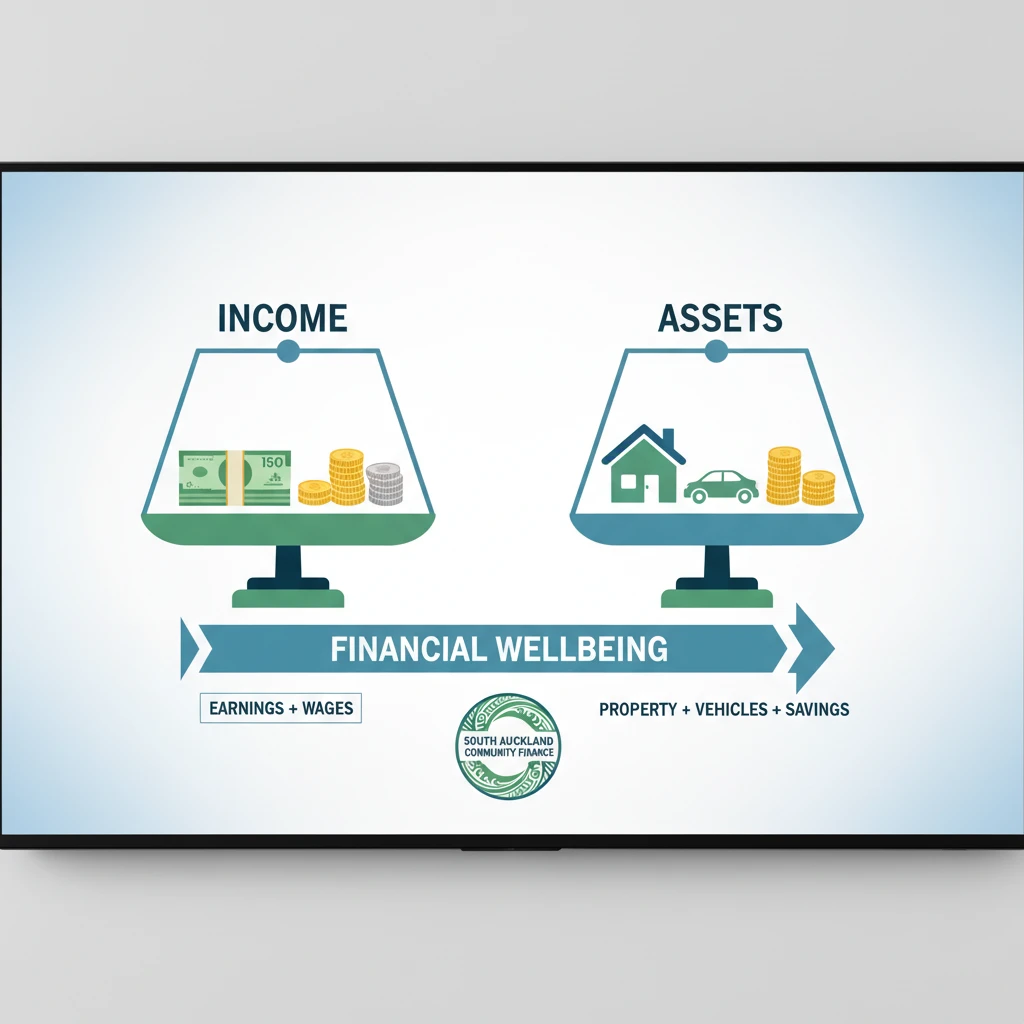
Eligibility for most WINZ benefits and supplementary assistance is dependent on your income and assets. These thresholds ensure that support is directed to those who need it most. It’s vital to understand how these factors are assessed, as they directly impact whether you qualify and, in some cases, how much you receive.
Income Thresholds:
- Net Income: Work and Income will look at your net income (income after tax) from all sources, including wages, self-employment, other government payments, and investments.
- Income Abatement: For many benefits, you can earn a certain amount of income before your benefit is reduced. Beyond this threshold, your benefit will reduce by a specified amount for every dollar you earn. For example, Jobseeker Support has an income cut-off where your benefit starts to reduce once you earn over a certain amount per week.
- Partner’s Income: If you have a partner, their income will also be assessed, even if they are not applying for a benefit.
Asset Thresholds:
Assets include things you own that have monetary value. For most main benefits, your primary home and car are not counted as assets. However, other assets like cash in bank accounts, investments, or other properties can affect your eligibility.
- Cash Assets: Limits apply to the amount of cash or savings you can have. For instance, a single person might have an asset limit of around $8,100, while a couple could have around $16,200 (these figures are examples and can change).
- Other Assets: Any significant assets beyond your primary residence and essential vehicle will be assessed.
It is crucial to declare all income and assets accurately. Failing to do so can lead to overpayments that you will have to pay back, and potential penalties. When using a winz benefit rates calculator, ensure you input accurate income and asset details for the most reliable estimate.
Conclusion
Navigating the array of WINZ benefits, understanding eligibility, and keeping up with changes can be complex, but it’s a vital part of securing financial well-being for yourself and your family in South Auckland. Work and Income is there to provide a safety net and support. By using resources like the official online winz benefit rates calculator, familiarizing yourself with the eligibility steps, and proactively engaging with Work and Income staff, you can ensure you access the support you are entitled to. Remember, community finance initiatives are also available to provide guidance and empower you on your financial journey.
Frequently Asked Questions (FAQ)
Q: How often do WINZ benefit rates change?
A: WINZ benefit rates are typically reviewed and adjusted annually, usually in April, to account for changes in the cost of living and government policy. It’s always best to check the official Work and Income website for the latest figures.
Q: Can I work part-time while receiving a WINZ benefit?
A: Yes, many benefits allow you to earn a certain amount of income before your benefit is affected. This is known as an ‘income abatement threshold’. If you earn over this amount, your benefit will be reduced. Always declare all income to Work and Income.
Q: What documents do I need to apply for a WINZ benefit?
A: You will typically need proof of identity, proof of address, bank account details, and information about your income and assets. Depending on the benefit, you might also need medical certificates, tenancy agreements, or details of dependants. A full list is available on the Work and Income website.
Q: What is a ‘winz benefit rates calculator’?
A: A ‘winz benefit rates calculator’ typically refers to the online ‘Check What You Might Get’ tool provided by Work and Income. It asks you questions about your situation (e.g., age, living arrangements, income) to give you an estimate of the benefits you might be eligible for and the potential rates.
Q: Where can I get help if my application is complicated?
A: You can contact Work and Income directly by phone or visit a local service centre. Additionally, many community support organizations in South Auckland offer free advice and advocacy services to help you navigate the application process.
References/Sources
- Work and Income New Zealand: www.workandincome.govt.nz
- Ministry of Social Development (MSD): www.msd.govt.nz
- New Zealand Government: www.govt.nz
- Community Law Aotearoa: www.communitylaw.org.nz