
Community-Led Financial Support Networks
Discover how community finance support in Mangere empowers South Auckland residents with budgeting, ethical loans, and peer mentoring. Find local resources today!

mangerebudgeting.org.nz
What You Will Learn
Discover how community finance support in Mangere empowers South Auckland residents with budgeting, ethical loans, and peer mentoring. Find local resources today!
Community-Led Financial Support Networks: Empowering South Auckland
In the vibrant heart of South Auckland, strong communities are built on shared values and mutual support. For many, navigating personal finance can feel like a daunting journey, especially when facing economic pressures. But what if you weren’t alone? What if there were local, community-led networks designed to provide the very community finance support Mangere and its surrounding areas need? This article delves into how these invaluable networks are empowering residents, fostering financial literacy, and building resilience right where it matters most.
Discover how joining forces with your neighbours can transform your financial outlook, from direct support groups to ethical lending and beyond. It’s about more than just money; it’s about collective strength and a brighter, more secure future for everyone in our community.
Table of Contents
1. Connecting with Local Financial Support Groups
One of the most immediate and impactful ways to gain financial footing is by connecting with established local support groups. These organisations are often deeply embedded in the community, understanding its unique challenges and providing tailored advice and resources. For residents seeking community finance support Mangere offers several key points of contact.
These groups typically provide a range of services, from one-on-one budgeting advice to workshops on debt management, savings strategies, and navigating government benefits. They act as a safe, confidential space where individuals and families can openly discuss their financial concerns without judgment.
“Financial well-being is not just an individual pursuit; it’s a community endeavor. When neighbours support neighbours, everyone benefits.” – Community Finance Advocate, South Auckland.
Where to Find Support:
- Community Hubs: Local community centres often host financial clinics or can direct you to relevant services.
- Citizens Advice Bureau (CAB): A national service with local branches offering free, independent advice.
- Budgeting Services: Organisations like Family Budgeting Services provide expert guidance tailored to your situation.
- Local Churches & Marae: Many offer informal support networks and may have partnerships with financial advisors.
2. Peer-to-Peer Financial Mentoring: Learning Together
Beyond formal institutions, the power of peer-to-peer mentoring is a cornerstone of effective community finance support Mangere. This approach connects individuals who have successfully managed similar financial challenges with those currently navigating them. It’s about shared experiences, practical tips, and a supportive environment.
Mentors often share personal stories, offer encouragement, and help mentees set achievable goals. This informal yet powerful form of education builds confidence and practical skills, often proving more relatable and effective than traditional methods.

Benefits of Peer Mentoring:
- Relatability: Advice comes from someone who understands local contexts and struggles.
- Practicality: Focus on real-world solutions and accessible strategies.
- Empowerment: Fosters a sense of control and capability over personal finances.
- Community Building: Strengthens bonds and creates a network of support.
3. Building Wealth with Community Savings Schemes
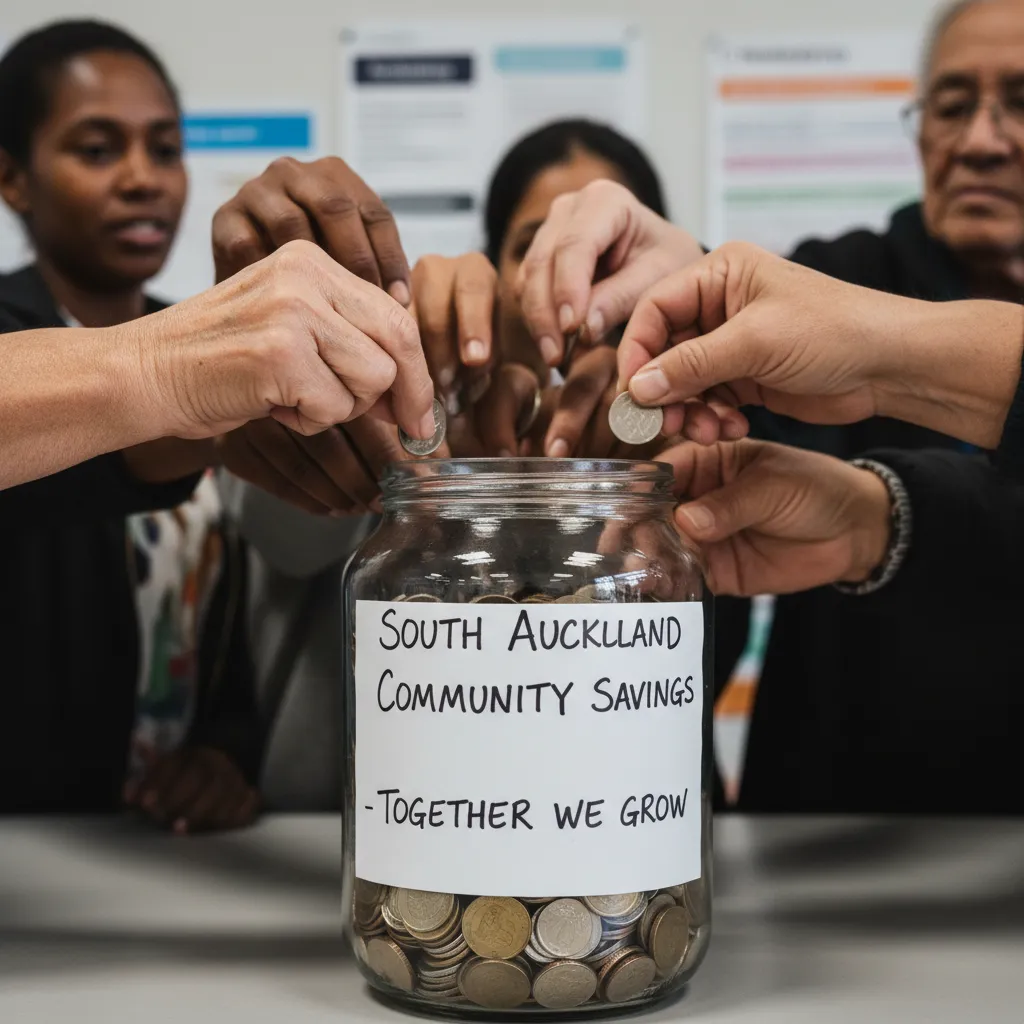
Community savings schemes offer an innovative way for people to pool resources, save collectively, and achieve financial goals that might be difficult individually. These schemes can range from informal ‘koha’ contributions within a whānau to more structured credit unions or savings circles.
Such schemes are particularly effective in South Auckland for cultivating a culture of saving and collective responsibility. They provide a safe alternative to traditional banking for those who may be unbanked or underbanked, and they foster discipline and mutual accountability among members.
“Together, our small contributions grow into significant opportunities. Community savings are the bedrock of local financial resilience.” – Local Credit Union Manager.
Action Checklist: Joining or Starting a Savings Scheme
- Research Local Options: Look for existing credit unions or informal savings groups in Mangere.
- Understand the Rules: Familiarize yourself with contribution amounts, withdrawal policies, and governance.
- Identify a Trusted Leader: For informal groups, a reliable coordinator is essential.
- Define Collective Goals: What are members saving for (e.g., emergencies, education, business)?
- Commit to Regular Contributions: Consistency is key to the scheme’s success.
4. Accessing Microfinance and Ethical Loans
For many in South Auckland, traditional banking loans may be out of reach due to credit history or lack of collateral. This is where microfinance and ethical lending institutions play a crucial role, providing accessible, fair alternatives to high-interest payday lenders.
These organisations focus on empowering individuals and small businesses with small loans, often accompanied by financial literacy training, to help them establish or grow ventures, purchase essential assets, or manage unexpected expenses responsibly. They are a vital component of sustainable community finance support Mangere needs.

Stat Callout:
According to Good Shepherd New Zealand, ethical loans have helped hundreds of families in New Zealand avoid predatory lenders, saving them significant interest and fees, and improving financial stability.
Key Features of Ethical Loans:
- Fair Interest Rates: Significantly lower than commercial payday lenders.
- No Hidden Fees: Transparency is a core principle.
- Financial Coaching: Often provided alongside the loan to ensure responsible management.
- Focus on Empowerment: Aim to improve long-term financial health, not just provide a quick fix.
5. Volunteer Opportunities in Financial Literacy
Giving back to the community is a powerful way to reinforce financial literacy and strengthen local networks. If you have financial knowledge or simply a passion for helping others, volunteering your time can make a tangible difference.
Many organisations offering community finance support Mangere rely on volunteers to deliver workshops, provide one-on-one mentoring, assist with administrative tasks, or help with outreach. It’s an opportunity to share skills, gain new experiences, and contribute directly to the financial well-being of your neighbours.
“The greatest wealth is the ability to share knowledge. Volunteering in financial literacy empowers not only the recipients but also strengthens the fabric of our community.” – Volunteer Coordinator, South Auckland.
How You Can Get Involved:
- Contact Local Support Groups: Inquire about their volunteer programs.
- Offer Your Skills: From budgeting to basic computer literacy for online banking, your expertise is valuable.
- Spread Awareness: Share information about available resources with friends and family.
- Organise Community Events: Help facilitate local workshops or information sessions.
Conclusion
The journey to financial well-being doesn’t have to be walked alone. In South Auckland, a robust and growing network of community-led initiatives provides essential community finance support Mangere residents can rely on. From the direct guidance of local groups and peer mentors to the collective strength of savings schemes and the ethical alternative of microfinance, these networks are fostering a resilient, financially literate community.
Take the first step today: reach out, learn, contribute, and become an active part of building a more secure financial future for yourself, your family, and all of South Auckland.
Frequently Asked Questions
Q: What kind of financial support is available in Mangere?
A: Mangere offers a range of financial support, including free budgeting advice from local community groups, peer-to-peer mentoring programs, community savings schemes, and access to ethical microfinance loans. These services aim to help residents with debt management, savings, and financial literacy.
Q: Are these community financial services free?
A: Many core services, such as budgeting advice and financial literacy workshops offered by community organisations, are free of charge. Ethical loans and microfinance typically involve repayment, but with significantly fairer terms and lower interest rates than commercial lenders.
Q: How do I find a peer financial mentor in South Auckland?
A: Peer financial mentoring programs are often facilitated by local community centres, budgeting services, or specific financial literacy charities in South Auckland. Inquire with these organisations about opportunities to connect with a mentor.
Q: What is the difference between microfinance and a regular bank loan?
A: Microfinance typically involves smaller loan amounts designed for individuals or small businesses who may not qualify for traditional bank loans due to credit history or income. They often come with lower interest rates, fewer fees, and integrated financial education, focusing on social impact and empowerment rather than just profit.
Q: Can I volunteer to help with financial literacy in my community?
A: Absolutely! Many community finance support groups in Mangere and broader South Auckland welcome volunteers. You can offer your skills in areas like budgeting, workshop facilitation, administration, or outreach. Contact local community centres or financial support services to explore opportunities.
References & Sources
- Citizens Advice Bureau New Zealand. (n.d.). Financial and debt problems. Retrieved from cab.org.nz
- Good Shepherd New Zealand. (n.d.). No-Interest Loans. Retrieved from goodshepherd.org.nz
- FinCap (National Building Financial Capability Charitable Trust). (n.d.). Find a service. Retrieved from fincap.org.nz
- Ministry of Social Development (MSD). (n.d.). Money and debt. Retrieved from msd.govt.nz