
Insurance & Risk Management
Discover key types of insurance in NZ: life, health, home, and more. Learn how to manage financial risks effectively with Mangere Budgeting Services.
mangerebudgeting.org.nz
What You Will Learn
Discover key types of insurance in NZ: life, health, home, and more. Learn how to manage financial risks effectively with Mangere Budgeting Services.
Insurance & Risk Management: Understanding Key Types of Insurance in NZ for Financial Resilience
Navigating the complexities of insurance can feel overwhelming, but understanding the types of insurance NZ offers is a crucial step towards building robust financial resilience. For individuals and families in South Auckland, unforeseen events can quickly derail careful budgeting and future plans. This comprehensive guide, brought to you by Mangere Budgeting Services, will demystify insurance, highlight its importance, and empower you with strategies for effective risk management.
Table of Contents
The Indispensable Role of Insurance for Financial Protection in NZ
In an unpredictable world, insurance acts as a crucial safety net, shielding individuals and families from the devastating financial impact of unforeseen events. For many in South Auckland, where budgets can be tight, a sudden illness, accident, or property damage can quickly lead to significant debt and long-term financial instability.
Consider the peace of mind that comes with knowing you’re protected. Insurance isn’t just an expense; it’s an investment in your future security, allowing you to recover from setbacks without facing insurmountable financial burdens. It empowers you to maintain stability, protect assets, and ensure your loved ones are cared for, no matter what life throws your way.
“Insurance is not a luxury; it’s a fundamental component of a resilient financial plan, especially when navigating the unique challenges faced by South Auckland communities.” – Mangere Budgeting Services
Stat Callout:
A recent survey indicated that over 40% of New Zealanders believe they are underinsured, highlighting a critical gap in financial planning across the nation. (Source: Financial Services Council NZ)
Navigating the Landscape: Understanding Key Types of Insurance in NZ
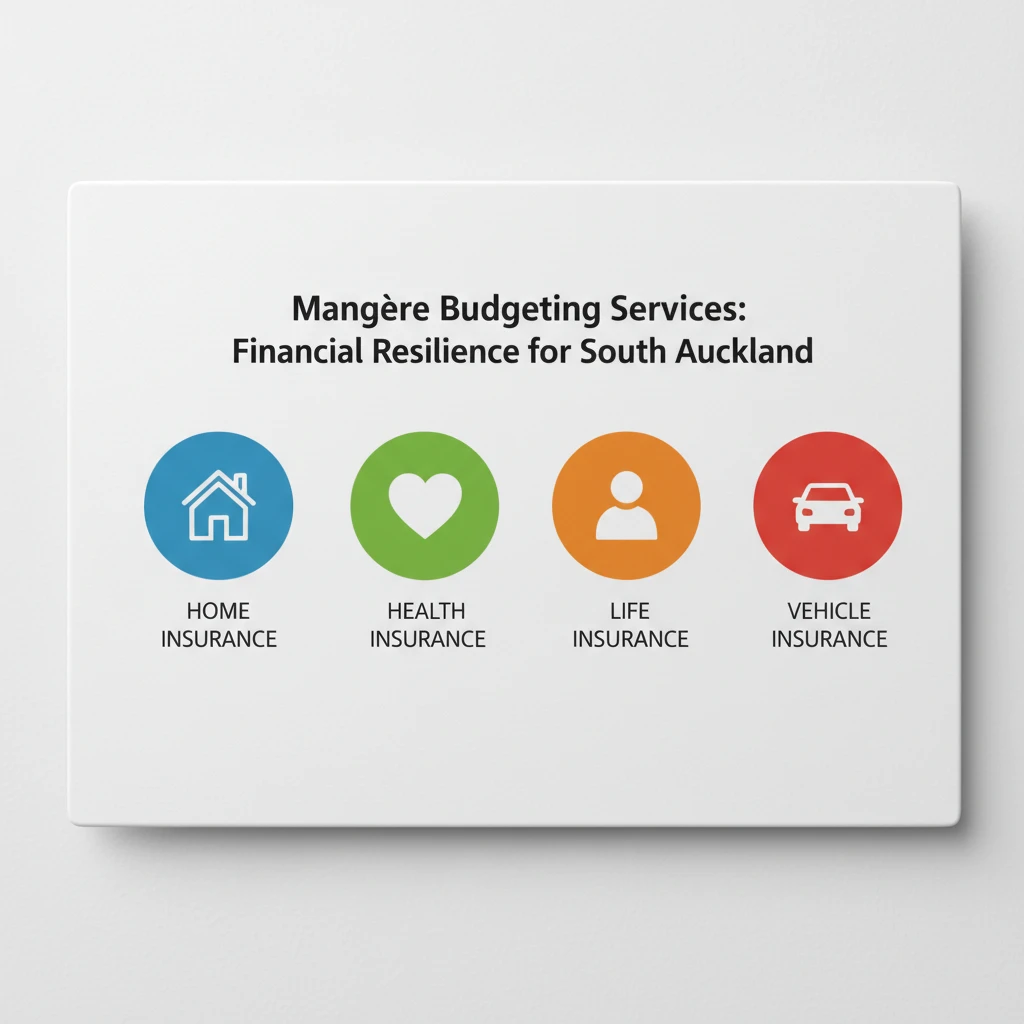
New Zealand offers a range of insurance products designed to protect various aspects of your life and assets. Understanding the main types of insurance NZ provides is the first step toward making informed decisions for your financial security.
Life Insurance: Protecting Your Legacy
Life insurance provides a lump sum payment to your beneficiaries upon your death. This financial support can cover outstanding debts, funeral costs, living expenses for dependents, and education costs, ensuring your family’s financial stability continues even if you are no longer there to provide for them. It’s particularly important for primary income earners or those with dependents.
Health Insurance: Ensuring Access to Care
While New Zealand has a public healthcare system, private health insurance can offer faster access to specialists, private hospital care, and a wider range of treatment options. It can significantly reduce waiting times for elective surgeries and provide cover for treatments not fully funded by the public system, giving you more control over your health journey and quicker recovery.
Home & Contents Insurance: Safeguarding Your Assets
For homeowners, home insurance protects the physical structure of your house against damage from events like fires, storms, floods, or earthquakes. Contents insurance, whether you own or rent, covers your personal belongings – from furniture and electronics to clothing – against theft, damage, or loss. Having both is essential to protect your most valuable assets and possessions.
Car Insurance: On the Road with Confidence
There are typically three main levels of car insurance in NZ:
- Third Party: Covers damage to other people’s vehicles or property if you’re at fault. It doesn’t cover damage to your own vehicle.
- Third Party Fire & Theft: Adds cover for fire damage or theft of your vehicle, in addition to third-party liability.
- Comprehensive: The highest level of cover, protecting your vehicle against damage, fire, and theft, as well as covering damage to other people’s property.
Income Protection & Critical Illness Insurance: Your Safety Net
These types of insurance provide financial support if you’re unable to work due to illness or injury. Income protection replaces a portion of your income, while critical illness insurance pays a lump sum if you’re diagnosed with a specified serious illness. Both are vital for maintaining your financial commitments and lifestyle during challenging health periods.
Stat Callout:
Around 1 in 4 New Zealanders will experience a significant illness or injury that prevents them from working for an extended period before age 65. (Source: Southern Cross Health Society, adapting wider health statistics)
Strategies for Robust Financial Risk Management
Beyond simply acquiring various types of insurance NZ offers, effective financial resilience requires proactive risk management. It’s about regularly assessing your situation and making informed decisions to minimise potential financial fallout.
Action Checklist: Steps to Smart Risk Management
- Assess Your Current Risks: Regularly evaluate your life circumstances, assets, and liabilities. Have you recently bought a home, started a family, or changed jobs? Each change might alter your insurance needs.
- Review Existing Policies Annually: Don’t just set and forget. Your insurance policies should evolve with your life. Check coverage amounts, beneficiaries, and ensure they still meet your requirements.
- Shop Around and Compare: Insurance providers offer varying rates and benefits. Get multiple quotes for the same level of cover to ensure you’re getting the best value. Websites like Policy Comparison NZ can be a starting point.
- Understand Policy Terms: Read the fine print. Know what’s covered, what’s excluded, and any waiting periods or excess payments. This prevents surprises when you need to make a claim.
- Build an Emergency Fund: While insurance covers major events, a cash emergency fund can handle smaller, immediate financial shocks without needing to claim or go into debt. Aim for 3-6 months of living expenses.
- Seek Professional Advice: If you’re unsure, consult a financial advisor or a service like Mangere Budgeting Services. They can help you understand complex policies and tailor solutions to your specific situation.
Stat Callout:
Households with a well-maintained emergency fund are significantly less likely to experience severe financial hardship after an unexpected event. (Source: Adapted from global financial literacy studies)

How Mangere Budgeting Services Can Help
At Mangere Budgeting Services, we understand that navigating the world of insurance and financial risk management can be daunting. Our experienced team is here to provide confidential, non-judgmental advice and support. We can help you:
- Assess your current financial situation and identify potential risks.
- Understand the different types of insurance NZ offers and which might be most relevant to your needs.
- Develop a budget that incorporates necessary insurance premiums without compromising other essential expenses.
- Connect you with resources and information to make informed decisions about your financial future.
Don’t wait for a crisis to take control of your financial security. Reach out to us today for a free and confidential consultation. Your resilience is our priority.
Frequently Asked Questions (FAQ)
Q: What are the most essential types of insurance NZ residents should consider?
A: While individual needs vary, generally, the most essential types of insurance include home & contents (if you own or rent), car insurance (especially third-party), and some form of life or income protection if you have dependents or significant financial commitments. Health insurance is also highly recommended for faster access to private care.
Q: How often should I review my insurance policies?
A: It’s highly recommended to review your insurance policies at least once a year, or whenever there’s a significant life event such as buying a house, getting married, having children, or changing jobs. This ensures your coverage remains adequate and relevant to your current circumstances.
Q: Can Mangere Budgeting Services help me choose an insurance provider?
A: While Mangere Budgeting Services doesn’t endorse specific insurance providers, our team can help you understand your insurance needs, compare different types of insurance NZ providers offer, and empower you to make an informed choice that best suits your budget and risk profile. We focus on financial literacy and empowerment.
Q: Is insurance expensive for families in South Auckland?
A: The cost of insurance can vary widely based on the type of cover, your personal circumstances, and the provider. While it’s an outgoing expense, the potential cost of not having insurance can be far greater. Mangere Budgeting Services can help you budget for insurance effectively and explore options that provide essential cover without overstretching your finances.
References/Sources
- Financial Services Council NZ. (Ongoing). Official Website. (General statistics on insurance uptake and sentiment).
- Southern Cross Health Society. (Ongoing). Official Website. (Health-related statistics and general information on NZ health insurance landscape).
- Sorted.org.nz. (Ongoing). Your independent money guide. (General financial literacy and insurance guidance for New Zealanders).
- Insurance Council of New Zealand. (Ongoing). Official Website. (Industry insights and consumer information).