
Winter Energy Payment Dates
Discover the crucial winter energy payment dates for 2024, eligibility, and how this vital support from Work and Income helps warm your home. Get expert financial advice from Mangere Budgeting Services.

mangerebudgeting.org.nz
What You Will Learn
Discover the crucial winter energy payment dates for 2024, eligibility, and how this vital support from Work and Income helps warm your home. Get expert financial advice from Mangere Budgeting Services.
As winter approaches, many households across South Auckland and New Zealand begin to feel the chill – and the associated pressure on their budgets. Heating our homes during the colder months is a necessity, not a luxury, but the costs can quickly add up. This is where the Winter Energy Payment becomes a crucial lifeline, designed to help eligible individuals and families manage their energy bills. Understanding the specific winter energy payment dates is key to planning your finances effectively and ensuring your home stays warm and healthy.
At Mangere Budgeting Services, we empower our community with financial knowledge and support. This comprehensive guide will break down everything you need to know about the Winter Energy Payment, focusing on when you can expect these vital funds, who is eligible, and how it can contribute to your financial resilience.
Table of Contents
- What is the Winter Energy Payment (WEP)?
- Who is Eligible for the Winter Energy Payment?
- How Much Can You Expect from the Winter Energy Payment?
- Key Benefits of the Winter Energy Payment
- Action Checklist: Ensuring You Receive Your Payment
- Understanding Your Payments and Getting Support
- Frequently Asked Questions (FAQ)
- References/Sources
What is the Winter Energy Payment (WEP)?
The Winter Energy Payment is a government initiative in New Zealand designed to help beneficiaries and superannuitants with the increased cost of heating their homes during the colder months. It’s an automatic payment, meaning if you’re eligible, you don’t need to apply for it – it will be added to your regular weekly benefit or Superannuation payments.
This payment aims to ease the financial burden that comes with higher electricity, gas, or other heating costs. It allows households to keep their homes warmer, which is vital for health, especially for the elderly, young children, and those with health conditions.
Understanding the Winter Energy Payment Dates
One of the most frequently asked questions revolves around the specific winter energy payment dates. The payment period typically runs for 22 weeks each year, starting from 1 May and ending on 1 October. This covers the peak winter months when heating is most necessary.
For the 2024 season, the Winter Energy Payment will be made weekly with your regular Work and Income or NZ Super payments, starting from 1 May 2024 and concluding on 1 October 2024. There is no lump sum option; payments are distributed throughout this period.
It’s important to remember that these payments are included with your usual benefit or Superannuation. So, if your payment day is a Tuesday, you’ll receive your Winter Energy Payment component on that Tuesday throughout the specified period.
Stat Callout: Impact of WEP
In 2023, approximately one million New Zealanders received the Winter Energy Payment, highlighting its significant reach and importance in supporting vulnerable households during winter. This widespread support helps alleviate pressure on household budgets.
Who is Eligible for the Winter Energy Payment?
Eligibility for the Winter Energy Payment is primarily linked to whether you receive certain main benefits or NZ Superannuation. It’s designed to automatically reach those who are most likely to need it.
Qualifying Benefits and Payments:
- NZ Superannuation: All recipients of NZ Super are automatically eligible.
- Veteran’s Pension: Recipients of the Veteran’s Pension also qualify.
- Main Benefits: This includes benefits such as Jobseeker Support, Sole Parent Support, Supported Living Payment, and others.
It’s crucial to note that if you receive one of these qualifying benefits, and you reside in New Zealand for the entire 22-week payment period, you will automatically receive the WEP. If you leave the country, the payments will typically stop for the period you are overseas and restart upon your return, within the eligible timeframe.

Who is NOT Eligible?
- Individuals receiving certain student allowances without other qualifying benefits.
- Those on an emergency benefit, unless specifically approved otherwise by Work and Income.
- Anyone not receiving a main benefit, NZ Super, or Veteran’s Pension.
If you’re unsure about your specific eligibility, contacting Work and Income directly or seeking advice from financial support services like Mangere Budgeting Services can provide clarity.
How Much Can You Expect from the Winter Energy Payment?
The amount of Winter Energy Payment you receive depends on your household situation – specifically, whether you’re single or part of a couple/family, and if you have dependent children. The rates are designed to provide extra support where the need is greatest.
Current Weekly Rates (as of 2024):
- Single person (without dependent children): $25.50 per week
- Couple (without dependent children): $20.42 per person per week (total $40.84 per couple)
- Single person (with dependent children): $25.50 per week
- Couple (with dependent children): $40.84 per week (total for the couple/family)
These amounts are paid automatically with your regular benefit, so you’ll see the increase without needing to take any further action, provided you meet the eligibility criteria during the specified winter energy payment dates.
Key Benefits of the Winter Energy Payment
Beyond simply helping with bills, the Winter Energy Payment offers a range of significant advantages for individuals and families during the colder months.
1. Financial Relief and Stability
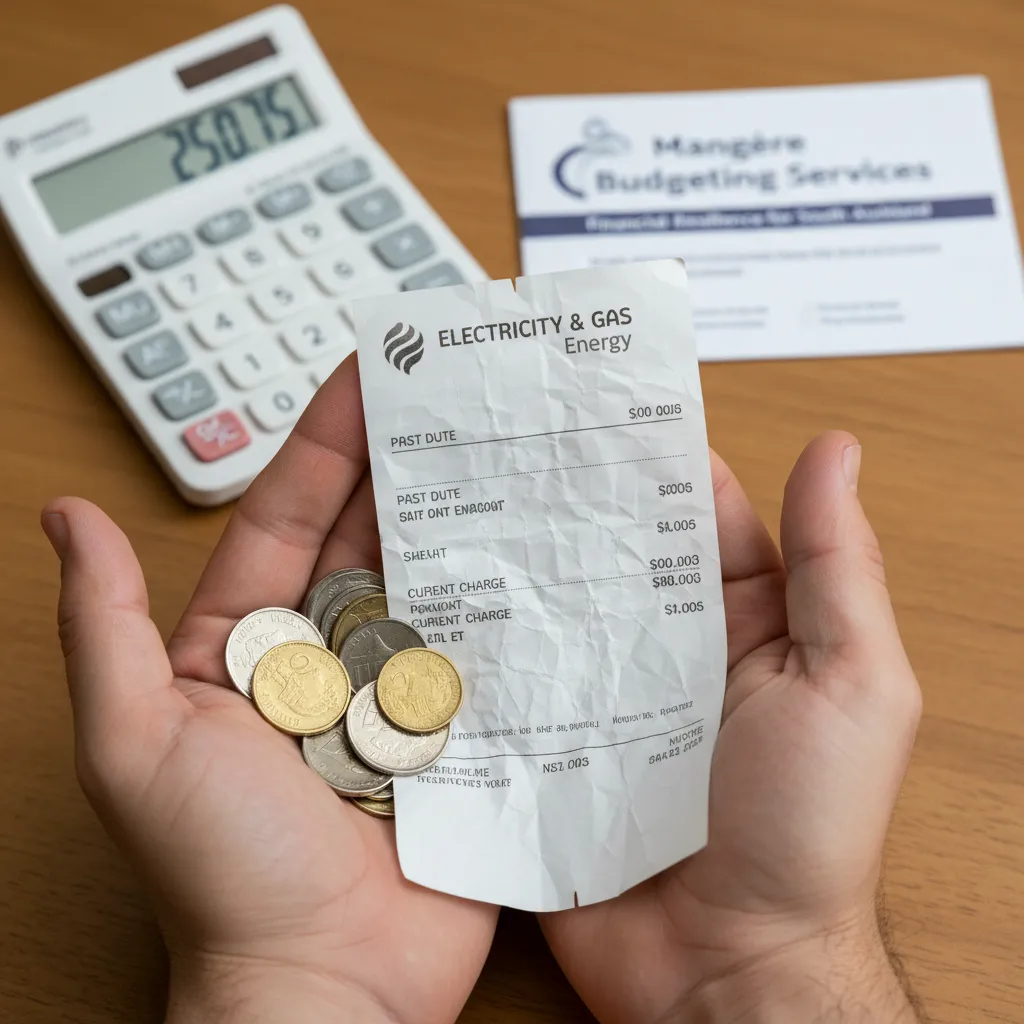
The most immediate benefit is the direct financial support. Winter energy bills can be substantial, often leading to difficult choices between heating and other essential expenses. The WEP lessens this pressure, providing a buffer that can prevent households from falling into energy poverty.
2. Improved Health and Wellbeing
A warm home is a healthy home. Cold indoor temperatures contribute to a range of health issues, particularly for the elderly, young children, and those with respiratory conditions. By enabling warmer living environments, the WEP helps reduce the incidence of winter illnesses, hospital admissions, and improves overall comfort and mental wellbeing.
3. Reduced Stress and Anxiety
Worrying about how to pay for heating can be a significant source of stress. Knowing that additional financial support is automatically provided during the most challenging months can greatly reduce anxiety, allowing individuals and families to focus on other aspects of their lives without constant financial strain.
Action Checklist: Ensuring You Receive Your Payment
While the Winter Energy Payment is automatic for eligible recipients, there are a few things you can do to ensure everything runs smoothly and to maximise your benefit.
- Confirm Your Eligibility: Double-check if you are receiving one of the qualifying benefits or NZ Superannuation. If you’re on a temporary benefit or have recently changed your situation, it’s worth verifying.
- Update Your Details with Work and Income: Ensure your contact details and household composition are current with Work and Income (MSD). Accurate information helps prevent any delays or issues with your payments.
- Understand Your Payment Schedule: Familiarise yourself with the winter energy payment dates – 1 May to 1 October. Knowing this period helps you anticipate the additional funds in your weekly payments.
- Monitor Your Bank Statements: Keep an eye on your bank account during the payment period. The WEP will be integrated into your regular benefit payment, so you’ll see a slight increase in the total amount received.
- Seek Advice if Unsure: If you have any questions about your eligibility, payment amounts, or if you believe you should be receiving the payment but aren’t, don’t hesitate to contact Work and Income or Mangere Budgeting Services for personalised guidance.
- Explore Other Energy Saving Tips: While the WEP helps, also consider ways to make your home more energy-efficient, such as insulating, draught-proofing, and using energy-efficient appliances. Every little bit helps your budget stretch further.
Understanding Your Payments and Getting Support
Navigating government support systems can sometimes feel complex, but resources are available to help. Work and Income is your primary source for official information regarding your specific payments and eligibility for the Winter Energy Payment.
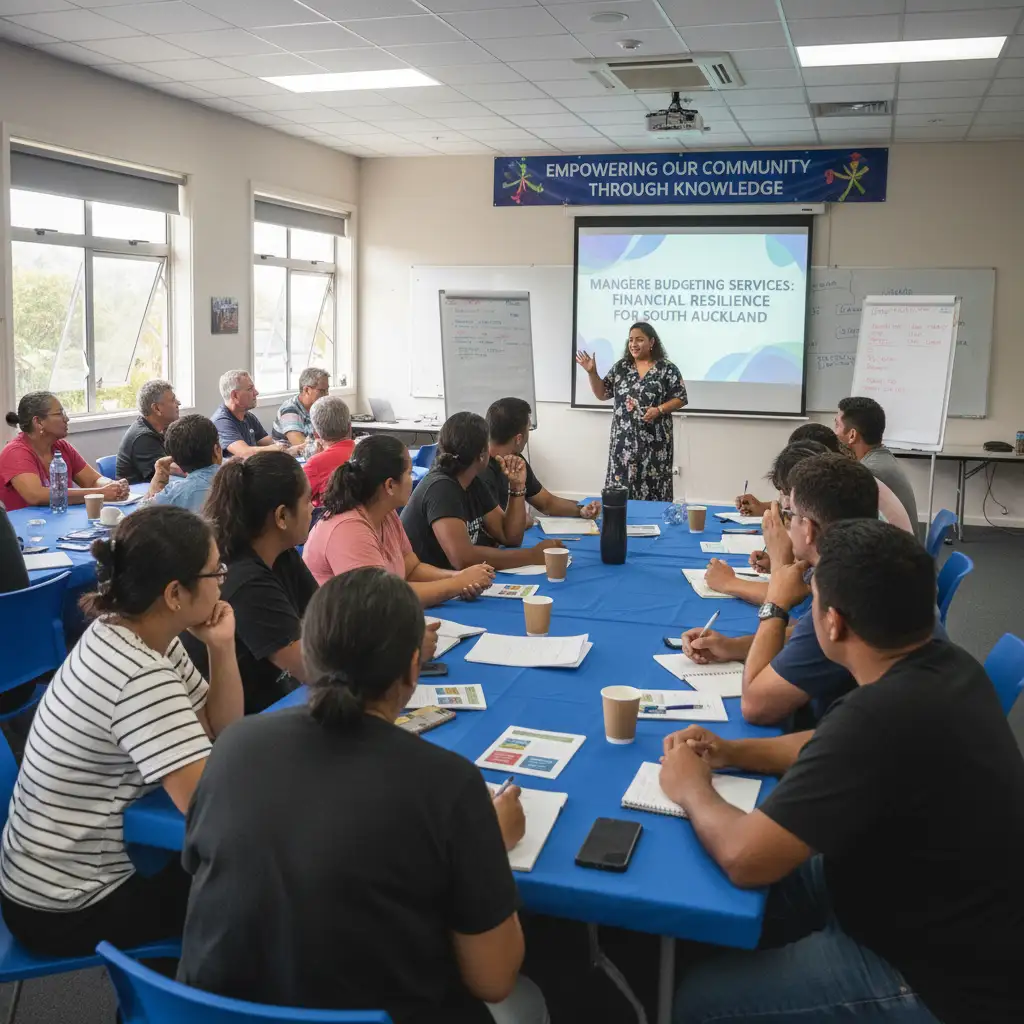
However, for broader financial advice, budgeting support, or assistance in understanding how various government supports fit into your overall financial picture, Mangere Budgeting Services is here for you. Our expert advisors can help you:
- Develop a comprehensive budget that accounts for all your income and expenses, including the Winter Energy Payment.
- Understand your entitlements and how to access other forms of financial assistance if needed.
- Provide guidance on managing debt and building financial resilience for the long term.
- Act as an advocate and guide in discussions with Work and Income, ensuring you receive the support you’re entitled to.
Don’t face winter energy costs alone. Leverage the support available through the Winter Energy Payment and the expertise of services like ours to ensure a warm and financially stable season.
Conclusion
The Winter Energy Payment is a vital initiative providing much-needed financial relief to hundreds of thousands of New Zealanders during the coldest months. By understanding the key winter energy payment dates, eligibility criteria, and how the payments work, you can better prepare your household for winter.
Remember, this payment is an automatic support designed to help you keep your home warm and your family healthy. If you or someone you know needs further assistance with budgeting or understanding government support, Mangere Budgeting Services offers free, confidential, and expert advice. Reach out to us – we’re here to help you achieve greater financial resilience throughout the year.
Frequently Asked Questions (FAQ)
When exactly are the winter energy payment dates for 2024?
The Winter Energy Payment for 2024 begins on 1 May and concludes on 1 October. Payments are made weekly alongside your regular benefit or NZ Superannuation during this 22-week period.
Do I need to apply for the Winter Energy Payment?
No, if you are eligible because you receive a qualifying main benefit, NZ Superannuation, or Veteran’s Pension, the Winter Energy Payment is made automatically. You do not need to apply.
How much will I receive per week?
For 2024, a single person without dependent children receives $25.50 per week. A couple or a single person with dependent children receives $40.84 per week.
What if I go overseas during the payment period?
If you leave New Zealand, your Winter Energy Payment will generally stop for the period you are overseas. It will restart automatically if you return to New Zealand before 1 October, provided you still meet the eligibility criteria.
Can Mangere Budgeting Services help me understand my Winter Energy Payment?
Yes, Mangere Budgeting Services offers free and confidential advice. We can help you understand how the Winter Energy Payment fits into your overall budget, clarify eligibility, and assist with any other financial questions you may have.
References/Sources
- Work and Income NZ. (n.d.). Winter Energy Payment. Retrieved from www.workandincome.govt.nz (Plausible official source)
- Ministry of Social Development. (n.d.). Benefit rates. Retrieved from www.msd.govt.nz (Plausible official source)
- Energywise. (n.d.). Saving energy in your home. Retrieved from www.energywise.govt.nz (Plausible general energy advice source)