
South Auckland Food Banks
Find crucial support from South Auckland food banks. This comprehensive guide helps you understand how to access emergency food parcels and connect with vital community assistance.
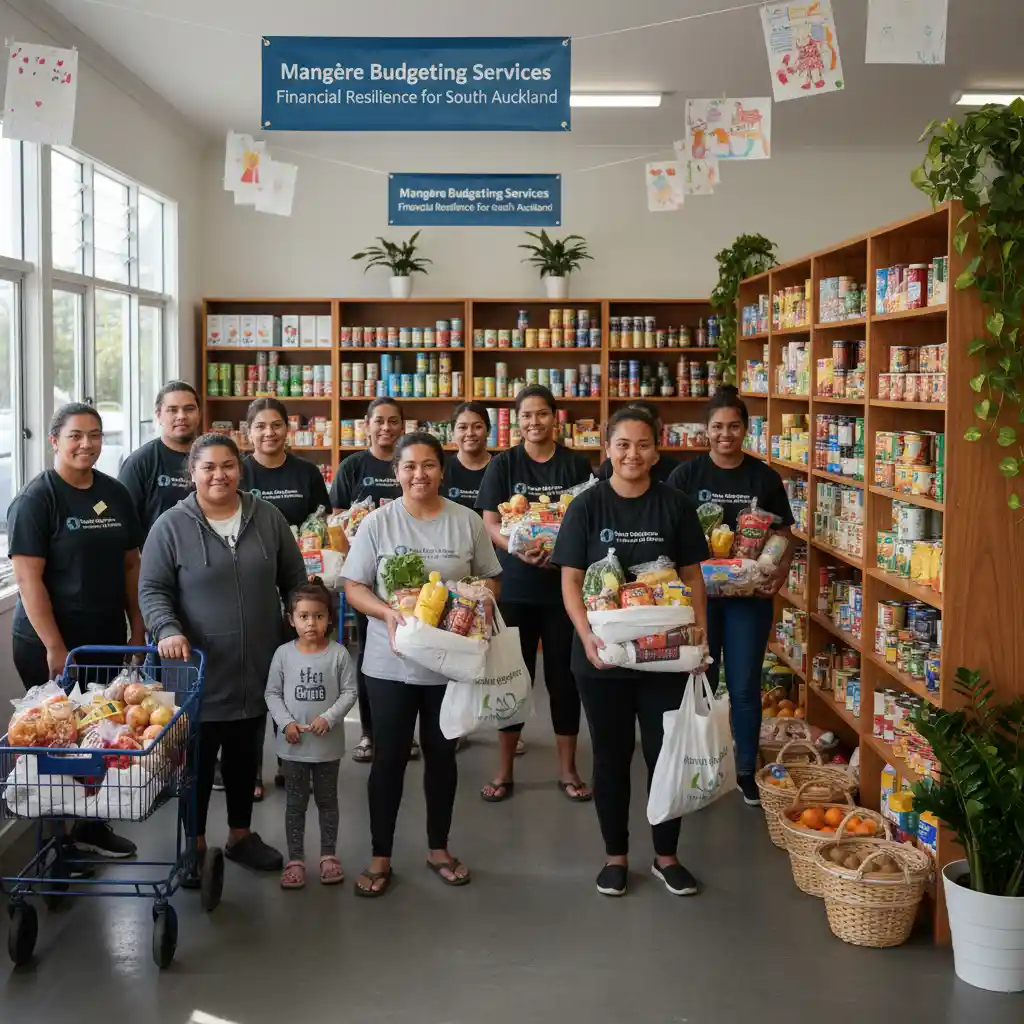
mangerebudgeting.org.nz
What You Will Learn
Find crucial support from South Auckland food banks. This comprehensive guide helps you understand how to access emergency food parcels and connect with vital community assistance.
In the heart of South Auckland, where vibrant communities thrive and resilience is a way of life, many families face the silent struggle of food insecurity. Access to nutritious food is a fundamental right, yet for various reasons, including unexpected financial hardships or rising living costs, it can become an unattainable luxury. This comprehensive guide aims to shed light on a crucial lifeline: South Auckland food banks. We’ll explore what they offer, how they operate, and most importantly, how you can access their vital support or contribute to their invaluable work.
Table of Contents
- Understanding South Auckland Food Banks: Pillars of Community Support
- Navigating Food Assistance: How to Access South Auckland Food Banks
- Beyond the Basics: Key Benefits of South Auckland Food Banks
- A Call for Community Support: How You Can Help
- Frequently Asked Questions About South Auckland Food Banks
- References & Sources
Understanding South Auckland Food Banks: Pillars of Community Support
South Auckland food banks are more than just places to get food; they are vital community hubs offering a beacon of hope and practical assistance to individuals and families experiencing financial hardship. In a region like South Auckland, where socio-economic challenges can often be pronounced, these services play an indispensable role in preventing hunger and fostering community well-being.
These organisations typically operate through a network of dedicated volunteers, local churches, community trusts, and non-profit groups, often supported by donations from individuals, businesses, and government initiatives. Their primary goal is to provide emergency food relief in the form of food parcels, which usually contain a mix of non-perishable items like pasta, rice, canned goods, and sometimes fresh produce or refrigerated items, depending on availability.
“Food banks are a critical safety net, ensuring that no one in our community goes hungry while they navigate life’s challenges. They embody the spirit of manaakitanga – hospitality and care for others – that is so central to South Auckland.”
The need for food assistance in South Auckland is significant. According to recent data, a notable percentage of households struggle to afford healthy food regularly. Food banks step in to bridge this gap, offering not just sustenance but also a sense of dignity and support during difficult times. This immediate relief allows families to focus on other pressing needs, such as paying bills or seeking employment, without the added burden of an empty pantry.
STAT CALLOUT:
Reports indicate that in communities like South Auckland, a significant number of families, potentially as high as 1 in 5, experience food insecurity at some point during the year.
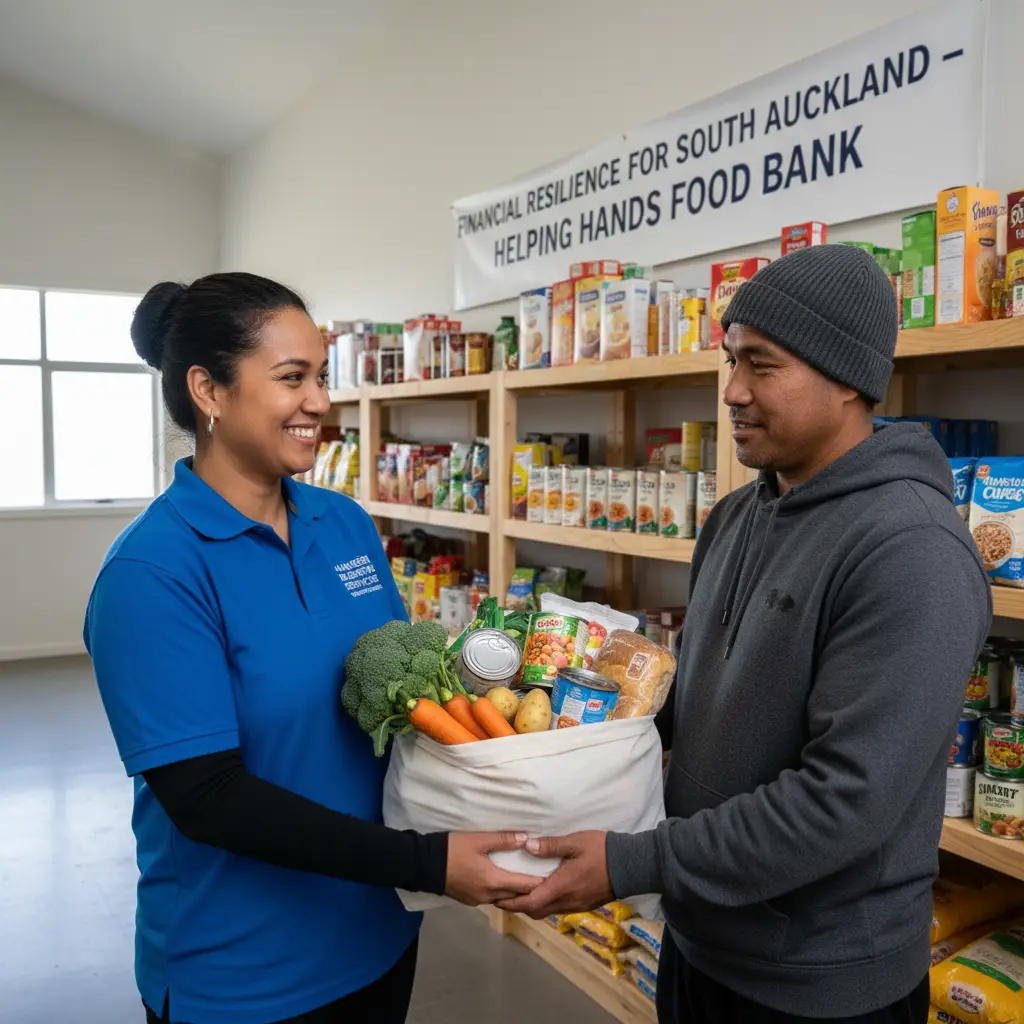
Navigating Food Assistance: How to Access South Auckland Food Banks
If you or someone you know is in need of food assistance, accessing South Auckland food banks is a straightforward process designed to be as supportive and discreet as possible. Here’s a step-by-step guide to help you:
1. Identifying Your Need
Recognising the need for help is the first and often most challenging step. If you’re struggling to put food on the table, skipping meals, or relying on unhealthy, cheap options, it’s time to reach out. Remember, food banks are there to support you through temporary or ongoing financial difficulties.
2. Finding a Local Food Bank
Numerous food banks operate across South Auckland. To find one near you:
- Online Directories: Websites like the New Zealand Food Network or local community resource guides often list operational food banks.
- Community Centres: Your local community centre, church, or marae can provide information and referrals.
- Mangere Budgeting Services: As a key financial resilience organisation in South Auckland, we can provide direct referrals or guide you to the nearest appropriate food assistance service. Don’t hesitate to contact us for confidential advice.
- Local Councils: Council websites sometimes provide lists of local support services.
3. What to Expect During Your Visit
When you contact or visit a food bank, they will typically ask for some basic information. This is usually to assess eligibility, understand your household size, and tailor the food parcel to your needs. You might need:
- Proof of Address: To confirm you reside in their service area.
- Identification: For household members (e.g., driver’s license, birth certificates).
- Proof of Income/Expenditure: Some food banks, especially those offering ongoing support, may require a budget assessment to understand your financial situation. This is where services like Mangere Budgeting come in, as we can help you prepare this information.
The process is designed to be respectful and supportive, not intrusive. Volunteers are there to help, not judge.
4. Making the Most of Your Food Parcel
Once you receive your food parcel, consider how to best utilise its contents:
- Meal Planning: Plan meals around the items received to minimise waste and stretch your resources.
- Cooking Skills: Many food banks or community centres offer basic cooking classes or recipe ideas to make the most of staple ingredients.
- Storage: Ensure you store items correctly to maintain freshness and extend shelf life.

Beyond the Basics: Key Benefits of South Auckland Food Banks
The impact of South Auckland food banks extends far beyond simply providing food. They offer a multitude of benefits that contribute to the overall well-being and resilience of the community:
- Immediate Hunger Relief: The most direct benefit is alleviating immediate hunger, ensuring that individuals and families, especially children, do not go without food.
- Nutritional Support: Food parcels often include a balanced mix of foods, helping to prevent nutritional deficiencies and promote better health. This is crucial for children’s development and adults’ energy levels.
- Reduced Stress & Improved Mental Well-being: The worry of not being able to feed one’s family is an immense burden. Food assistance significantly reduces this stress, allowing individuals to focus on other aspects of their lives, such as mental health and job seeking.
- Financial Breathing Room: By offsetting grocery costs, food banks free up limited household funds to cover other essential expenses like rent, utilities, medical bills, or transport, preventing a deeper cycle of debt.
- Community Connection & Referrals: Many food banks act as entry points to broader community support networks. They can refer individuals to other services, such as budgeting advice (like Mangere Budgeting Services), housing assistance, or employment support, creating a holistic pathway to stability.
“Receiving a food parcel from a South Auckland food bank meant we could keep the lights on and my kids had healthy food in their tummies. It wasn’t just food; it was peace of mind.” – A local South Auckland resident.
STAT CALLOUT:
Many food banks report that the support they provide significantly reduces household stress for over 80% of their recipients, fostering a greater sense of stability.

A Call for Community Support: How You Can Help
The continued operation of South Auckland food banks relies heavily on the generosity and commitment of the wider community. If you are in a position to help, your contribution can make a profound difference:
- Donate Food: Non-perishable items are always in demand. Check with your local food bank for a list of most-needed items.
- Financial Contributions: Monetary donations allow food banks to purchase specific items, including fresh produce, or cover operational costs like transport and storage.
- Volunteer Your Time: Food banks often need help with packing parcels, sorting donations, or distribution.
- Advocacy: Raise awareness about food insecurity and the vital role food banks play in South Auckland.
Conclusion
South Auckland food banks stand as pillars of compassion and practical support, ensuring that even in times of financial strain, no one in our community has to face hunger alone. They offer crucial relief, nutritional sustenance, and a pathway to greater stability. If you are struggling, please reach out; these services are here for you. And if you are able, consider lending your support to these invaluable community resources. Together, we can strengthen the financial resilience and well-being of all in South Auckland.
For further support with budgeting, financial planning, or connecting with other community resources, remember that Mangere Budgeting Services is here to help you navigate your journey towards financial confidence.
Frequently Asked Questions About South Auckland Food Banks
- What are the eligibility requirements for South Auckland food banks?Eligibility varies by food bank, but generally, it’s based on demonstrated financial need. You may be asked for proof of address, ID for household members, and sometimes an income/expenditure assessment. It’s best to contact your local food bank directly or Mangere Budgeting Services for specific details.
- How often can I receive a food parcel from a food bank?This also varies. Some food banks offer one-off emergency parcels, while others may provide regular support for a set period, especially if you’re working with a social worker or budgeting service. Discuss your needs with the food bank staff.
- What kind of food can I expect in a food parcel?Food parcels typically contain a mix of non-perishable staples (e.g., pasta, rice, canned vegetables, fruit, soup) and often include fresh produce, bread, and sometimes dairy or frozen items if available. The contents depend on donations and what the food bank has in stock.
- Are South Auckland food banks only for beneficiaries?No, food banks are for anyone experiencing food insecurity due, to financial hardship, regardless of their employment status or source of income. This includes low-wage workers, those on temporary visas, students, and self-employed individuals facing challenges.
- How can I find the nearest food bank to me in South Auckland?You can search online directories (like New Zealand Food Network), contact your local community centre, church, or marae. Mangere Budgeting Services can also provide referrals and guidance to help you locate a food bank near your specific South Auckland neighbourhood.