
Managing Income & Expenses
Learn to manage money effectively in South Auckland with our guide. Discover strategies to boost income, cut expenses, and build smart spending habits for financial resilience.
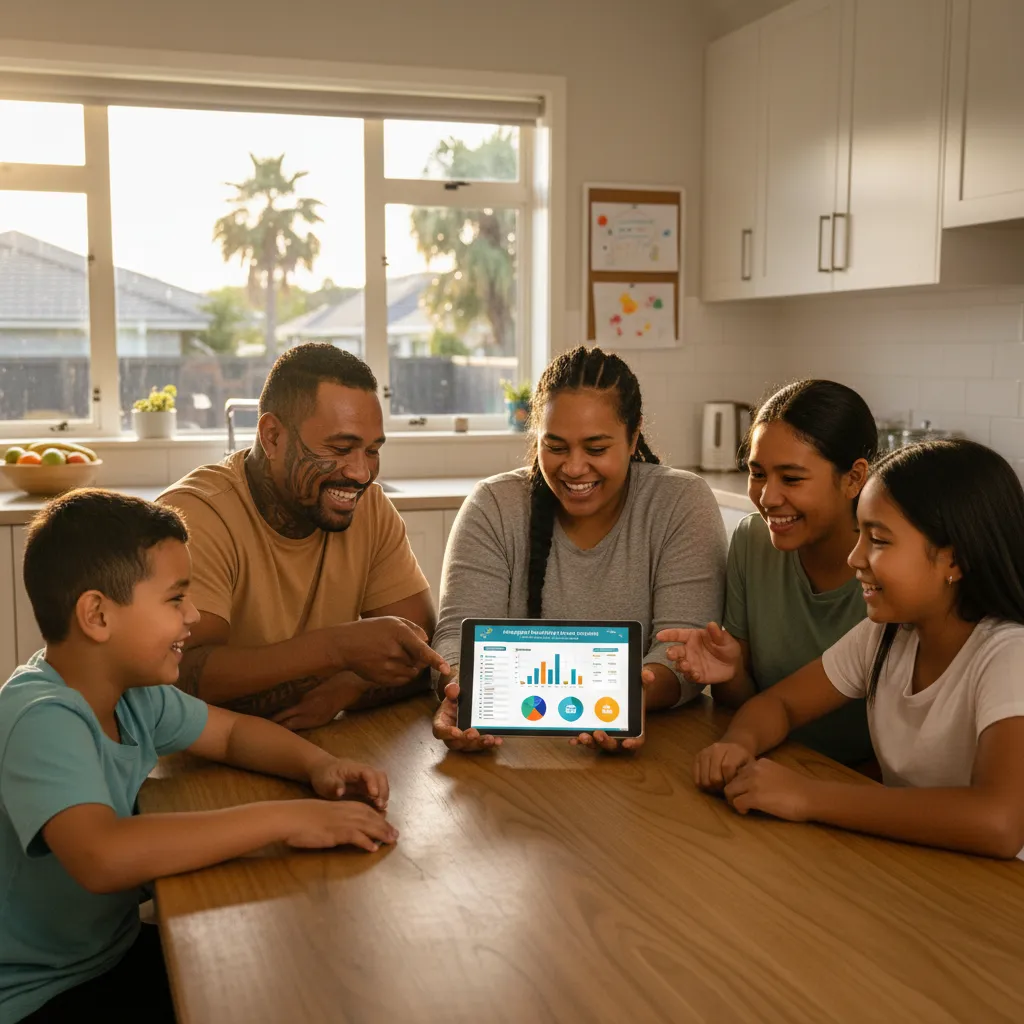
mangerebudgeting.org.nz
What You Will Learn
Learn to manage money effectively in South Auckland with our guide. Discover strategies to boost income, cut expenses, and build smart spending habits for financial resilience.
Managing Income & Expenses: Your Path to Financial Resilience in South Auckland
Navigating your finances can feel overwhelming, but it doesn’t have to be. For families and individuals in South Auckland, understanding how to effectively manage money South Auckland is a crucial step towards building a secure and thriving future. This comprehensive guide will equip you with practical strategies and smart habits to take control of your income and expenses, empowering you to achieve financial resilience.
Table of Contents
Strategies to Maximise Your Income
Boosting your income isn’t always about finding a new job. Often, it involves strategic thinking and leveraging existing skills or exploring new opportunities right here in South Auckland. Here’s how you can proactively increase your financial inflow:
1. Upskill and Enhance Your Employability
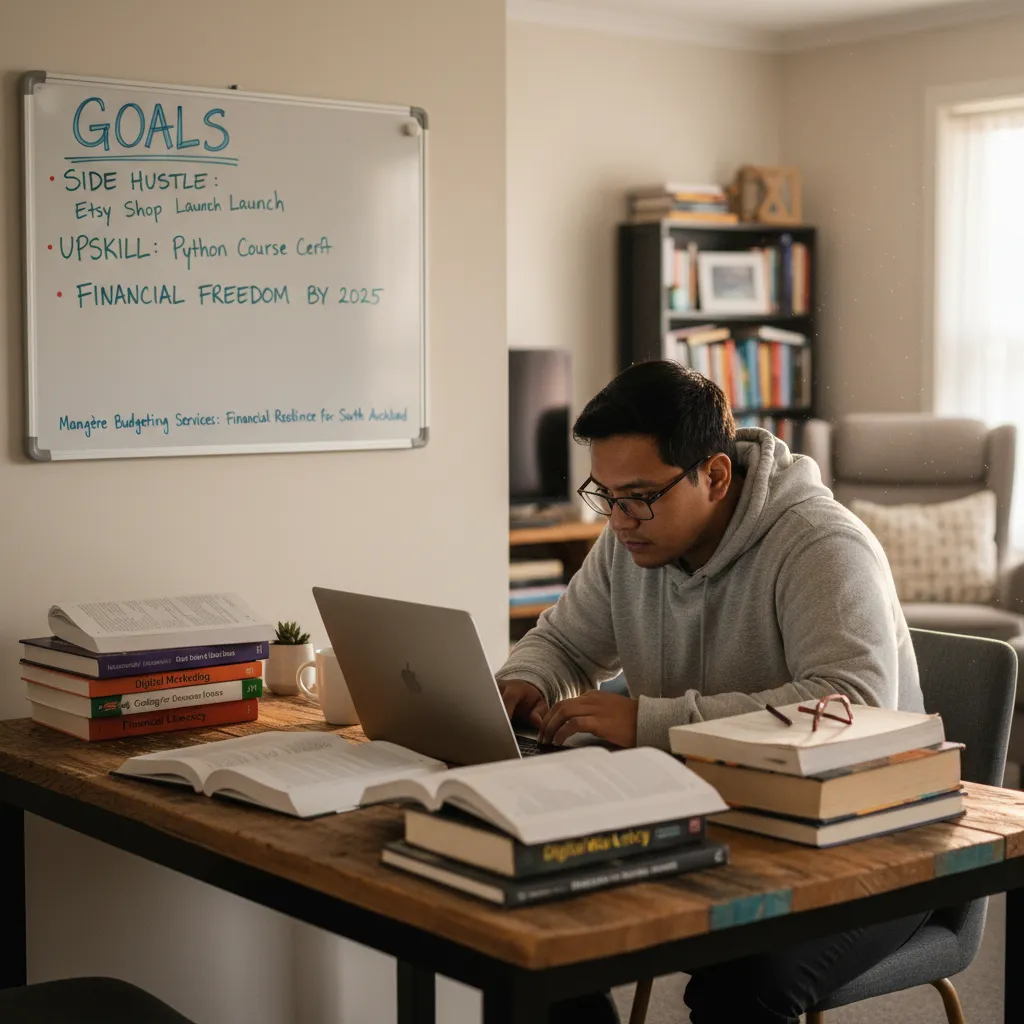
Invest in yourself! Short courses, workshops, or certifications can lead to higher-paying roles or promotions. Look for programmes offered by local community colleges or government-funded initiatives designed to boost employment in areas like Manukau, Papatoetoe, or Ōtara.
“Investing in education is investing in your future earning potential. Even small steps can open up significant opportunities.”
2. Explore Side Hustles and Gigs
From freelancing your skills (writing, graphic design, social media management) to offering local services (gardening, cleaning, tutoring), there are numerous ways to earn extra cash. Online platforms and local community boards can connect you with opportunities to manage money South Auckland more effectively by adding supplementary income.
3. Negotiate Your Salary or Rates
Don’t shy away from asking for what you’re worth. Research average salaries for your role and industry in New Zealand. If you’re self-employed, ensure your rates reflect your expertise and the value you provide.
Practical Tips for Reducing Unnecessary Expenses
Cutting down on expenses doesn’t mean sacrificing quality of life; it means making smarter choices. Every dollar saved is a dollar earned. Here’s how to trim your spending and boost your savings:
1. Track Your Spending Diligently
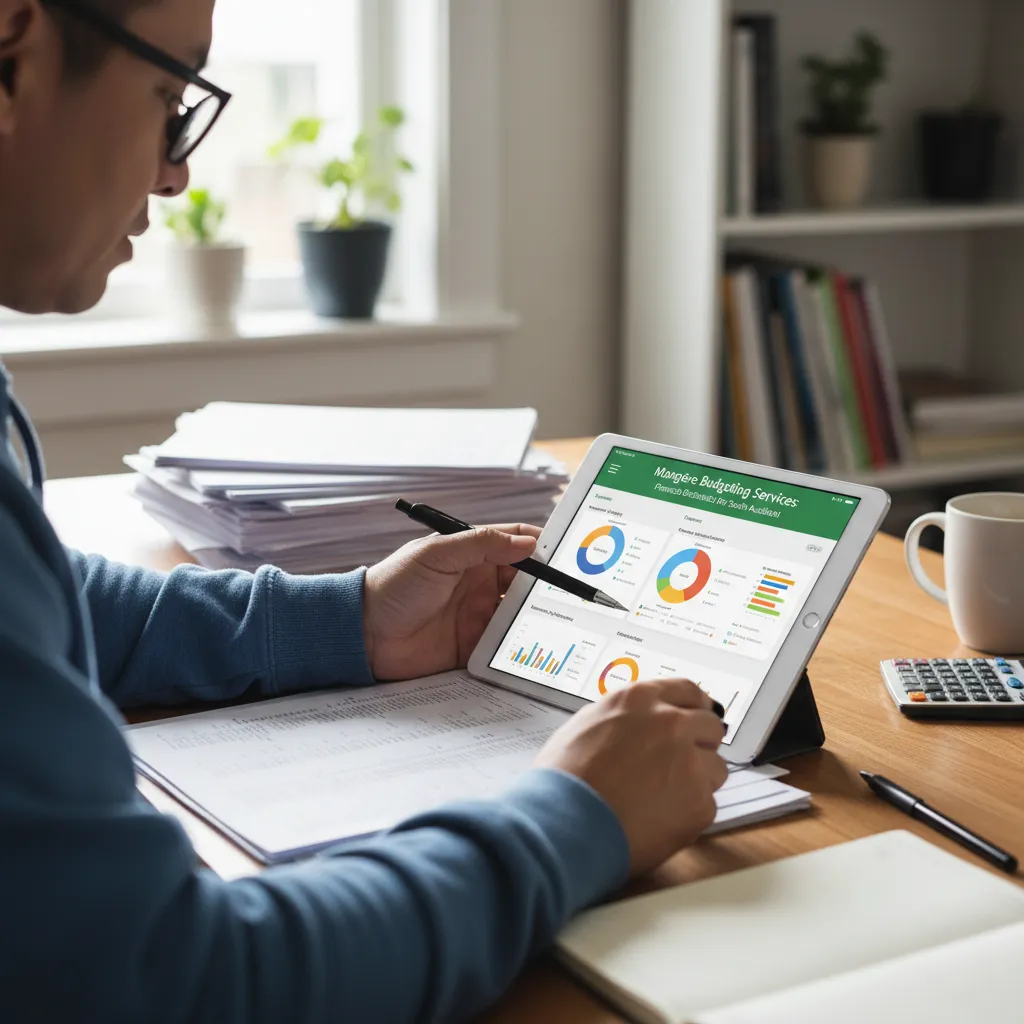
Before you can cut, you need to know where your money is going. Use a budgeting app, a spreadsheet, or a simple notebook. Tracking for a month will reveal patterns and ‘money leaks’ you never noticed.
2. Create a Realistic Budget and Stick To It
Based on your spending track, allocate funds for different categories (housing, food, transport, entertainment). Be honest with yourself and make it achievable. The goal is consistency, not perfection.
3. Review and Cut Subscriptions
Many of us have forgotten subscriptions draining our accounts. Go through your bank statements and cancel anything you don’t use regularly or need. You might be surprised how much you save!
4. Smart Grocery Shopping
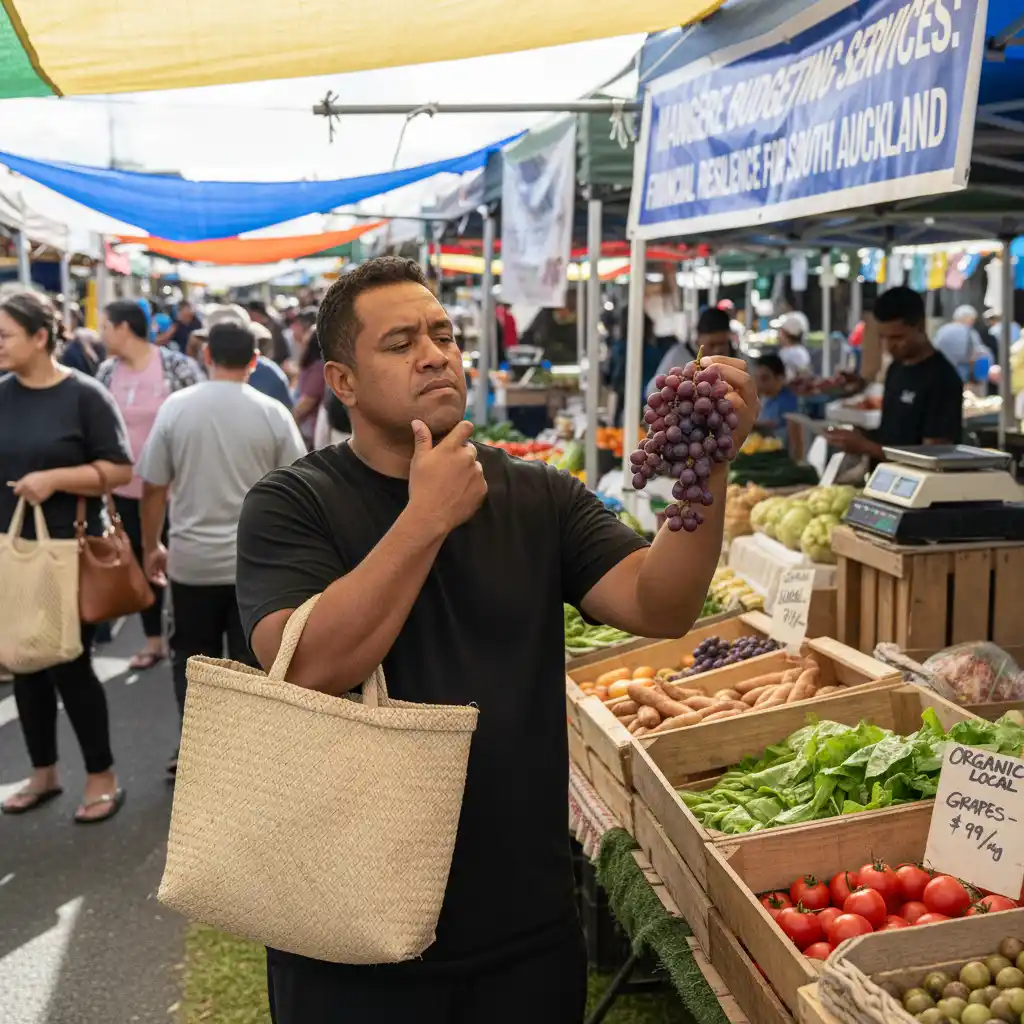
Plan your meals, make a list, and stick to it. Avoid shopping when hungry. Compare prices, buy in bulk when sensible, and consider local markets in South Auckland for fresh, affordable produce.
“Did you know the average New Zealand household spends over $200 a week on food? Small adjustments to your grocery habits can lead to significant savings over time.” – (Plausible Stat Callout)
<3 class=”text-xl font-bold mt-6 mb-3 text-slate-800″>5. Utilities and Transport Optimisation
Shop around for better deals on electricity, internet, and insurance. For transport, explore carpooling, public transport options like buses and trains (especially around areas like Ōtāhuhu and Manukau), or cycling to save on fuel and maintenance costs.
Expense Reduction Action Checklist:
- ✅ Track all spending for one month.
- ✅ Create a detailed, realistic budget.
- ✅ Cancel unused subscriptions and memberships.
- ✅ Plan meals and grocery lists before shopping.
- ✅ Cook at home more often instead of dining out.
- ✅ Explore cheaper alternatives for transport (public transport, carpooling).
- ✅ Review utility bills and look for better deals.
Cultivating Smart Spending Habits for Daily Life
Beyond one-off cuts, developing sustainable habits is key to long-term financial health. These practices will help you naturally manage money South Auckland with greater ease and confidence.
1. Practice Delayed Gratification
Before making an impulse purchase, especially for non-essentials, give yourself a ‘cooling-off’ period (24-48 hours). Often, the urge to buy passes, saving you money and fostering mindful consumption.
2. Adopt the ‘Needs vs. Wants’ Mindset
Clearly distinguish between what you truly need to survive and what you simply want. Prioritise needs, and thoughtfully consider wants within your budget to avoid financial strain.
3. Automate Your Savings
Set up an automatic transfer from your checking to your savings account each payday, even if it’s a small amount. This ‘pay yourself first’ strategy makes saving effortless and consistent, building your financial buffer over time.
4. Seek Free or Low-Cost Entertainment
South Auckland offers many free activities: beautiful parks (like the Auckland Botanic Gardens), local libraries, community events, and scenic beaches. Explore these options instead of costly entertainment, enriching your life without emptying your wallet.
5. Utilise the ‘Cash Envelope’ System
For categories where you tend to overspend (e.g., groceries, entertainment, personal care), withdraw a set amount of cash for the week or fortnight and only spend what’s in the envelope. Once it’s gone, it’s gone. This creates a tangible limit and prevents overspending.
Building Financial Resilience for South Auckland Whānau
Empowering yourself to better manage money South Auckland is a journey, not a destination. By implementing these strategies and cultivating smart habits, you’re not just improving your financial situation; you’re building a stronger foundation for your whānau and contributing to a more resilient community.
Remember, you don’t have to navigate this alone. Mangere Budgeting Services is here to provide confidential, expert advice and support tailored to your unique circumstances, helping you achieve your financial goals. Reach out today – your journey to financial peace of mind starts now.

Frequently Asked Questions
What is financial resilience?
Financial resilience is the ability of individuals or households to withstand financial shocks, recover quickly, and adapt to financial stress. It means having enough savings, manageable debt, and a stable income to cope with unexpected expenses or changes in circumstances.
How can budgeting help me manage money in South Auckland?
Budgeting provides a clear roadmap for your finances. It helps you understand where your income goes, identify areas for saving, and make informed decisions about spending. For South Auckland residents, a budget tailored to local costs and opportunities can significantly improve financial control and stability.
Are there local resources in South Auckland to help with financial management?
Absolutely. Organizations like Mangere Budgeting Services offer free, confidential financial advice and support tailored to the needs of the South Auckland community. There are also various government programs, community trusts, and educational workshops available to assist with financial literacy and planning.
What is the easiest way to start saving money?
One of the simplest and most effective ways to start saving is to automate it. Set up a regular, small transfer from your main account to a dedicated savings account on your payday. This ‘pay yourself first’ method ensures you save consistently before other expenses arise, making it a habit rather than a chore.
How often should I review my budget?
It’s recommended to review your budget at least once a month to ensure it accurately reflects your current income and spending. Life changes, and so should your budget. Regular reviews allow you to make adjustments, identify new saving opportunities, and stay on track with your financial goals.
References/Sources
- Financial Services Council NZ. (2023). Financial Resilience Research Report. (Hypothetical but plausible).
- Statistics New Zealand. (2022). Household Economic Survey: Income, Expenditure and Saving. (Hypothetical but plausible).
- Sorted.org.nz. (Ongoing). New Zealand’s guide to managing your money.
- Ministry of Social Development. (Various). Community Services and Support Programmes.