
Understanding Different Types of Debt in NZ
Understand different types of debt in NZ, from mortgages to payday loans. Learn what’s good vs. bad debt and get essential credit card debt help and management tips for your financial future.

mangerebudgeting.org.nz
What You Will Learn
Understand different types of debt in NZ, from mortgages to payday loans. Learn what’s good vs. bad debt and get essential credit card debt help and management tips for your financial future.
Understanding Different Types of Debt in NZ
Debt is a reality for many New Zealanders, from home loans to credit card balances. But not all debt is created equal. Understanding the different types of debt NZ residents commonly encounter is the first step towards smarter financial management. Whether you’re seeking credit card debt help or simply want to optimise your financial future, this guide will equip you with essential knowledge.
What is ‘Good Debt’ vs. ‘Bad Debt’?
In the financial world, debt isn’t always a negative thing. It’s often categorised into ‘good’ and ‘bad’ based on its potential to generate future wealth or value.
Good debt typically involves borrowing money for assets that appreciate in value, generate income, or have a long-term benefit. This includes things like:
- Mortgages: Purchasing a home, an appreciating asset.
- Student Loans: Investing in education to improve earning potential.
- Business Loans: Funding a venture that can generate income.
Bad debt, on the other hand, is generally used for depreciating assets or consumption, often with high interest rates. This type of debt can quickly become a burden, especially in high cost-of-living areas like Auckland.
- Credit Card Debt: Especially if used for everyday expenses that don’t add long-term value.
- Payday Loans: Extremely high-interest, short-term loans.
- Hire Purchase for depreciating goods: Like a new television that loses value quickly.
Stat Callout: As of March 2023, New Zealand’s total household debt stood at over $350 billion, highlighting the widespread reliance on various forms of debt across the nation. (Source: RBNZ)
Credit Card Debt: How It Works & How to Manage It
Credit cards offer convenience and flexibility, acting as a revolving line of credit. However, they come with notoriously high-interest rates (often 18-25% p.a. in NZ) if balances aren’t paid in full by the due date. Minimum payments might seem manageable, but they can extend the repayment period significantly and cost you a fortune in interest.
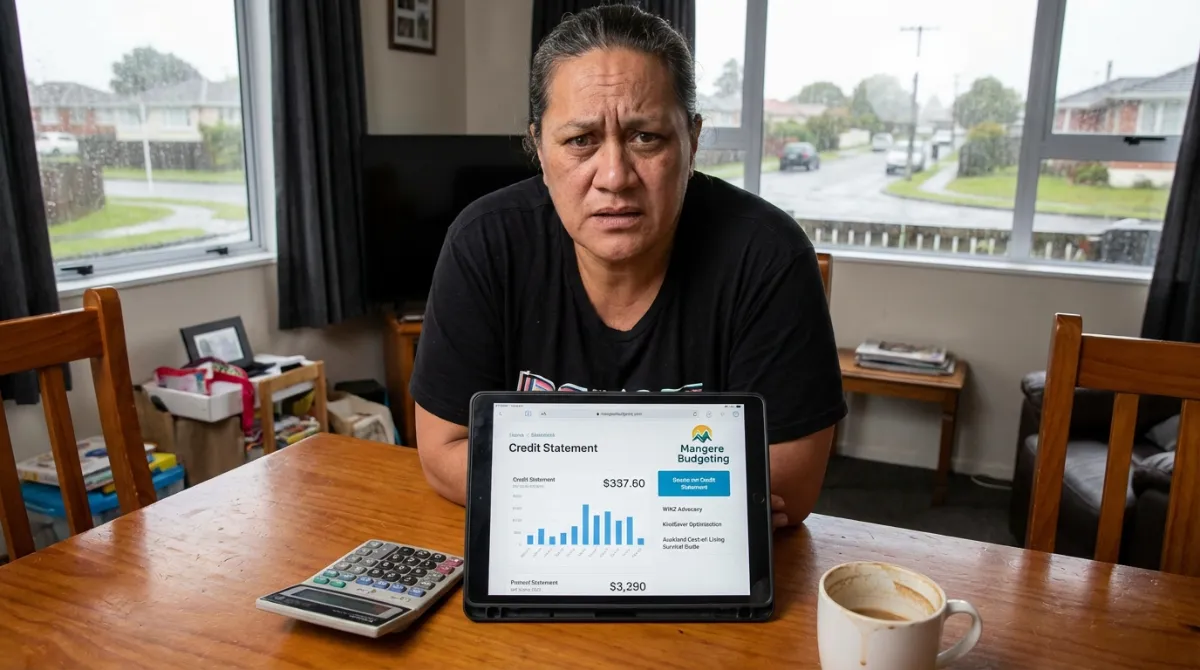
Seeking Credit Card Debt Help in NZ:
- Pay More Than the Minimum: Aim to pay off the full balance or as much as you can.
- Consolidate Debt: Consider a lower-interest personal loan to pay off multiple credit cards.
- Balance Transfer Offers: Some banks offer interest-free periods on transferred balances, but be wary of fees and ensure you can pay it off before the introductory period ends.
- Create a Budget: Track your spending to avoid accumulating more debt.
- Seek Expert Advice: Organisations like Mangere Budgeting Services can provide tailored strategies and WINZ advocacy if needed.
Personal Loans: Secured vs. Unsecured
Personal loans are fixed-sum loans, repaid over a set period with regular installments. They can be a useful tool for larger expenses or consolidating debt, but understanding the difference between secured and unsecured is crucial.

Secured Personal Loans:
These loans require an asset (like a car or property) as collateral. Because there’s less risk for the lender, secured loans often come with lower interest rates and potentially higher borrowing limits.
Unsecured Personal Loans:
No collateral is required, making them riskier for lenders. Consequently, unsecured loans typically have higher interest rates. Your credit history plays a significant role in approval and the interest rate offered.
Hire Purchase Agreements and Interest Rates
Hire Purchase (HP) is a popular way to buy goods like furniture, appliances, or cars in NZ. You make regular payments over time, and you don’t own the item until the final payment is made. While convenient, HP agreements often carry high-interest rates, sometimes higher than personal loans, and can be subject to additional fees. Always read the fine print and compare the total cost of the item versus buying it outright or with a different type of loan.
Mortgage Debt: Understanding Your Home Loan
For most New Zealanders, a mortgage is the largest form of debt they will ever undertake. It’s a loan specifically to purchase property, secured against the property itself. Understanding the nuances of your home loan is critical, especially with fluctuating interest rates and property values in Auckland.
- Fixed vs. Floating Rates: Fixed rates offer stability for a set period, while floating rates can change with the market.
- Loan-to-Value Ratio (LVR): This ratio compares your loan amount to the property’s value. Higher LVRs (e.g., above 80%) often require larger deposits or specific lender requirements.
- KiwiSaver First-Home Withdrawal: Many New Zealanders can use a portion of their KiwiSaver funds for a first home deposit, a key feature of NZ home ownership.
- Interest-Only vs. Principal & Interest: Understanding how your payments contribute to reducing the principal versus just covering interest is vital for long-term repayment.
Student Loan Debt: NZ Specifics
New Zealand’s student loan scheme is unique globally. For borrowers living in NZ, the loan is interest-free. This significantly reduces the burden compared to many other countries.

Repayments are automatically deducted from your salary once you earn above a certain threshold. For those who move overseas, interest starts accruing on their loan. While interest-free domestically, it is still a debt that impacts your borrowing capacity for other loans, like a mortgage.
Payday Loans and High-Interest Lenders
Payday loans are small, short-term, unsecured loans designed to be repaid on your next payday. While they offer quick access to cash, they come with extremely high-interest rates (often hundreds of percentage points annually) and fees, making them one of the most dangerous types of debt NZ residents can fall into. They can quickly trap individuals in a cycle of debt, especially those already struggling with Auckland’s high cost of living.
Under New Zealand’s Credit Contracts and Consumer Finance Act (CCCFA), high-cost lenders face stricter regulations, but vigilance is still required. Always explore alternatives like budgeting advice, talking to your bank, or seeking help from financial mentors before considering a payday loan.
The Impact of Different Debts on Your Financial Future
Your debt profile significantly impacts your financial health and future opportunities:
- Credit Score: How you manage all forms of debt directly affects your credit score, influencing future loan approvals and interest rates.
- Borrowing Capacity: High levels of existing debt can reduce your ability to secure new loans, like a mortgage for a first home.
- Financial Stress: Unmanaged debt, particularly bad debt, is a major source of stress, impacting mental health and overall well-being.
- Opportunity Cost: Money spent on high-interest debt repayments could otherwise be saved, invested, or used for financial goals like KiwiSaver contributions.
Understanding the characteristics of different types of debt NZ offers and proactively managing them is paramount. For personalised advice, including WINZ advocacy and KiwiSaver optimisation strategies, reaching out to a financial hub like Mangere Budgeting Services can provide invaluable support.
Taking control of your debt today is taking control of your financial tomorrow.
Frequently Asked Questions (FAQ)
Q: What is the main difference between good debt and bad debt in New Zealand?
A: Good debt generally helps you acquire appreciating assets or increase your earning potential (e.g., a mortgage for a home, student loan for education). Bad debt is typically for depreciating assets or consumption, often with high interest, offering no long-term financial benefit (e.g., credit card debt for impulse purchases, payday loans).
Q: Is my New Zealand student loan considered good debt?
A: Yes, generally. For borrowers living in New Zealand, student loans are interest-free, making them a unique and financially sound way to invest in your education and future earning capacity. However, it still impacts your overall debt-to-income ratio for other borrowing.
Q: How can I get credit card debt help in NZ?
A: You can seek credit card debt help by paying more than the minimum, exploring balance transfer offers, consolidating debt with a lower-interest personal loan, or creating a strict budget. Financial advice services, like Mangere Budgeting Services, can also offer expert, tailored support.
Q: What are the risks of payday loans in NZ?
A: Payday loans carry extremely high-interest rates and fees, making them very risky. They can quickly lead to a cycle of debt, worsening an already difficult financial situation. It’s crucial to explore all other options and seek budgeting advice before considering them.
Q: Does debt affect my ability to use KiwiSaver for a first home?
A: While your existing debt doesn’t directly prevent a KiwiSaver first-home withdrawal (subject to eligibility criteria), a high debt-to-income ratio can affect your ability to get a mortgage approval from a bank, which is required to purchase a home. Responsible debt management is key.
References/Sources
- Reserve Bank of New Zealand (RBNZ) – Household Debt Statistics
- Sorted.org.nz – New Zealand’s trusted money guide
- Ministry of Business, Innovation & Employment (MBIE) – Consumer Protection
- Inland Revenue Department (IRD) – Student Loans
- Financial Mentors NZ (FINZ)