
Budgeting for Auckland Transport: Public & Private
Master your Auckland transport budget! Learn how to save with AT HOP, compare public and private options, and discover smart strategies for reducing daily commute costs in NZ’s biggest city.
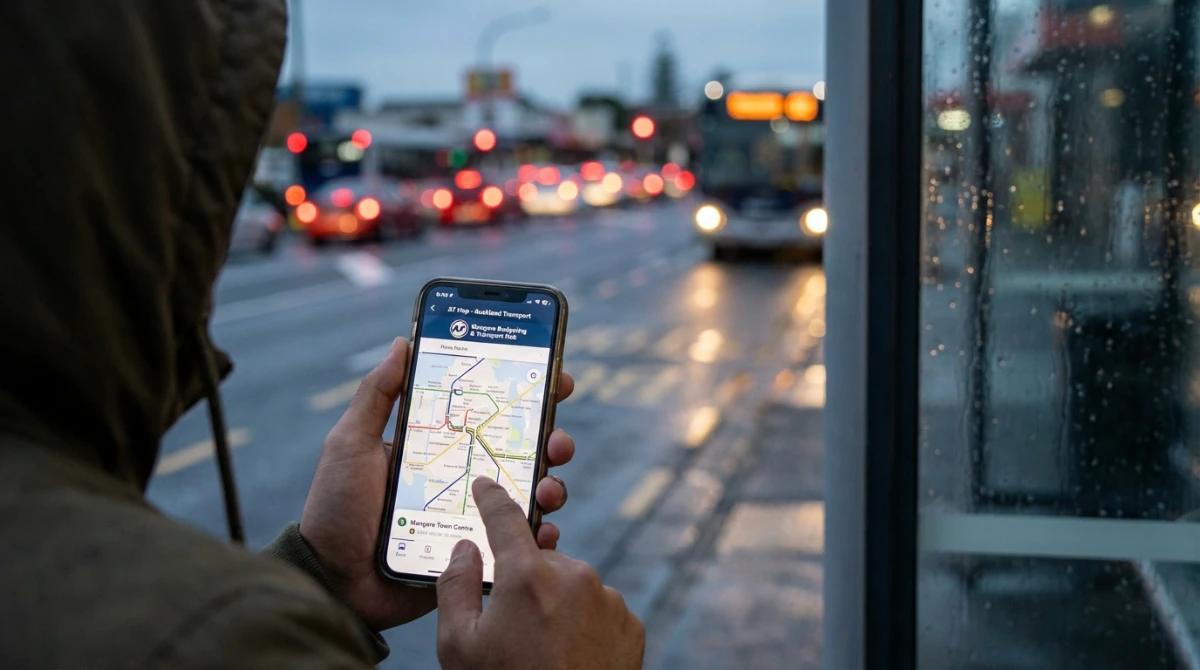
mangerebudgeting.org.nz
What You Will Learn
Master your Auckland transport budget! Learn how to save with AT HOP, compare public and private options, and discover smart strategies for reducing daily commute costs in NZ’s biggest city.
Navigating Auckland’s transport landscape can feel like a maze, especially when you’re trying to keep your finances in check. From fuel prices to public transport fares, the costs of getting around New Zealand’s largest city can quickly add up, impacting your overall Auckland transport budget. But what if you could unlock significant savings and make smarter choices for your daily commute? This comprehensive guide from Mangere Budgeting is designed to empower you with expert strategies, whether you rely on public transport, a private vehicle, or a mix of both.
We’ll delve into practical ways to optimise your spending, from maximising AT HOP savings to understanding the true cost of car ownership in Tāmaki Makaurau. Our goal is to transform your transport habits into budget-friendly routines, ensuring more of your hard-earned money stays in your pocket.
Table of Contents
- Calculating Your Current Transport Costs
- Making the Most of Public Transport: AT HOP Card & Fares
- Comparing Costs: Bus, Train, Ferry, & Ride-sharing
- Tips for Reducing Car Ownership Costs: Fuel, Maintenance, Insurance
- Cycling and Walking as Cost-Effective Alternatives
- Carpooling and Public Transport Subsidies
- Planning Your Commute for Maximum Savings
- Local Transport Initiatives and Discounts
- Frequently Asked Questions (FAQs)
- References & Further Reading
Calculating Your Current Transport Costs
Before you can save, you need to know where your money is going. Many Aucklanders underestimate their true transport expenditure. Let’s break it down step-by-step.
-
Track All Spending for One Month
Use a budgeting app or a simple spreadsheet to log every transport-related expense: fuel, AT HOP top-ups, parking fees, taxi/rideshare fares, car maintenance, insurance payments (prorated monthly), WOFs, registration, and even incidental costs like car washes.
-
Categorise Your Expenses
Separate costs into fixed (insurance, registration) and variable (fuel, public transport fares). This helps identify areas where you have more control.
-
Calculate Your Total Monthly Outlay
Add everything up. This figure is your baseline. You might be surprised by the actual cost. For context, the AA estimates average annual running costs for a small car in NZ can exceed $8,000 to $10,000, a significant portion of many household budgets.
Making the Most of Public Transport: AT HOP Card & Fares
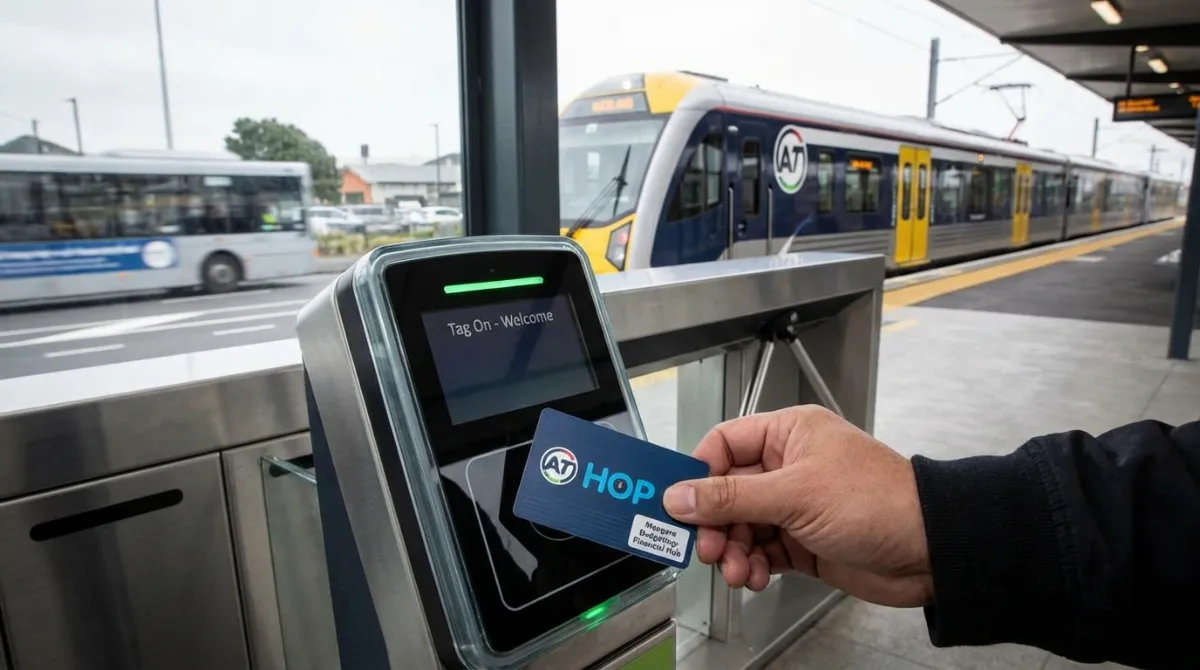
The AT HOP card is your gateway to savings on Auckland’s buses, trains, and ferries. It’s crucial for anyone looking to optimise their Auckland transport budget.
Why AT HOP is Essential for Savings
- Cheaper Fares: AT HOP fares are significantly cheaper than cash fares. For example, a single bus trip can be 25-50% less with AT HOP.
- Daily & Weekly Caps: Auckland Transport (AT) has fare capping, meaning you won’t pay more than a certain amount per day or per week, regardless of how many trips you take within certain zones. This is a huge benefit for frequent users.
- Seamless Transfers: Enjoy free or discounted transfers between AT services within a specified time period, reducing the cost of multi-leg journeys.
- Child & Student Discounts: Eligible children and tertiary students receive further fare reductions when their AT HOP card is registered with their concession.
Pro Tip: Register your AT HOP card online. This protects your balance if the card is lost or stolen and allows you to track your spending, helping you manage your AT HOP savings effectively.
Comparing Costs: Bus, Train, Ferry, & Ride-sharing
Choosing the right mode of transport can make a significant difference to your wallet. Here’s a quick comparison to help you weigh your options.
| Mode | Typical Cost (AT HOP / Estimated) | Pros | Cons |
|---|---|---|---|
| Bus | $1.35 – $5.50+ (1-5+ zones) | Extensive network, frequent, affordable with AT HOP. | Traffic delays, can be crowded. |
| Train | $1.35 – $5.50+ (1-5+ zones) | Reliable, fast, avoids traffic, comfortable. | Limited network coverage, less frequent off-peak. |
| Ferry | $5.00 – $10.00+ (depending on route) | Scenic, avoids traffic, often quickest for specific routes. | Higher cost, limited routes, weather-dependent. |
| Ride-sharing (Uber/Ola) | Highly variable ($15 – $50+ per trip) | Door-to-door convenience, on-demand. | Most expensive, surge pricing, contributes to congestion. |
| Private Car | Fuel, parking, maintenance, insurance (variable) | Flexibility, privacy, carrying capacity. | High fixed & variable costs, traffic, parking challenges. |
“While private cars offer unparalleled freedom, the total cost of ownership in Auckland often outweighs the convenience, especially for single commuters. Explore public transport options thoroughly before committing to a car.” – Mangere Budgeting Expert
Tips for Reducing Car Ownership Costs: Fuel, Maintenance, Insurance
If a car is essential, smart management can still yield significant savings for your Auckland transport budget.
- Fuel Efficiency: Drive smoothly, avoid harsh acceleration/braking, ensure tyres are correctly inflated, and avoid carrying unnecessary weight. Use apps to find the cheapest fuel stations nearby.
- Regular Maintenance: Preventative maintenance (oil changes, tyre rotations) can save you from costly major repairs down the line. Shop around for mechanics and get multiple quotes.
- Shop for Insurance: Don’t just renew automatically. Compare quotes from different providers annually. Consider increasing your excess if you have emergency savings.
- Consider a Smaller/Hybrid Vehicle: If upgrading, choose a more fuel-efficient model. The long-term savings often justify the initial investment.
- Limit Unnecessary Trips: Group errands, walk to local shops, or combine car trips with public transport.
Cycling and Walking as Cost-Effective Alternatives
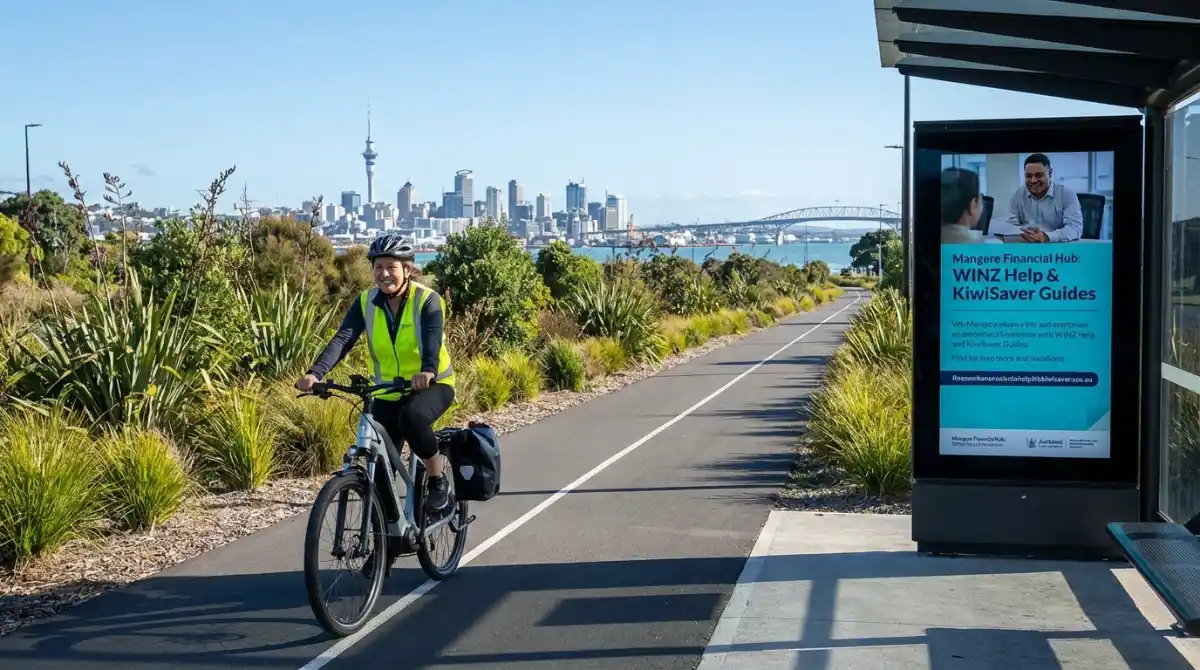
For shorter distances, cycling and walking are not only free but also offer significant health benefits. Auckland’s network of cycleways is expanding, making these options more viable than ever.
- Zero Fares, Zero Fuel: The ultimate AT HOP savings is not needing one for short trips.
- Health Benefits: Improve your fitness and mental well-being.
- Environmental Impact: Reduce your carbon footprint.
Consider an e-bike for longer commutes or hilly areas, offering the benefits of cycling with less effort. Factor in the initial cost, but remember the long-term savings on fuel and fares.
Carpooling and Public Transport Subsidies
Sharing a ride or utilising available subsidies can dramatically cut your transport costs.
Carpooling
Team up with colleagues, friends, or neighbours who have a similar commute. Splitting fuel and parking costs can reduce your expenses by half or more. Look for local carpooling groups or use apps designed for ride-sharing.
Public Transport Subsidies & Concessions
- WINZ Assistance: If you receive support from Work and Income NZ (WINZ), you may be eligible for transport assistance for job interviews, medical appointments, or specific training. Contact your case manager for details.
- SuperGold Card: Senior citizens with a SuperGold card travel for free on AT public transport during off-peak hours (9 am – 3 pm weekdays, and all day weekends/public holidays).
- Accessible Fares: AT offers accessible fares for eligible passengers with disabilities.
Don’t leave money on the table; investigate all potential subsidies relevant to your situation.
Planning Your Commute for Maximum Savings
Strategic planning is key to effective budgeting for Auckland transport.
- Use AT Mobile App: This app provides real-time information, journey planning, and fare estimates, helping you choose the most efficient and cost-effective route.
- Off-Peak Travel: If your schedule allows, travel during off-peak hours to avoid congestion and potentially benefit from less crowded public transport.
- Park & Ride: Utilise AT’s Park & Ride facilities. Drive part of the way, park your car, and complete your journey by bus or train. This can save on central city parking fees and fuel.
- Combine Modes: Often, the cheapest and fastest option is a combination – e.g., cycling to a train station, then taking the train.
Local Transport Initiatives and Discounts
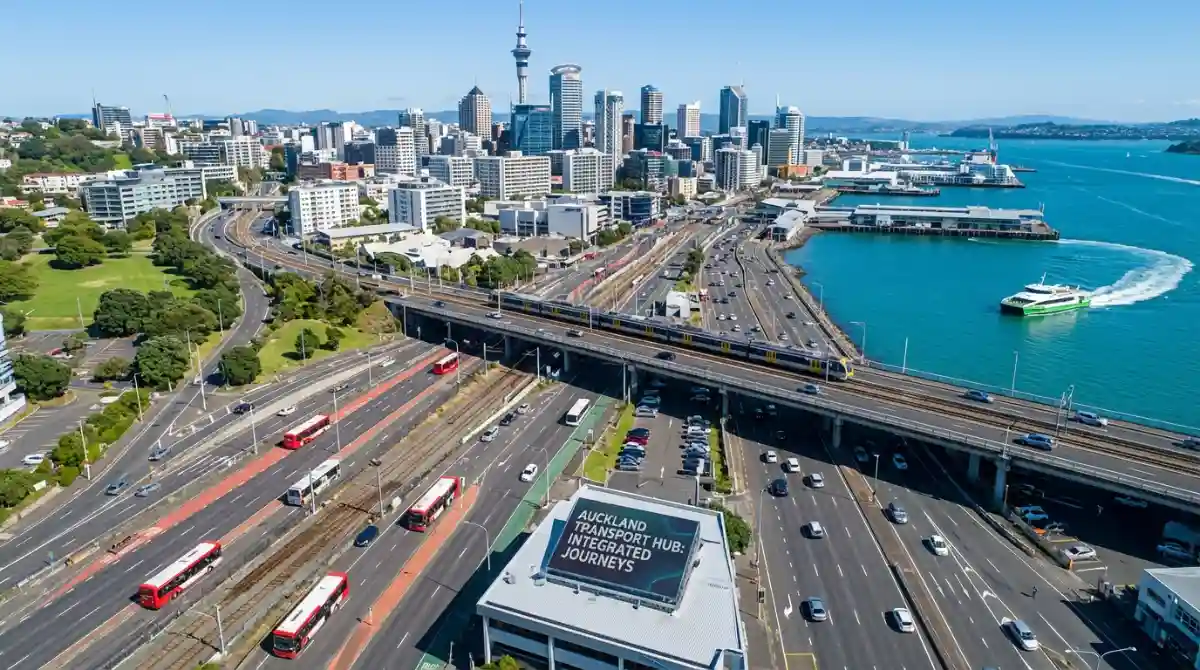
Auckland Transport frequently rolls out new initiatives and discounts. Staying informed can uncover hidden savings.
- Promotional Fares: Keep an eye on the AT website for temporary promotional fares or special event transport deals.
- Sustainable Travel Programmes: Some workplaces or educational institutions offer incentives or subsidies for employees/students who use public transport, cycle, or carpool. Inquire with your employer or school.
- Community Transport: In some areas, local community groups or councils offer subsidised transport services for residents, especially for specific needs.
Making informed choices about your transport is a powerful way to take control of your Auckland transport budget. By leveraging tools like the AT HOP card, exploring alternative modes, and staying aware of available subsidies, you can significantly reduce your monthly outlay and free up funds for other essential areas of your budget. Mangere Budgeting is here to support you every step of the way in your financial journey.
Frequently Asked Questions (FAQs)
Q: How can I check my AT HOP card balance and transaction history?
A: You can check your AT HOP card balance and view your transaction history by registering your card on the Auckland Transport website or by using the AT Mobile app. This helps you keep track of your AT HOP savings and spending.
Q: Are there any specific apps to help me plan my Auckland transport budget?
A: Yes, the official AT Mobile app is excellent for journey planning and real-time updates. For overall budgeting, general financial apps like Sorted.org.nz’s budget tools or your bank’s budgeting features can help you monitor your transport expenses.
Q: What are the main benefits of using an AT HOP card over cash for public transport?
A: The primary benefits are significantly lower fares, daily and weekly fare capping, and seamless free or discounted transfers between AT services. These features are designed to maximise your AT HOP savings and make public transport more affordable.
Q: Can I get financial assistance for transport costs if I’m on a low income in Auckland?
A: Yes, if you are receiving support from Work and Income NZ (WINZ), you may be eligible for transport assistance for essential travel like job interviews, medical appointments, or training. It’s best to speak with your WINZ case manager directly about your specific needs.
References & Further Reading
- Auckland Transport (AT) Official Website: at.govt.nz
- AA New Zealand – Vehicle Running Costs: aa.co.nz/cars/motoring-advice/vehicle-running-costs/
- Work and Income New Zealand (WINZ) – Transport Assistance: workandincome.govt.nz
- Sorted.org.nz – New Zealand’s personal finance website: sorted.org.nz