
Switching KiwiSaver Providers: A Step-by-Step Guide
Considering how to change KiwiSaver provider? Our step-by-step guide helps you switch KiwiSaver fund, compare providers, understand fees, and make a smooth transition in NZ.

mangerebudgeting.org.nz
What You Will Learn
Considering how to change KiwiSaver provider? Our step-by-step guide helps you switch KiwiSaver fund, compare providers, understand fees, and make a smooth transition in NZ.
KiwiSaver is a cornerstone of financial planning for many New Zealanders, designed to help you save for retirement or your first home. But what happens if your current KiwiSaver provider no longer aligns with your financial goals, ethical beliefs, or simply isn’t performing as you’d hoped? Many New Zealanders wonder if it’s possible to switch KiwiSaver fund providers and how to change KiwiSaver provider efficiently. The good news is, changing providers is straightforward, and this comprehensive guide from Mangere Budgeting will walk you through every step, ensuring a smooth transition to a provider that truly serves your future.
Reasons to Consider Switching Your KiwiSaver Provider
There are several compelling reasons why you might consider to change KiwiSaver provider. It’s not a decision to take lightly, but it’s also not something you’re locked into forever.
- High Fees: Fees can significantly eat into your returns over time. Even small differences can amount to thousands of dollars over decades.
- Poor Performance: If your current fund consistently underperforms compared to similar funds, it might be time to look elsewhere.
- Mismatched Risk Profile: As life changes, so does your comfort with risk. You might need to move from a growth fund to a conservative fund, or vice-versa.
- Ethical or Sustainable Investing: Many New Zealanders now prefer to invest in funds that align with their values, avoiding industries like fossil fuels or tobacco.
- Customer Service: Frustrating customer service or lack of clear communication can be a valid reason to seek a new provider.
- Lack of Fund Options: Some providers offer a limited range of funds. You might want more diversification or specific investment strategies.
Comparing Different KiwiSaver Providers
Before you switch KiwiSaver fund, thorough research is crucial. Don’t just pick the first one you see. Look at a range of factors that are important to you.
| Feature | Provider A (Example: Simplicity) | Provider B (Example: Booster) | Provider C (Example: ANZ) |
|---|---|---|---|
| Fund Types Offered | Growth, Balanced, Conservative, Ethical | Growth, Balanced, Default, Ethical, Socially Responsible | Growth, Balanced, Conservative, Cash, Default |
| Management Fees (Approx.) | 0.31% – 0.49% | 0.40% – 1.15% | 0.58% – 1.05% |
| Performance (Past 5 Years – example) | Strong, consistent | Varied, some funds exceptional | Solid, market-aligned |
| Ethical/SRI Focus | High (actively excludes harmful industries) | Strong (responsible investment options) | Moderate (some responsible options) |
| Customer Service | Online focus, responsive email | Personalised, good phone support | Branch network, online portal |
*Note: Fees and performance are indicative and subject to change. Always check the latest Product Disclosure Statement (PDS) for accurate information.
“Don’t chase past performance alone. Consider the provider’s investment philosophy, their fees, and how well their funds align with your long-term objectives and ethical values.”

Understanding the Switching Process: Steps Involved
Learning how to change KiwiSaver provider is simpler than you might think. Follow these numbered steps for a clear pathway.
1. Research and Choose Your New Provider
As discussed above, compare fees, fund types, ethical policies, and performance. Read their Product Disclosure Statement (PDS) and Statement of Investment Policy and Objectives (SIPO). This is where you decide which fund you’d like to switch KiwiSaver fund to.
2. Contact Your Chosen New Provider
Once you’ve made your choice, contact the new KiwiSaver provider. They will provide you with an application form, usually available online. This form will ask for your personal details, IRD number, and confirmation that you wish to transfer your KiwiSaver funds from your current provider.
3. The New Provider Handles the Transfer
This is the easiest part for you! Your new provider will contact your old provider and Inland Revenue to initiate the transfer of your KiwiSaver account. You generally don’t need to contact your old provider directly.
4. Confirmation and Ongoing Management
You’ll receive confirmation once the transfer is complete from both your old and new providers. Keep an eye on your new account to ensure all funds have arrived and are invested as you expect. Regularly review your new fund’s performance and ensure it continues to meet your financial objectives.
What Happens to Your Funds During a Switch?
When you decide to switch KiwiSaver fund, your funds aren’t simply withdrawn and redeposited. The transfer is managed directly between the providers and Inland Revenue.
- Your current provider will sell your existing investments.
- The cash proceeds are then transferred to your new provider.
- Your new provider will then purchase investments in their chosen funds on your behalf.
This process ensures your money remains within the KiwiSaver system, maintaining its tax advantages and growth potential. There’s a short period, typically a few days, when your funds are in cash during the transfer process.
Potential Fees or Delays to Be Aware Of
While the process of how to change KiwiSaver provider is generally smooth, there are a few things to keep in mind:
- Exit Fees: These are rare, but some older schemes might have them. It’s crucial to check with your current provider if any exit fees apply. Most modern KiwiSaver schemes do not charge them.
- Transfer Delays: A typical transfer can take between 10-15 business days. During this period, your funds are usually held in cash, meaning they are not actively invested and won’t earn investment returns.
- Market Fluctuations: While your funds are in cash during transfer, they are not exposed to market movements. This can be a benefit if the market drops, or a missed opportunity if it rises.
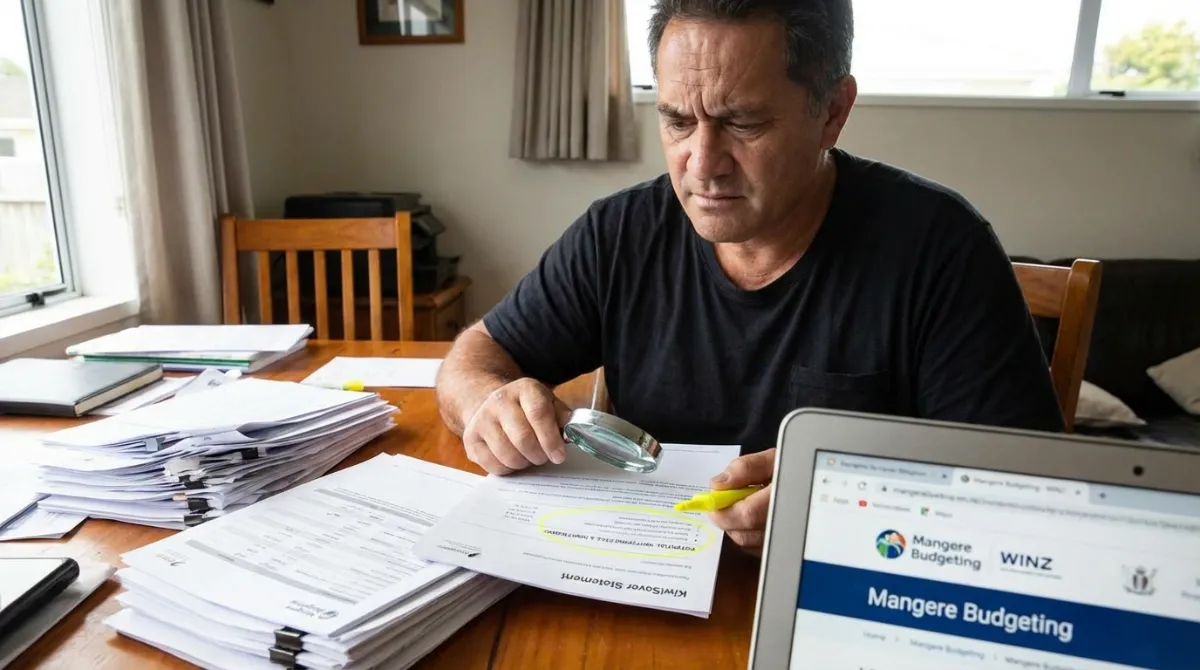
Tips for a Smooth Transition
To ensure a hassle-free experience when you change KiwiSaver provider, consider these practical tips:
- Review Your Risk Profile: Ensure your new fund truly matches your current risk tolerance and time horizon.
- Check All Fees: Scrutinize the fees of both your old and new provider. Don’t just look at management fees; check for administration, performance, and exit fees.
- Confirm Personal Details: Make sure your personal details, especially your IRD number, are up-to-date with both your current and new provider to avoid delays.
- Don’t Act on Impulse: A bad quarter or a single news story shouldn’t be the sole reason to switch. Make informed decisions based on long-term goals.
- Keep Records: Save copies of your application forms, correspondence, and statements from both providers.
- Understand the PDS: Always read the Product Disclosure Statement (PDS) of the new fund thoroughly before committing.
When is the Best Time to Switch?
There’s no single