
Bankruptcy & Insolvency Information
Navigating bankruptcy in NZ can be complex. Our comprehensive guide offers clear information on options, implications, and support, empowering South Auckland residents to rebuild financial resilience.

mangerebudgeting.org.nz
What You Will Learn
Navigating bankruptcy in NZ can be complex. Our comprehensive guide offers clear information on options, implications, and support, empowering South Auckland residents to rebuild financial resilience.
Facing overwhelming debt can feel like being lost in a storm, but in New Zealand, there are established pathways to financial relief and recovery. For individuals in South Auckland and beyond, understanding these options, particularly personal bankruptcy, is crucial for regaining control. This comprehensive bankruptcy NZ guide aims to demystify insolvency, outlining the processes, implications, and available support to help you make informed decisions and begin your journey towards financial resilience.
At Mangere Budgeting Services, we believe that knowledge is the first step towards empowerment. While bankruptcy is a serious measure, it’s often a necessary one, offering a fresh start when other solutions are no longer viable. We’ll explore the various insolvency options available, what happens when you declare bankruptcy, and how you can navigate the path to a brighter financial future.
Table of Contents
- Understanding Personal Bankruptcy in New Zealand
- The Process of Bankruptcy in NZ: A Step-by-Step Guide
- Implications and Consequences of Insolvency
- Seeking Support and Guidance for Severe Debt
- Life After Bankruptcy: Rebuilding Financial Resilience
- Frequently Asked Questions (FAQ)
- References and Further Reading
Understanding Personal Bankruptcy in New Zealand
Personal bankruptcy in New Zealand is a formal legal process for individuals unable to pay their debts. It provides a means for a debtor to be released from most debts, offering a fresh start. However, it comes with significant consequences that must be carefully considered. It’s administered by the Insolvency and Trustee Service (ITS), a government agency that oversees the Official Assignee (OA).
Alternatives to Formal Bankruptcy
Before considering bankruptcy, it’s essential to be aware of other formal insolvency options, each suited to different circumstances:
- No Asset Procedure (NAP): For individuals with minimal assets and unsecured debts between $1,000 and $50,000. It typically lasts one year, after which debts are cleared. This is a common and less restrictive option for many facing financial hardship.
- Summary Instalment Order (SIO): If you can afford to pay a portion of your debts over time, an SIO allows you to make regular payments to the Official Assignee, who then distributes them among your creditors. It’s suitable for debts up to $70,000 and typically lasts up to three years.
- Debt Repayment Order (DRO): Similar to an SIO but managed by a Court. It’s less common for individuals than NAPs or SIOs.
Choosing the right path requires careful evaluation of your financial situation, assets, and liabilities. Professional advice is invaluable in determining the best course of action for your unique circumstances.
The Reality of Personal Bankruptcy
Bankruptcy is the most severe form of personal insolvency. It’s typically for those with significant debts (over $50,000) and/or complex financial situations that other options can’t resolve. Once declared, an Official Assignee takes control of your assets, selling them to repay creditors. While it provides debt relief, it also imposes restrictions for a period, usually three years.

The Process of Bankruptcy in NZ: A Step-by-Step Guide
Navigating the legal process of bankruptcy can seem daunting. Here’s a simplified breakdown of what to expect if you’re exploring this option in New Zealand.
Step 1: Considering Your Options and Seeking Advice
- Self-Assessment: Honestly evaluate your debts, assets, income, and expenses. Are you truly unable to pay your debts as they fall due?
- Budgeting Services: Engage with organisations like Mangere Budgeting Services. We can help you understand your options, negotiate with creditors, and prepare for formal insolvency if necessary.
- Legal Advice: For complex situations, consulting a lawyer specialising in insolvency can provide tailored guidance.
Step 2: Applying for Bankruptcy
You can apply for bankruptcy voluntarily (known as a debtor’s petition) or a creditor can apply to the High Court to have you declared bankrupt (creditor’s petition). The voluntary process involves completing an online application form with the Insolvency and Trustee Service, detailing all your financial information.
Step 3: The Official Assignee Takes Over
Once you are declared bankrupt, the Official Assignee (OA) takes control of your financial affairs. Their role is to:
- Realise (sell) your assets to pay your creditors.
- Investigate your financial history and the causes of your bankruptcy.
- Work with you to manage your finances during the bankruptcy period.
Step 4: Managing Your Affairs During Bankruptcy
During bankruptcy, certain restrictions apply. You must:
- Cooperate fully with the Official Assignee.
- Not incur new debts without informing the lender of your bankruptcy status.
- Seek permission from the OA for overseas travel.
- Potentially make contributions from your income if it exceeds living expenses.
Step 5: Discharge from Bankruptcy
In most cases, you are automatically discharged from bankruptcy three years from the date it began. This means you are released from most debts incurred before bankruptcy, and the restrictions are lifted. However, the bankruptcy remains on your credit record for a period.
Implications and Consequences of Insolvency
While bankruptcy offers a route to debt relief, it’s vital to understand its long-term implications:
- Asset Realisation: Most of your assets (e.g., house, car, investments) may be sold to repay creditors. Some essential items are protected.
- Credit Rating: Bankruptcy severely impacts your credit rating, making it difficult to get loans, mortgages, or credit cards for many years.
- Employment and Professional Restrictions: Certain professions (e.g., company director, lawyer, real estate agent) have restrictions for bankrupt individuals.
- Travel Restrictions: You generally need the Official Assignee’s permission to travel overseas.
- Public Record: Your bankruptcy is a matter of public record, appearing on the Insolvency Register.
In New Zealand, while the number of personal bankruptcies has trended downwards in recent years, approximately 2,000 individuals still enter formal insolvency arrangements annually. This highlights that it remains a necessary solution for many.
Seeking Support and Guidance for Severe Debt
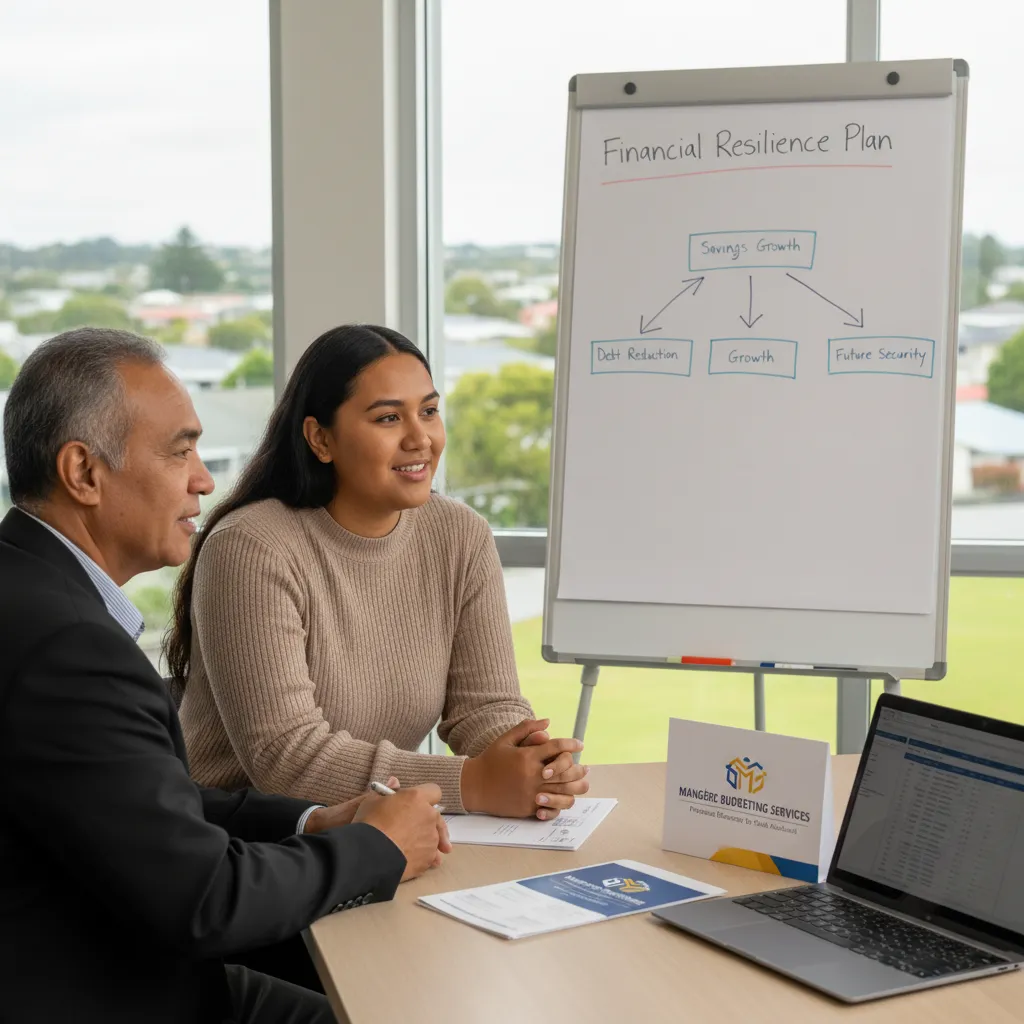
You don’t have to face severe debt alone. Organisations like Mangere Budgeting Services offer crucial support for individuals and families in South Auckland experiencing financial hardship. Our services include:
- Budgeting Advice: Helping you manage your income and expenses effectively.
- Debt Management Plans: Assisting with negotiations with creditors to set up manageable repayment plans.
- Insolvency Information: Providing clear, unbiased information on bankruptcy, NAPs, and SIOs, and guiding you through the application process.
- Advocacy: Acting on your behalf with creditors or government agencies.
Early intervention is key. The sooner you seek help, the more options you’ll likely have to avoid the most severe consequences of debt. Our approachable experts are here to provide confidential, non-judgmental support, focusing on sustainable financial solutions.
Life After Bankruptcy: Rebuilding Financial Resilience
Bankruptcy is not the end of your financial journey; it’s often a crucial turning point. Once discharged, the focus shifts to rebuilding your financial resilience:
- Budgeting & Savings: Continue to practice good budgeting habits and build an emergency savings fund.
- Credit Rebuilding: Start with small, manageable credit accounts (e.g., a secured credit card) and make all payments on time to slowly improve your credit score.
- Financial Education: Keep learning about personal finance, investing, and debt management to prevent future issues.
- Future Planning: Set new financial goals and work steadily towards them.
Mangere Budgeting Services is committed to supporting our community through every stage of financial challenge and recovery. We provide the tools and knowledge needed to not just survive, but to thrive financially.

Frequently Asked Questions (FAQ)
What is the main difference between a No Asset Procedure (NAP) and bankruptcy in NZ?
A No Asset Procedure (NAP) is for individuals with minimal assets and debts between $1,000 and $50,000. It typically lasts one year. Bankruptcy is for higher debt levels (over $50,000) or more complex situations and usually lasts three years, with greater restrictions and asset realisation by the Official Assignee.
How long does bankruptcy stay on my credit record in New Zealand?
In New Zealand, a record of your bankruptcy remains on your credit file for seven years after you are discharged. While the restrictions of bankruptcy usually last three years, the credit reporting impact is longer.
Can I travel overseas if I am bankrupt in NZ?
During the period of bankruptcy (usually three years), you generally need to obtain permission from the Official Assignee (OA) before travelling overseas. Failure to do so can result in serious consequences.
What assets are protected during bankruptcy in New Zealand?
Certain essential assets are generally protected, including basic household furniture and effects, tools of trade up to a certain value, and a modest vehicle. The Official Assignee determines what is considered essential on a case-by-case basis.
Can I be a company director after being bankrupt in NZ?
No, you are generally prohibited from being a director or promoter of a company, or from being involved in its management, while you are an undischarged bankrupt. This restriction usually lifts upon discharge.